


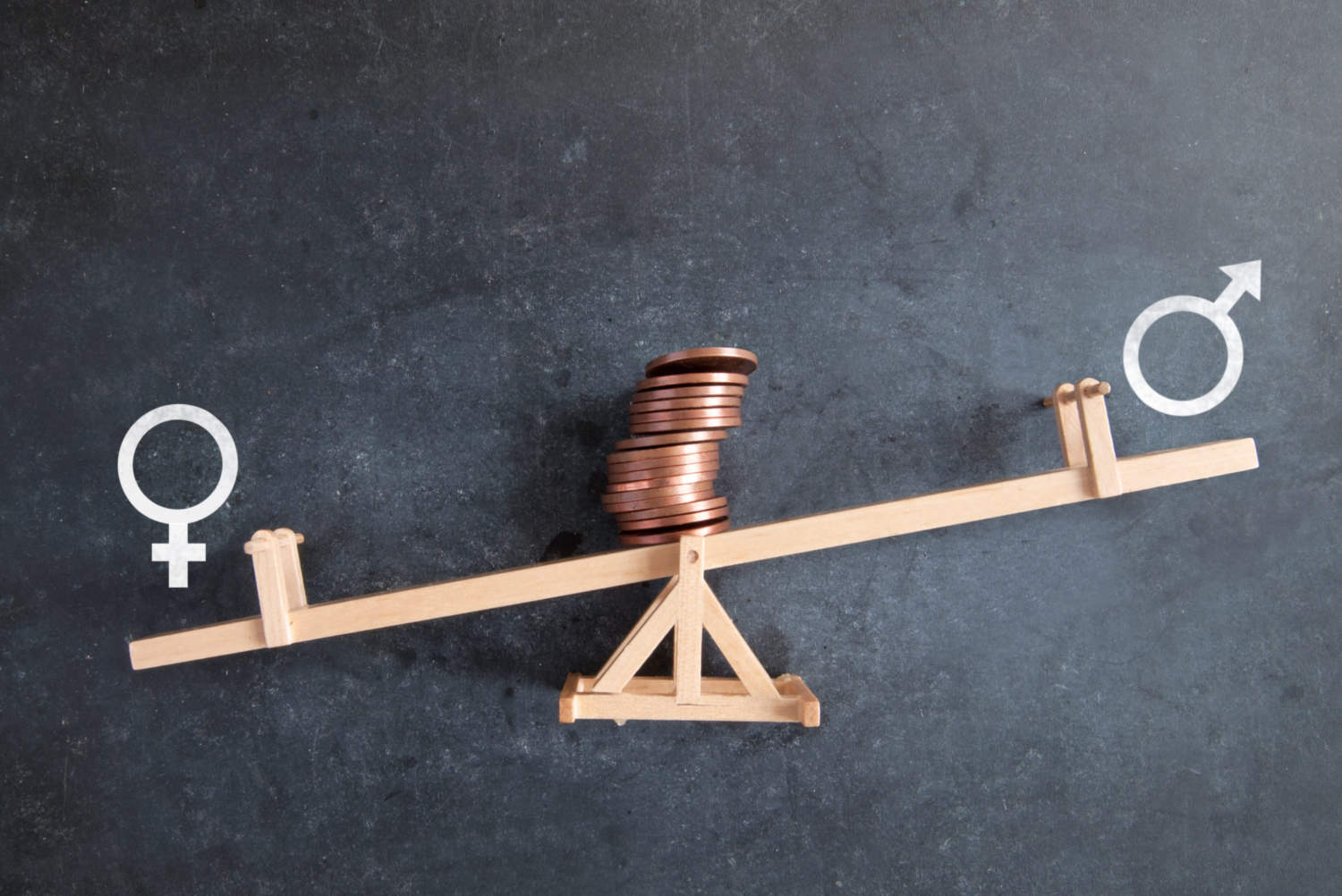
Cyprus came last among the 27 EU member states in the European Institute for Gender Equality’s (EIGE) 2026 Gender Equality Index, published on Tuesday, with its score down 0.9 points on 2025.
The Office of the Commissioner for Gender Equality said the main reason for Cyprus’s low ranking was its particularly poor performance in the domain of power, where women are significantly under-represented in leadership positions across all areas of activity.
Women hold far fewer seats than men in the House of Representatives, where the gender gap stands at 72 per cent (2025), and in local government, where it is 58 per cent.
The gap is 66 per cent in the cabinet, which under EIGE’s methodology excludes deputy ministers, and 80 per cent on the boards of the largest listed companies.
It reaches 82 per cent in the top decision-making bodies of the national federations for the ten most popular Olympic sports.
Despite its last-place ranking, Cyprus’s score has risen by 2.9 points overall since 2020.
The index measures equality between women and men in six domains: work, money, knowledge, time, power and health. It is based mostly on 2025 data from Eurostat, the EU’s statistics agency, and from EIGE itself. For the second year running, the assessment used EIGE’s revised methodology, which measures the gaps between women and men in each domain rather than each country’s absolute performance.
Cyprus performed best in health. Its biggest challenges were in power, knowledge and time.
In the time domain, the index records a 38 per cent gap in how care and household responsibilities are shared, with 62 per cent of women doing housework every day, compared with 24 per cent of men (2024).
The figures also show positives. The share of women who complete tertiary education is 75 per cent, the highest in the EU, against 57 per cent of men, a gap of 18 per cent. However, this is not reflected in women’s careers or their representation in positions of responsibility, with a gap of 48 per cent in managerial roles.
The commissioner’s office said women’s limited presence in centres of power had a decisive effect on the overall assessment and showed the need to step up efforts to ensure their full and equal participation in decision-making.
The office said it was studying the findings of international assessments to identify gaps and plan its next steps. A new National Strategy for Gender Equality 2027-2029 is in its final stage of drafting, and once in place it will provide the framework for strengthening public policies in cooperation with ministries, deputy ministries, social partners and civil society, the office said.
The aim remains “substantive equality, with equal opportunities, rights and participation for all”, it said.
Other international assessments measure different aspects of gender equality. In the World Economic Forum’s (WEF) Global Gender Gap Index 2026, published in September, Cyprus rose from 82nd out of 148 countries in 2025 to 78th out of 145.
(information from the Cyprus News Agency)

