


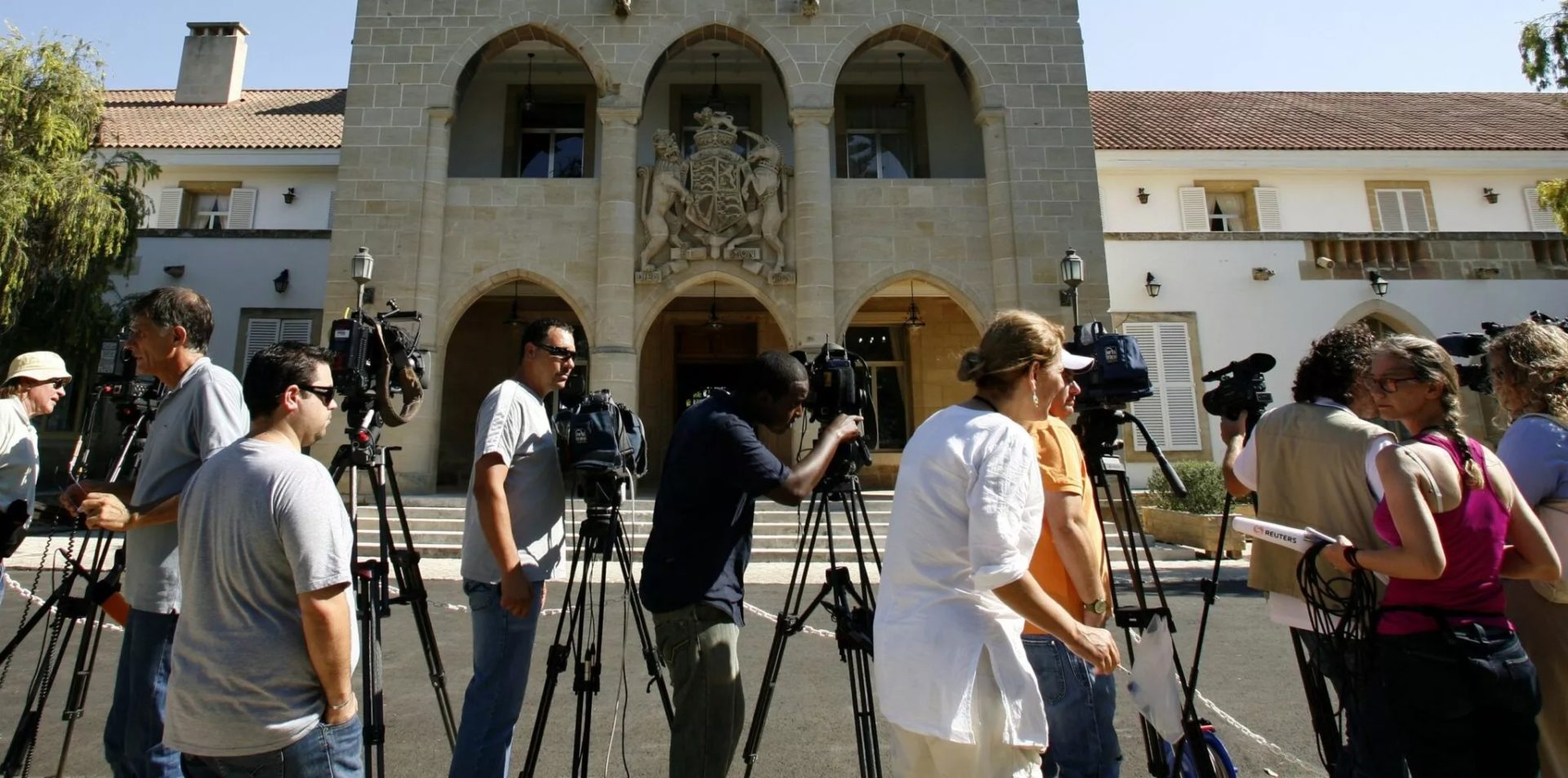
The Cyprus Union of Journalists (ESK) is asking the House Interior Committee to launch an immediate inquiry into the government’s attempt to make a state body the sole authority for issuing journalist accreditation during Cyprus’s EU Council Presidency.
The ESK Board said the Ministry of Interior was persisting in its position that the Press and Information Office (PIO) should be the exclusive arbiter of journalist status for the Presidency — a stance the union said amounted to a direct threat to press freedom. The ESK’s own press card has been issued without interruption and recognised internationally since 1959.
“The invocation of this law simply demonstrates the state’s problematic handling of media issues for nearly 40 years — it is an inactive law dating from 1990, with provisions that are now outdated and unenforceable,” the ESK Board said in its statement on Monday.
The union set out three issues it wants the committee to examine.
First, it challenged the legal basis for the government’s position. The Ministry has been citing a 1989 law that has been inactive since 1990 and makes no provision for television, radio or online journalists. Under that law, press cards should be issued not by the state but by an independent Press Council — a body that has never been established.
Second, the ESK pointed to Cyprus’s European obligations. The government had signed Council of Europe Recommendation 2016/4, which explicitly recognises union-issued press cards as valid credentials, yet was refusing to apply it.
Third, the union warned that any attempt to impose state certification for coverage of European institutions was in conflict with the European Media Freedom Act (EMFA).
The European Federation of Journalists (EFJ) has already written to the Ministry of Interior, warning that issuing press cards through a government body violates European legal standards. The EFJ said the matter could be referred to the European Board for Media Services (EBMS) and did not rule out taking the issue directly to the European Commission and the Council of Europe.
The ESK was clear about what it was and was not asking for. “We are not asking for privileges. We are asking for respect for our autonomy,” the Board said, calling on all political parties to take a position and back its request for transparency, legality and respect for the independence of the journalism profession.
Read more:

