


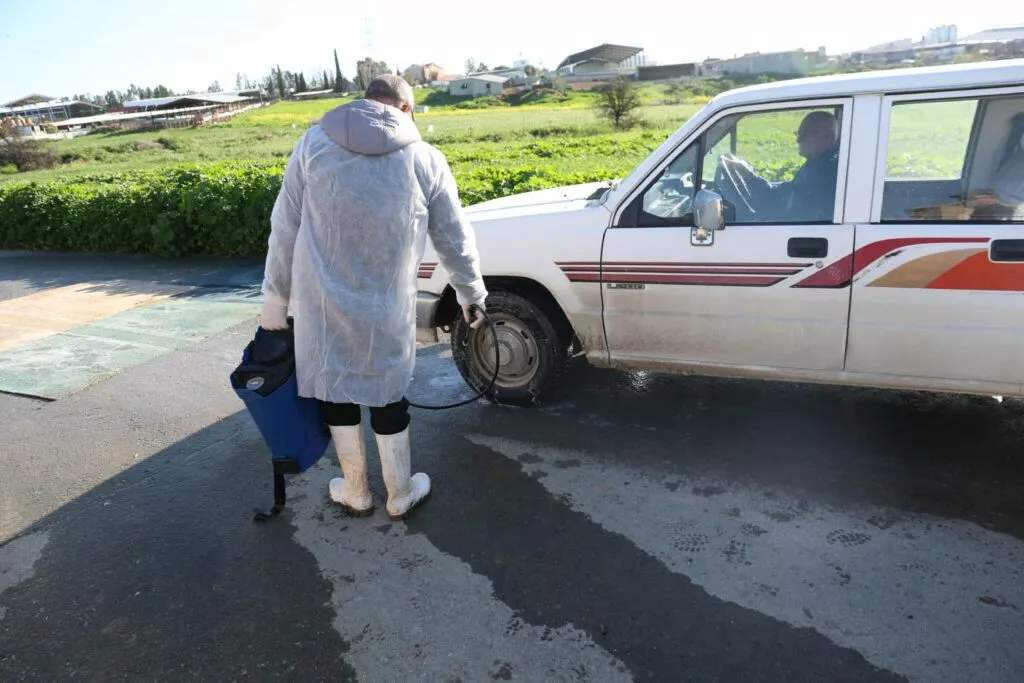
Cyprus is culling thousands of animals and racing to roll out an emergency vaccination campaign as authorities scramble to contain a foot-and-mouth disease outbreak, with 529,000 EU doses expected to arrive within days.
Around 13,100 animals are caught up in the crisis, though officials say the number is fluctuating. Culling has already been completed at a farm in Livadia, where 263 cattle were slaughtered, and operations have now moved to units in Oroklini where further positive cases were found. Burial sites are already open.
An emergency meeting at the Crisis Management Centre “Zinon” agreed to begin vaccinations immediately within a three-kilometre zone inside the surveillance area, with European experts involved in the decision. Private veterinarians have been drafted in to support the campaign.
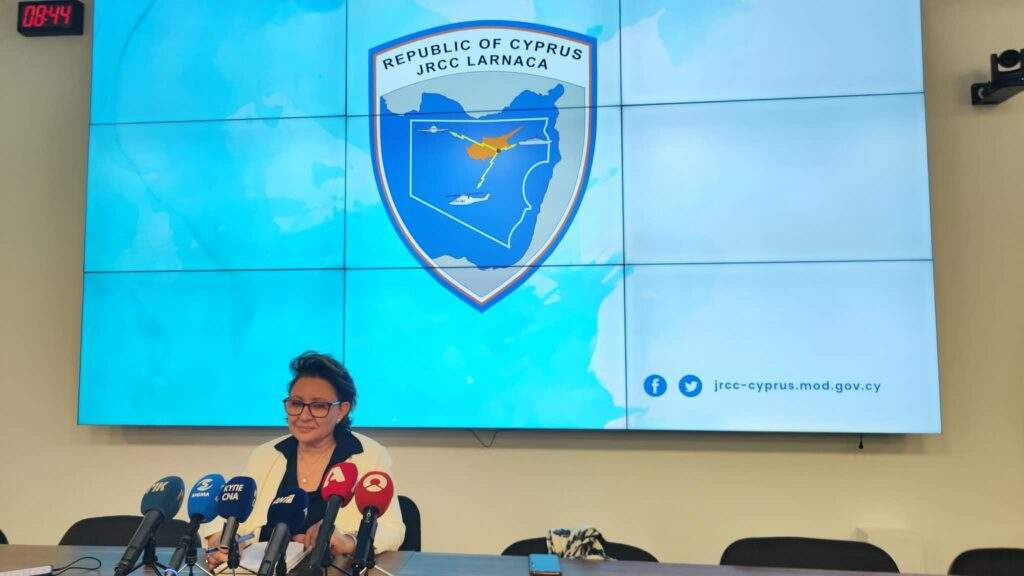
While the full EU consignment is on its way, 10,000 doses are being delivered on Wednesday from the occupied north — vaccines that Cyprus had originally supplied to the north and which are now being returned for immediate use. The serotype is SAT 1, matching that identified in the north, and samples have been sent to the EU’s reference laboratory for further genetic analysis.
Soteria Georgiadou, press spokesperson for the Veterinary Services, said no new cases had emerged from samples currently being tested. The Agriculture Minister is meeting all parties involved later on Wednesday to discuss support measures.
On the timeline of the response, Georgiadou said a farmer reported the first case on the 19th of the month, results came back on the 20th, the European Commission was contacted on the 21st and 22nd, and the Minister spoke to Brussels on the 23rd to secure rapid delivery. She explained that foot-and-mouth vaccines cannot be stockpiled — they must be ordered from the manufacturer once the specific virus and serotype are identified. “They are produced and arrive fresh,” she said.
Halloumi exports have been secured, Georgiadou confirmed. For other products, she said authorities were “awaiting reactions.”
Once vaccinated, animals need approximately five to ten days to develop antibodies. Units where culling takes place face disinfection and cleaning for at least one to two months before being reinspected to determine whether they can house animals again.
Responding to complaints from farmers about inadequate communication, Georgiadou said livestock owners had been notified by leaflet and SMS when the outbreak was first detected in the occupied areas, had been called to the Veterinary Services two or three times, and that seminars had also been held.
Read more:

