


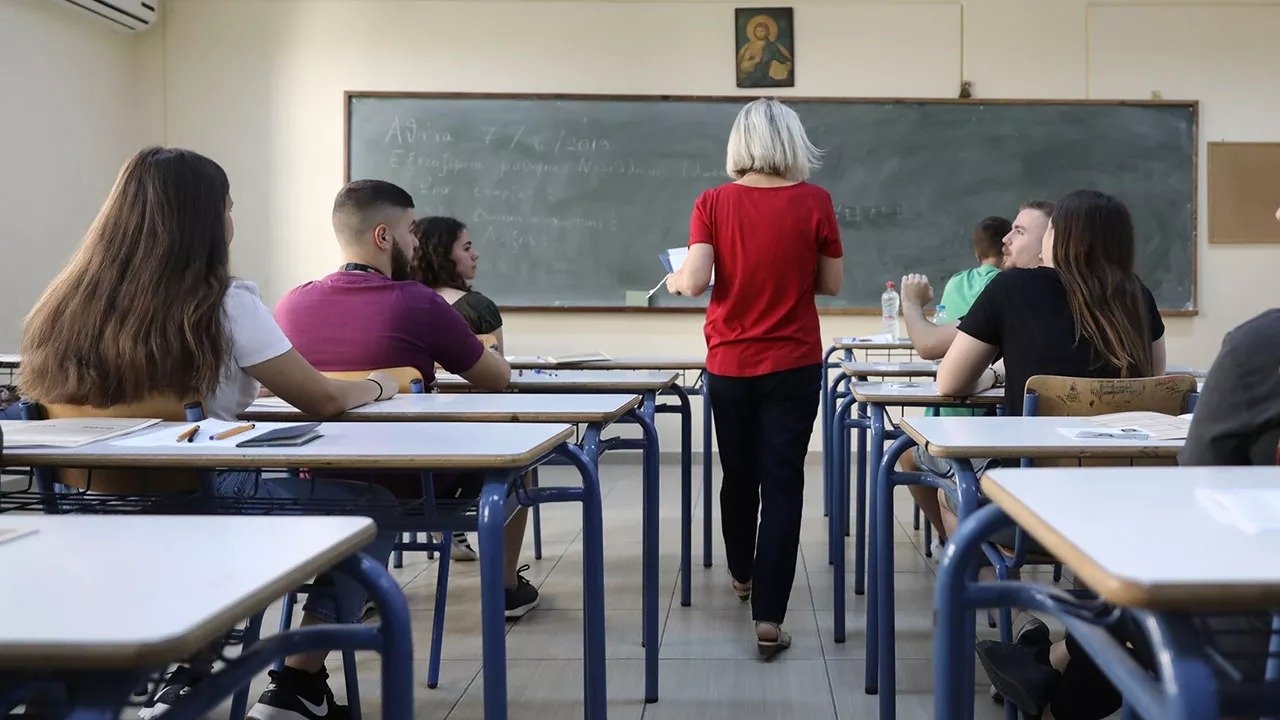
Cyprus may soon face a shortage of teachers as the profession loses its traditional appeal, according to the general secretary of the primary school teachers’ union POED.
Haris Charalambous said young people are no longer interested in pursuing teaching careers, whilst even newly qualified teachers are leaving the profession early.
The teaching profession has historically been highly attractive in Cyprus, with thousands of prospective students ranking it among their top choices.
In the past, appointments were relatively quick, particularly in primary education, though this has changed in recent years. Clear leave entitlements and good salaries, confirmed by European surveys, made the profession even more desirable.
However, Cyprus already faces serious problems replacing teachers in primary education and staffing all-day optional schools, according to Charalambous. Management positions also remain understaffed, with many posts going unclaimed.
“With mathematical certainty, if proper and practical solutions are not found and the necessary financial resources from the state, in coming years we will face much more serious problems with adequate staffing of public schools,” Charalambous said in an article.
He cited several main reasons for the trend:
Discipline problems stemming from aggressive and deviant behaviour among children, even at young ages, have increased in recent years.
There has been a huge rise in pupils placed in special education, something that should seriously concern the health ministry as well.
Serious social problems affecting society inevitably transfer into public schools, which reflect society in miniature. There is unfortunately a general perception that all problems originate in schools and a sense that public schools are responsible for solving all of society’s problems.
Teachers face a massive increase in workplace stress and are called upon to work without substantial support. Beyond their difficult educational work, teachers are often required to function as parents, psychologists and social workers.
They face daily threats whilst performing their duties through complaints, intimidation and interference from individual parents, experiencing unprecedented devaluation. Political figures, some media outlets and social media have at times undermined teachers’ prestige.
“This unacceptable situation causes irreparable damage and fuels rising juvenile delinquency and teacher devaluation, resulting in reduced learning outcomes,” Charalambous said.

