


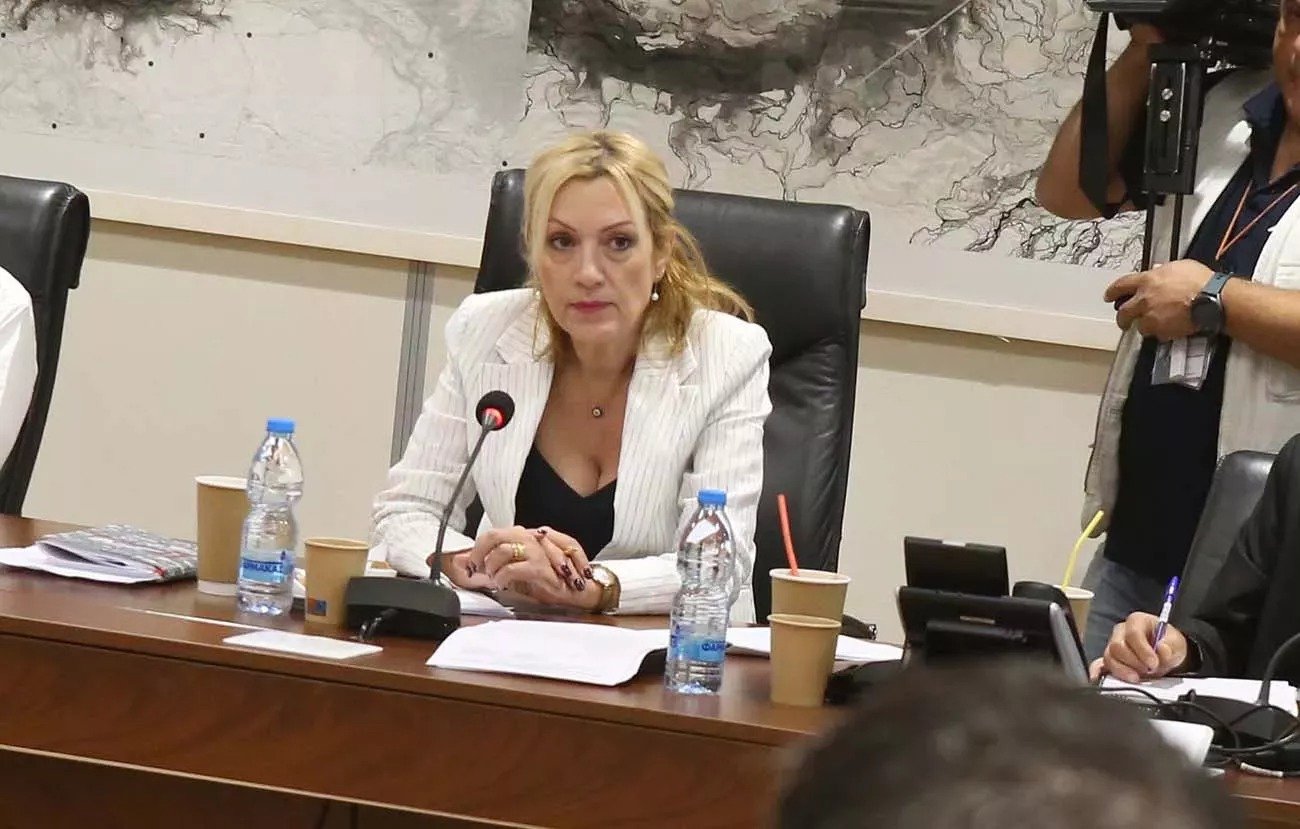
The Parliament has put on hold a bill providing for medical assistance in dying after a parliamentary committee decided to prioritise palliative care legislation, following intense debate that highlighted divisions between political parties and stakeholder groups.
The Human Rights Committee chair, Irene Charalambidou, announced the decision to delay the assisted dying proposal until after January 2026, reversing her earlier pledge to bring it to parliament even if it received only her single vote.
The committee session on Monday saw heated exchanges between MPs and representatives from medical, patient and religious organisations over questions of dignity in life and death, spiritual considerations and human rights.
DISY and DIKO parties opposed the bill, which is signed only by Charalambidou and not by her AKEL party. Patient organisations, doctors and the National Bioethics Committee advocated for establishing palliative care services first, followed by proper dialogue on medical assistance in dying.
The Law Office and Cyprus Bar Association emphasised that human rights charters guarantee the right to life, not death.
They cited the European Court of Human Rights, which gave states discretion on the matter, describing any decision to establish medical assistance in dying as “purely political”.
The Health Ministry also opposes the bill, with Minister Michalis Damianos writing to parliament describing the proposal as “premature and socially unbalanced”, particularly when conditions for dignified living have not yet been secured.
He referenced two government bills addressing palliative care and home healthcare.
The proposed legislation would allow medical assistance in dying only for patients with terminal diagnoses where no survival prospects exist, primarily targeting cancer patients.
Key provisions include requirements that only competent adults can decide for themselves, with mandatory terminal diagnosis confirmation by medical boards and psychological evaluation to exclude factors like depression. No healthcare professional would be obliged to participate.
DISY MP Rita Superman opposed the bill, arguing the state must first address the absence of pain relief structures and services. “Cyprus lacks these services and we cannot discuss anything else until this major gap is filled,” she said.
Her comments prompted a sharp exchange with Charalambidou, who noted that DISY had failed to address palliative care gaps during its decade in government.
DIKO’s Christos Senekis questioned polling data cited by Charalambidou showing six in 10 citizens support euthanasia, arguing responses would differ between young people distant from death and older or sick respondents.
AKEL MP Georgios Koukoumas said his party had not finalised its position pending internal discussions.
MP Alexandra Attalides strongly supported the proposal, engaging in heated exchanges with opposing stakeholders.
The Cyprus Medical Association and Federation of Patient Associations of Cyprus (CyFPA/OSAK) took similar positions, with doctor Michalis Anastasiades saying medical professionals prioritise proper palliative care services and pain relief for all patients.
Currently, Cyprus provides palliative care only to cancer patients through voluntary organisations.
Marios Kouloumas, honorary president of OSAK, criticised comparisons with other countries, noting England had a health system since 1947, comprehensive palliative care since 1967, and thousands of facilities before considering euthanasia. “We have nothing and started discussing medical assistance in dying,” he said.
The National Bioethics Committee, while not rejecting assisted dying rights, said legislation supporting patient and family care should come first before considering medical assistance in dying terms and conditions.
Representing the Movement for Euthanasia, journalist Giorgos Pavlidis argued that “loss of dignity is the worst thing that can happen to a person”, describing assisted dignified departure as applying only to cases of painful endings and questioning why dignity rights are debated when every person has the right to manage their body.

