


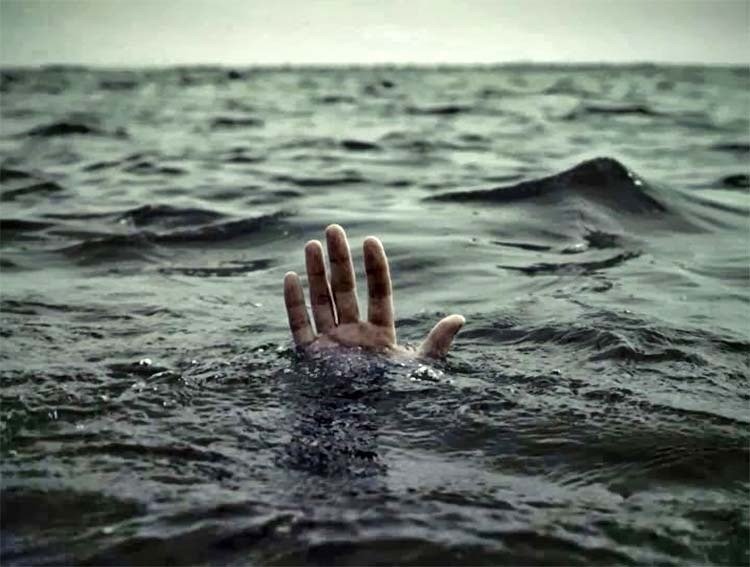
A total of 48 people have lost their lives at sea over the past five years across 471 incidents handled by lifeguards, though Interior Minister Konstantinos Ioannou clarifies these deaths were not necessarily due to drowning, as some cases were attributed to medical causes.
The minister provided the statistics whilst responding to questions from DISY Famagusta MP Nikos Georgiou.
182 organised beaches, 91 operational lifeguard towers
Based on data from the Central Beach Committee, the number of organised beaches Cyprus-wide stands at 182, but currently 91 lifeguard towers are staffed across the island, distributed as follows:
- Paphos district: 30
- Famagusta district: 31
- Limassol district: 17
- Larnaca district: 8
- Nicosia district: 5
In Nicosia’s case, lifeguards cover swimming pools. The minister noted that some beaches operate more than one tower depending on their size and visitor numbers.
Staffing challenges persist
The total number of permanent lifeguards employed reaches 107. Additionally, 270 seasonal hourly lifeguard positions have been approved by the Finance Ministry for 2025, distributed as:
- 1 eleven-month position
- 117 eight-month positions
- 74 six-month positions
- 43 four-month positions
- 35 three-month positions
However, not all seasonal positions could be filled for 2025. Despite approved hourly lifeguard positions, staffing shortages persist, particularly in Paphos and Limassol districts, primarily due to limited availability and reduced interest from suitably trained lifeguards, especially during peak months.
Priority-based deployment
These shortages do not affect specific beaches, as lifeguard placement follows priority programmes based on visitor numbers, Blue Flag status, danger levels, geographical location and other relevant parameters.
Lifeguard coverage hours range between 6:30am and 8:00pm, varying by beach according to needs and staffing capabilities. Touristically developed beaches or high-risk areas typically receive extended coverage duration.
Read more:

