


Cypriot viticulture is facing one of its most critical turning points, with data from the last four years pointing to a dramatic situation. A combination of prolonged drought, heatwaves, and a widespread outbreak of downy mildew has severely damaged the sector, causing a drastic contraction in production, a deadlock for wineries, and deep concern for the future of the island’s wine industry.
According to Giorgos Neophytou, head of the Viticulture and Oenology Branch at the Department of Agriculture, the average intake of grapes by wineries for the 2016–2025 decade stood at 14.5 million kilos. Department data and recent experience show that satisfactory annual quantities to cover market needs and inventory management range between 13 million and 16 million kilos. In 2022, production surged to 22 million kilos, requiring emergency state aid to manage surpluses.

However, the previous three years (2023, 2024, and 2025) recorded a steady drop in intake below the average, with 10.2 million, 11.1 million, and 12.3 million kilos respectively. Estimates for the current harvest point to extremely low levels, similar to 2023 and 2024.
Neophytou noted that heavy investments in viticulture have grown the industry from four major wineries in the 1980s to 70 wineries today, adding that the quality of Cypriot wines is no longer questioned by anyone. Meanwhile, registered vineyard acreage stands at 65,000 stremmas, though a gradual decline has been undeniable since Cyprus joined the European Union.
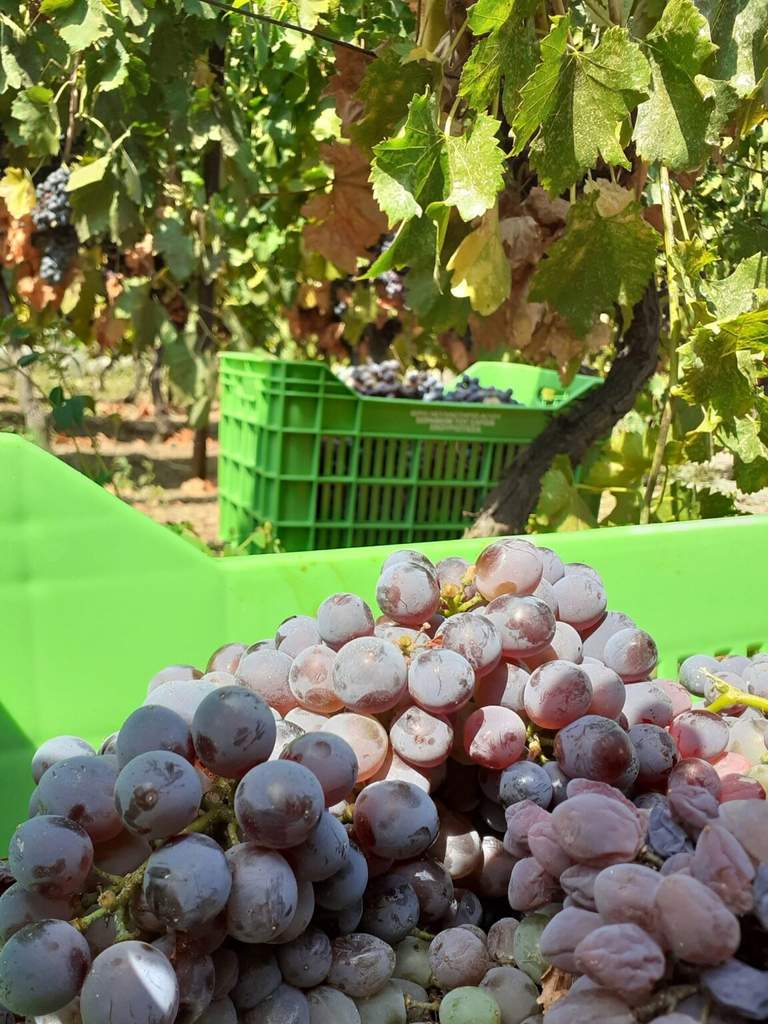
Neophytou stated that local wine captures the largest share of the domestic market, noting that 60% of wine sold in Cyprus is locally produced as people prioritize quality and native varieties. Beyond supply and demand, socio-economic factors such as an aging rural population, youth shifting to other careers, strenuous physical labor, and meager, uncertain incomes affect the sector.
Executives from major wineries LOEL and KEO described the current situation in grim terms, noting that downy mildew in the vineyards of Paphos and Limassol dealt a final blow that completely wiped out production in some areas. As a result, wineries are limited for a fourth consecutive year to intakes that do not exceed 50% of their actual needs. Companies warned of skyrocketing production costs and potential layoffs due to scaled-back operations without support measures.
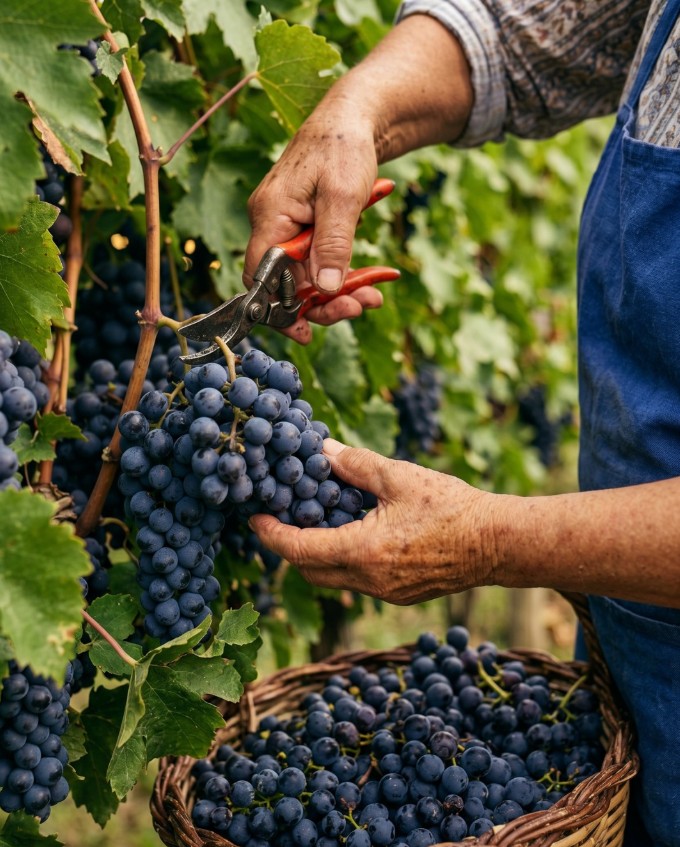
Agriculture, Rural Development, and Environment Minister Costas Kadis emphasized that supporting the wine sector remains a firm government priority, with around €22 million allocated through Common Agricultural Policy (CAP 2023–2027) interventions by 2027. To address losses from downy mildew and extreme weather, the National Framework for state aid covers crops with production losses exceeding 50%, complemented by a de minimis aid scheme for losses exceeding 30% in additional varieties.
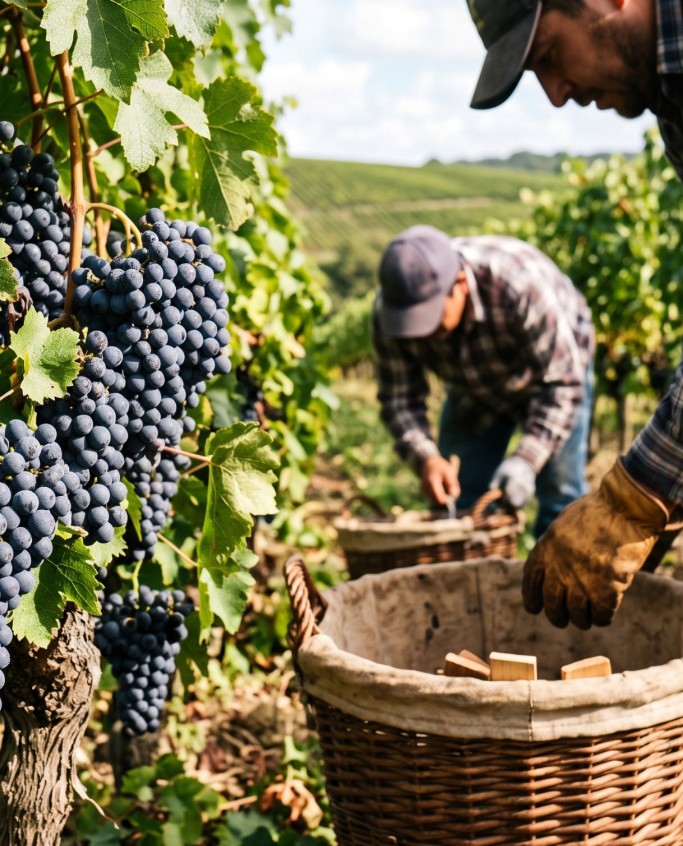
The Department of Agriculture declared affected areas in Paphos (61 communities for Mavro, Xynisteri, Maratheftiko, and Vasilissa) and Larnaca (6 communities) under the National Framework, while a supplementary de minimis scheme covers five additional varieties in Paphos and a compact area of 2,500 stremmas in Omodos and semi-mountainous Limassol. Damage declarations close on September 21, 2026, and financial aid disbursement to affected winegrowers is scheduled to finish before the end of 2026.

