


A classified US intelligence assessment has concluded that Donald Trump’s strikes on Iran’s nuclear facilities over the weekend did not destroy two of the sites and likely only set back the nuclear programme by a few months, according to two people familiar with the report.
The Defence Intelligence Agency report found that key components of the nuclear programme, including centrifuges, were capable of being restarted within months.
Much of Iran’s stockpile of highly enriched uranium that could be used for a possible nuclear weapon was moved before the strikes and may have been relocated to other secret nuclear sites, the assessment concluded.
The findings, based on a preliminary battle damage assessment conducted by US Central Command, suggest Trump’s declaration about the sites being “obliterated” may have been overstated.
Trump’s claims disputed
Trump said in his televised address on Saturday night that the US had completely destroyed Iran’s enrichment sites at Natanz and Fordow, and at Isfahan where enrichment was being stored.
“The strikes were a spectacular military success. Iran’s key nuclear enrichment facilities have been completely and totally obliterated. Iran, the bully of the Middle East, must now make peace,” Trump said from the White House.
However, the DIA report suggests that if intelligence on the ground was already finding within days that Fordow in particular was not destroyed, later assessments could indicate even less damage was inflicted.
Fordow facility challenges
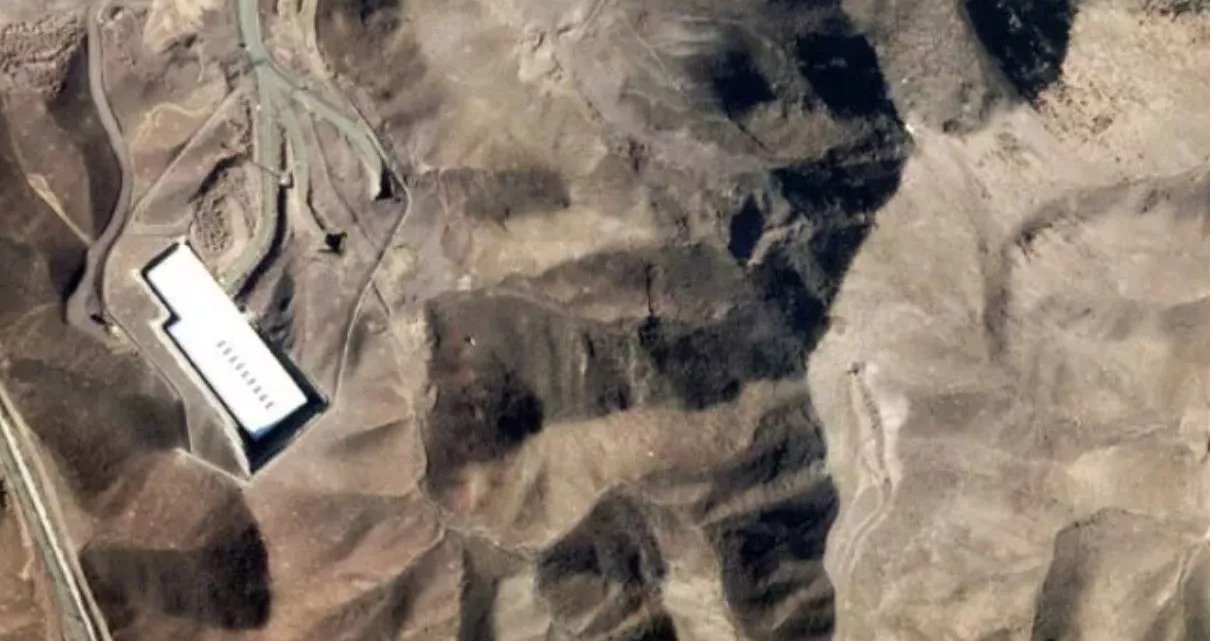
The uranium-enrichment facilities at Fordow are buried beneath the Zagros mountains and are regarded as the most well-protected of Iran’s nuclear sites. Reports suggest the site was constructed beneath 45-90 metres of bedrock, largely limestone and dolomite.
The Guardian revealed last week that Pentagon officials had been briefed at the start of Trump’s second term that the 30,000lb “bunker buster” GBU-57 bombs intended for use on Fordow would not completely destroy the facility. Officials were told the bombs would not penetrate deep enough underground and only a tactical nuclear weapon would eliminate Fordow.
Official responses
Media coverage of the assessment appeared to anger Trump, who posted on Tuesday evening: “THE NUCLEAR SITES IN IRAN ARE COMPLETELY DESTROYED!”
The White House disputed the intelligence assessment. “The leaking of this alleged assessment is a clear attempt to demean President Trump, and discredit the brave fighter pilots who conducted a perfectly executed mission to obliterate Iran’s nuclear program,” White House press secretary Karoline Leavitt said.
US Vice-President JD Vance admitted on Sunday that Washington did not know where Iran’s stockpile of highly enriched uranium was, saying: “we are going to work in the coming weeks to ensure that we do something with that fuel”.
International oversight concerns
Rafael Grossi, director general of the International Atomic Energy Agency, said on Monday that the IAEA could no longer account for Iran’s stockpile of 400kg of uranium enriched to 60% purity.
The strikes involved B2 bombers dropping 12 GBU-57s on Fordow and two on Natanz, whilst a US navy submarine launched roughly 30 Tomahawk missiles on Isfahan, defence officials said.
Defence Secretary Pete Hegseth repeated Trump’s claim that the sites had been “obliterated”, but General Dan Caine, chair of the joint chiefs of staff, was more measured, saying all three nuclear sites had “sustained severe damage and destruction” but cautioning that the final battle-damage assessment was still to come.
(information from The Guardian)

