


Britain has agreed a post-Brexit “reset” deal with the European Union that will allow UK travellers to use e-gates at more European airports and extend EU fishing access to British waters until 2038.
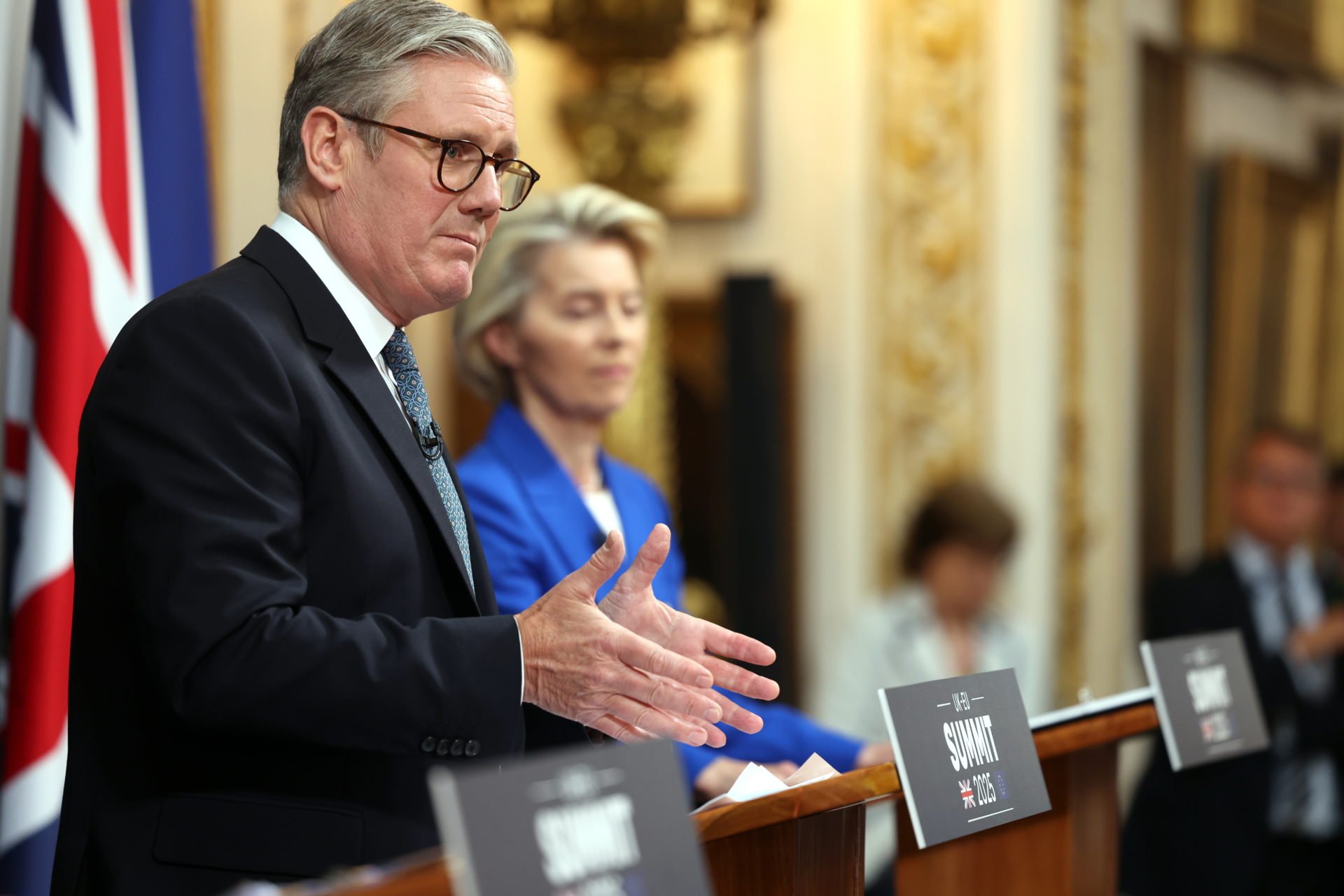
On Monday, British Prime Minister Sir Keir Starmer opened the first UK-EU summit in London since Brexit, describing the accord as a new strategic partnership that would deliver “real, tangible benefits” across multiple sectors.
“We are agreeing a new strategic partnership fit for our times, providing real tangible benefits on security, irregular migration, energy prices, agrifood, trade and more, bringing down bills, creating jobs and protecting our borders,” Starmer said.
Travel
The deal includes provisions allowing British passport holders access to automated e-gates usually reserved for EU travellers at more European airports, potentially reducing queue times at border control.
“British holidaymakers will be able to use more e-gates in Europe, ending the dreaded queues at border control,” the British government said after the “post-Brexit reset deal” was agreed.
Currently, British passports can only use e-gates at select airports in Spain and Portugal.
Pet travel will also become easier with the elimination of animal health certificates for cats and dogs travelling from Britain to the EU, according to the government statement.
Fishing agreement
A 12-year fishing agreement extending EU vessel access to UK waters until 2038 forms a significant part of the deal. The current agreement was set to expire in June 2026. The government said there would be no reduction in British fishing quotas or increase in EU catch allowances, with coastal communities receiving an additional £360 million in investment.
The fishing agreement has drawn criticism from opposition parties and industry representatives. Scottish Fishermen’s Federation Chief Executive Elspeth Macdonald called the deal “a horror show for Scottish fishermen, far worse than Boris Johnson’s botched Brexit agreement.”
Conservative Party leader Kemi Badenoch said the agreement was “very concerning,” claiming Britain was “becoming a rule-taker from Brussels once again.”
Health and safety
The deal also includes a sanitary and phytosanitary (SPS) agreement aligning Britain with EU animal and plant regulations in exchange for reduced border checks, which was welcomed by Salmon Scotland as a move that would “slash red tape” for exporters.
Youth mobility, education
Both sides have agreed to work towards a “balanced youth experience” scheme allowing young people to work, study, volunteer or travel between Britain and EU countries for limited periods. YouGov polling suggests 68% of Britons support giving young people the right to live, work or study in the EU for up to four years.
Security and defence
A security and defence partnership will enable British arms firms to bid for work under the EU’s proposed £150 billion Security Action for Europe (SAFE) defence fund, which the government says will support thousands of British jobs.
Read more:

