


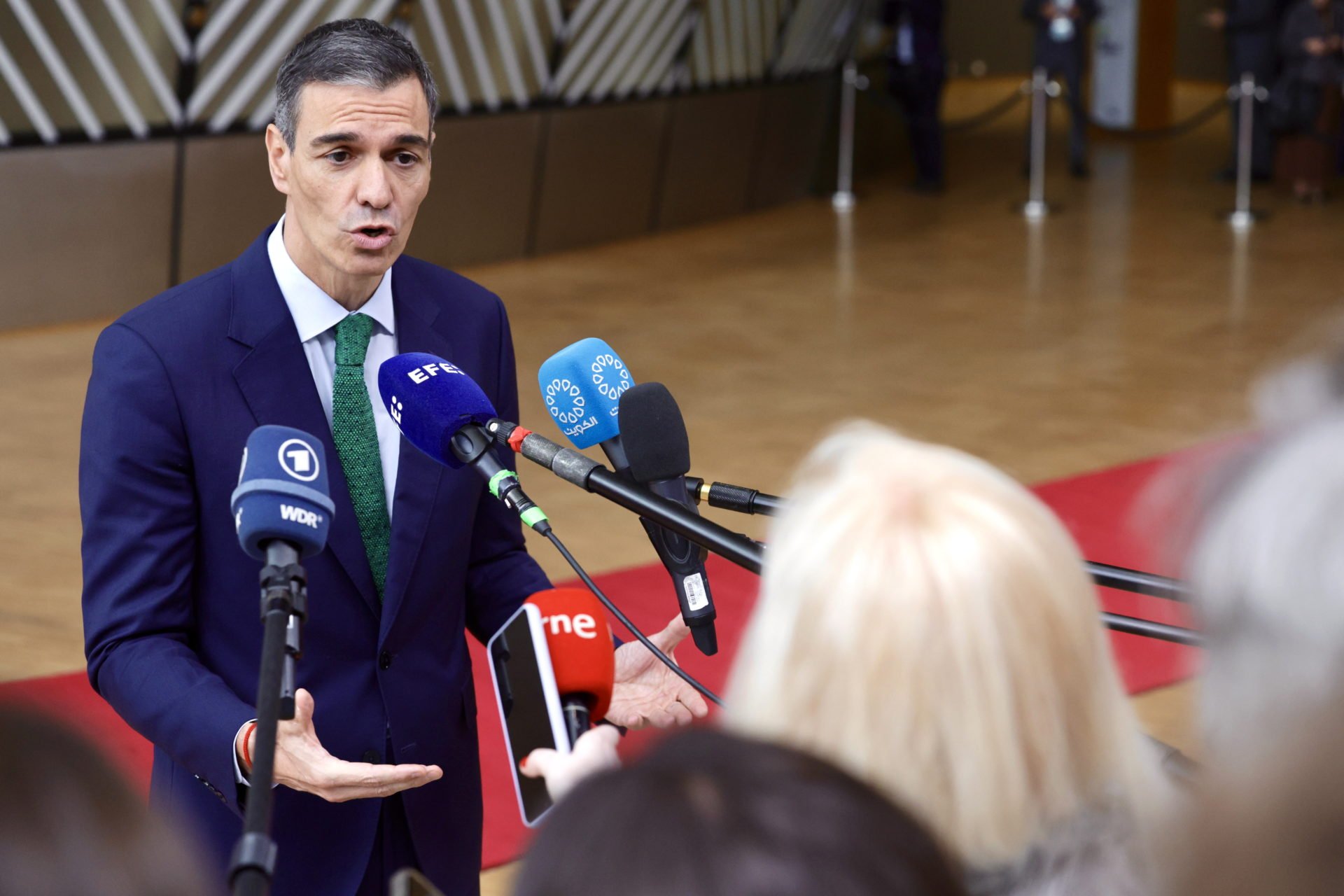
Pedro Sánchez has spent much of his political career surviving crises that appeared capable of ending his premiership. Now, Spain’s housing emergency has become the latest and perhaps most consequential test of his political resilience.
On Monday, Sánchez called a snap general election for November 29, bringing forward a contest that could determine whether Spain remains one of Europe’s last major governments led by the centre-left.
The decision followed the defeat of two government housing decrees in Congress, a wave of demonstrations across the country and growing pressure on Sánchez’s minority coalition.
Background: Spain’s housing crisis
Spain’s housing crisis is the product of years of inadequate construction, soaring rents, rising property prices and wages that have failed to keep pace with the cost of accommodation, according to Rueters. The country has experienced a profound transformation in its housing market since the financial crisis of 2008. But while the post-crash years were defined by mortgage defaults and foreclosures, today’s crisis is increasingly about renters being priced out of their homes.
Reuters also reported that Spain is facing a housing deficit of roughly 750,000 homes, with the shortfall potentially exceeding one million by 2028. Rents have risen dramatically, while construction remains far below the levels seen before the financial crisis. For younger Spaniards in particular, housing has become a barrier to independence, family formation and economic security.
The result is a crisis that cuts across traditional party politics. The anger is not simply about house prices but about whether ordinary people can continue to live in the cities and communities where they grew up.
That anger exploded after the eviction of Maricarmen Abascal, an 87-year-old woman who had lived in her Madrid apartment for more than seven decades. Her removal became a powerful symbol of a housing system in which investment and property values can appear to take precedence over the security of vulnerable tenants. Public pressure eventually helped secure an agreement allowing Abascal to return to her home under a new lease.
Her case transformed a structural economic problem into a political confrontation.
Thousands of protesters began camping in Madrid’s Puerta del Sol, while demonstrations spread across more than 50 cities. On October 3, tens of thousands took to the streets, with Euronews estimating around 70,000 demonstrators in Madrid alone. Protesters demanded stronger tenant protections and some began calling for a general strike. In Valencia, police used tear gas and rubber bullets as demonstrations became increasingly confrontational.
Government’s response
Sánchez’s government proposed extending protection against evictions for vulnerable tenants, strengthening rental protections, regulating temporary accommodation and introducing measures intended to curb speculative activity. Other proposals included tax incentives and interest-free financing aimed at helping people purchase their first home.
Yet Sánchez’s political problem is that his government does not command a stable majority.
The housing measures were defeated after the conservative People’s Party and Vox opposed them, while the Catalan nationalist Junts also refused to support the government. The first decree fell 172 votes to 178; the second was defeated 166 to 184.
Sánchez can argue that his government attempted to respond to the housing crisis but was prevented from implementing its proposals by a fragmented Congress. His critics, however, point to the failure of those measures as evidence that the government has struggled to translate its promises into tangible results for voters
Polls currently put the conservative People’s Party ahead of the Socialists, with Vox potentially holding the balance of power. A PP-led government dependent on the far right could fundamentally alter Spain’s political direction.
That is precisely why Sánchez has framed the election as a choice extending beyond his own political survival. He has presented Spain as a potential bulwark against Europe’s growing far-right movement, a country that must choose between social protection and what he describes as political regression.
His foreign policy reinforces that image
Sánchez has emerged as one of Europe’s clearest left-wing critics of Donald Trump and of the Israeli government’s conduct in Gaza. Spain recognised Palestine and Sánchez has repeatedly argued that international law, civilian protection and diplomacy must take precedence over military escalation. In March, he rejected the use of Spanish bases for the US operation against Iran, declaring that Spain’s position was simply “no to war.”
As centre-right and far-right parties have gained ground across the continent, he remains willing to challenge Washington and Netanyahu while defending multilateralism and a stronger European political identity. Euronews has described him as one of the few remaining openly leftist voices in an increasingly rightward-moving Europe.
For supporters, that makes Sánchez more than another embattled European prime minister: it makes him a potential beacon for a progressive alternative to Trumpism, nationalism and the European far right.
But the election will ultimately be decided closer to home, by rent, wages and whether ordinary Spaniards believe they can afford a future.
Sánchez is betting that they will see his government’s attempt to confront the housing crisis as preferable to a conservative government potentially reliant on Vox. The protests show the depth of frustration and the failed legislation shows the weakness of his parliamentary position. Yet the choice Sánchez has forced upon Spain is increasingly clear: whether the housing crisis should be addressed through greater state intervention and social protection, or through a more market-oriented approach.
On November 29, Spaniards will decide not only who governs Spain, but which of those visions has a future.
(Sources: Euronews, Reuters)
Read more:

