


The number of illegal settler outposts in the occupied West Bank has risen sharply in recent years, with at least 196 currently in place and 29 established in 2023 alone, according to a BBC analysis.
These outposts, which range from farms to clusters of houses or caravans, are illegal under both Israeli and international law. Unlike larger, officially sanctioned settlements, they often lack defined boundaries.
The BBC reports that organisations with close ties to the Israeli government have provided money and land used to establish new illegal outposts. Documents seen by the BBC show the World Zionist Organization’s Settlement Division has allocated land on which outposts were subsequently built, despite contracts forbidding such construction.
Another settler organisation, Amana, has reportedly loaned hundreds of thousands of shekels to help establish outposts, according to court papers analysed by the BBC.
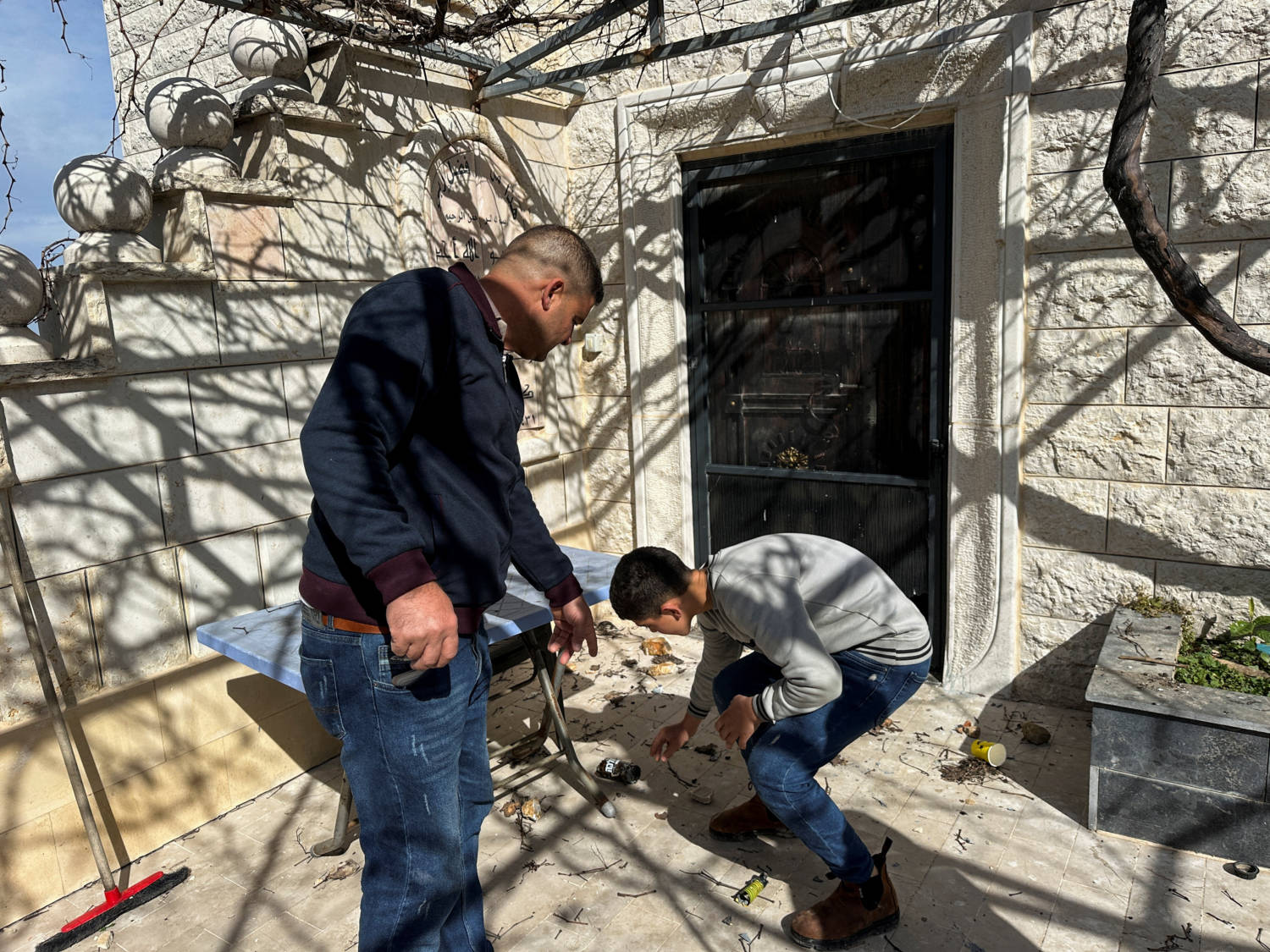
Palestinian residents report increasing violence and harassment linked to these outposts. Ayesha Shtayyeh, a Palestinian grandmother, told the BBC she was forced to leave her home of 50 years after an armed threat from a settler who had established an outpost nearby.
The Israeli government has been retroactively legalising some outposts, effectively transforming them into settlements. Last year, the process began for at least 10 outposts, with six others granted full legal status.
Former Israeli army commander Avi Mizrahi acknowledged that while most settlers are law-abiding, the existence of outposts increases tensions with Palestinian communities.
The United Nations’ top court recently issued an opinion stating Israel should stop all new settlement activity and evacuate settlers from the Occupied Palestinian Territory, which Israel rejected as “fundamentally wrong”.
Read more:

