


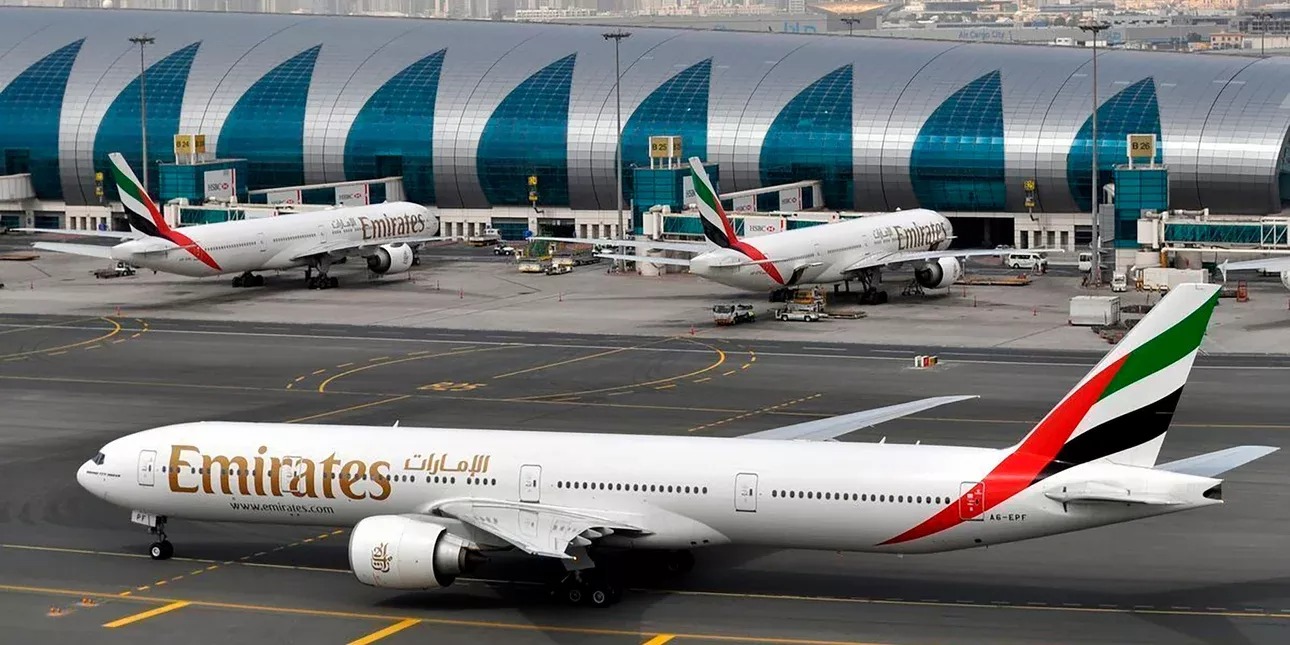
Two drones fell near Dubai International Airport and Bahrain relocated aircraft to alternative airports on Wednesday, as attacks across the Gulf deepened what has become aviation’s worst crisis since the pandemic — as the war now enters its 12th day.
Dubai’s media office confirmed the drone incident but said air traffic was operating normally. Reuters witnesses reported no visible damage to the airport. Four people were injured.
The strikes came as the US-Israel war against Iran continued to batter regional airspace. Tens of thousands of flights have been cancelled, rerouted or rescheduled worldwide, with much of the Middle East — including Qatar — closed to traffic due to ongoing missile and drone threats.
Dubai International, the world’s busiest airport for international passengers, was among the first to sustain damage when the conflict began. Abu Dhabi and Kuwait’s international airports were also hit on the opening day of hostilities.
Bahrain’s Civil Aviation Affairs said several Gulf Air aircraft carrying no passengers, along with some cargo planes, had been moved to ensure “the continuity and efficiency of air operations.” It gave no further details, and Gulf Air was not immediately available for comment. Tracking data on FlightRadar24 showed multiple passenger jets repositioning to locations in Saudi Arabia over the previous 24 hours.
Regional carriers Emirates, Etihad and Qatar Airways have resumed some services but remain well below normal capacity. Daily flights by the main UAE airlines topped 600 over the weekend before flattening and dipping slightly on Tuesday, according to Flightradar24 data.
The conflict has also disrupted a key oil export corridor, pushing jet fuel prices higher and raising fares on some routes. Time-sensitive air cargo has been heavily affected. Vietnam’s government warned on Wednesday that domestic airlines could face fuel shortages as soon as next month — a sign of the conflict’s widening impact well beyond the immediate region.
(Reuters)
Read more:

