


Nicosia is pushing for a substantive return to the Cyprus talks, pivoting its strategy towards leveraging EU-Turkey relations to bridge the gap with Ankara. Conversely, the Turkish side is digging in on Confidence Building Measures and a hardline interpretation of “political equality” that borders on a demand for separate sovereignty. The latest written positions submitted to the UN Secretary-General’s “Good Offices” report expose a deep rift in intentions. While President Nikos Christodoulides submitted positions in his personal capacity, the Turkish Cypriot document is presented as a collective stance of the “side” to balance Ankara’s directives with the public image of their new leader, Tufan Erhürman, who took office in October.
The Turkish Cypriot document, heavily influenced by Erhürman, sets a high bar for returning to the negotiating table by demanding four explicit prerequisites. It insists on a rotating presidency and “effective participation,” which stipulates at least one positive Turkish Cypriot vote for every decision—effectively a veto. The side also asserts that convergences leading up to the 2017 Crans-Montana conference are set in stone and must not be renegotiated, while demanding strict deadlines and arbitration for any new process. Most controversially, they demand a “divorce settlement” that guarantees legal recognition of their status if talks fail again. Erhürman’s rhetoric carefully avoids a specific solution “label,” instead invoking “inherent and inalienable equal sovereign rights,” a clear nod to Ankara’s two-state policy.
Accusations of an “embargo” also feature heavily in the Turkish Cypriot side’s claims, specifically regarding children of mixed marriages. The document claims these children are denied EU citizenship and that parents not born in Cyprus are blocked from crossing the Green Line. President Christodoulides countered these claims with hard data, noting that Green Line trade reached €11.83 million by late October 2025, maintaining a record-breaking multi-year trend. In his own submission, Christodoulides accused Turkey of actively sabotaging the climate for talks through the “usurpation” of Greek Cypriot properties and the buildup of military infrastructure in the occupied north. However, he offered an “alternative paradigm” based on mutual benefit, noting that Nicosia has not blocked Turkey’s OSCE leadership bids and allowed Turkish officials to attend key EU meetings throughout 2024 and 2025.
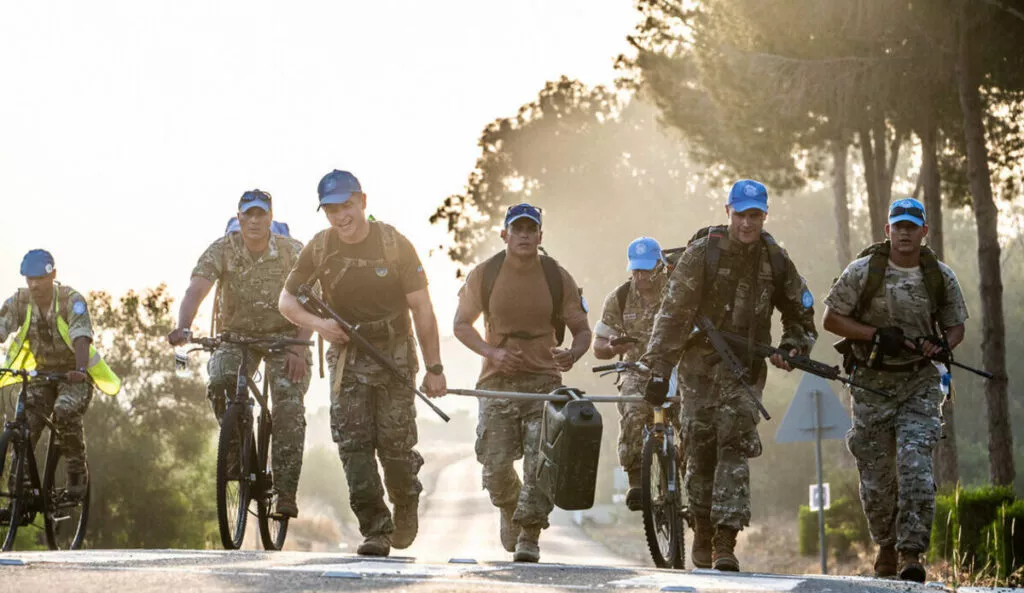
The “game of tension” is escalating on the ground even as diplomatic efforts persist. Turkish forces are increasingly challenging the status of the buffer zone, moving militarily into areas like Mammari, Avlona, Ayios Dometios, and Ledra Palace to exploit a numerically weakened UNFICYP presence. These local provocations occur against a volatile international backdrop, with the recent “Maduro abduction” by US President Donald Trump being viewed in Nicosia as a warning shot to other states. All eyes are now on the end of the month, when the UN Secretary-General’s Personal Envoy, María Ángela Holguín Cuéllar, is expected to visit the island to broker a joint meeting. The outcome of this encounter will determine whether Antonio Guterres convenes an informal “Five-Party” conference to break the stalemate, while negotiators currently remain stuck in low-level talks focused on technical committees.

