


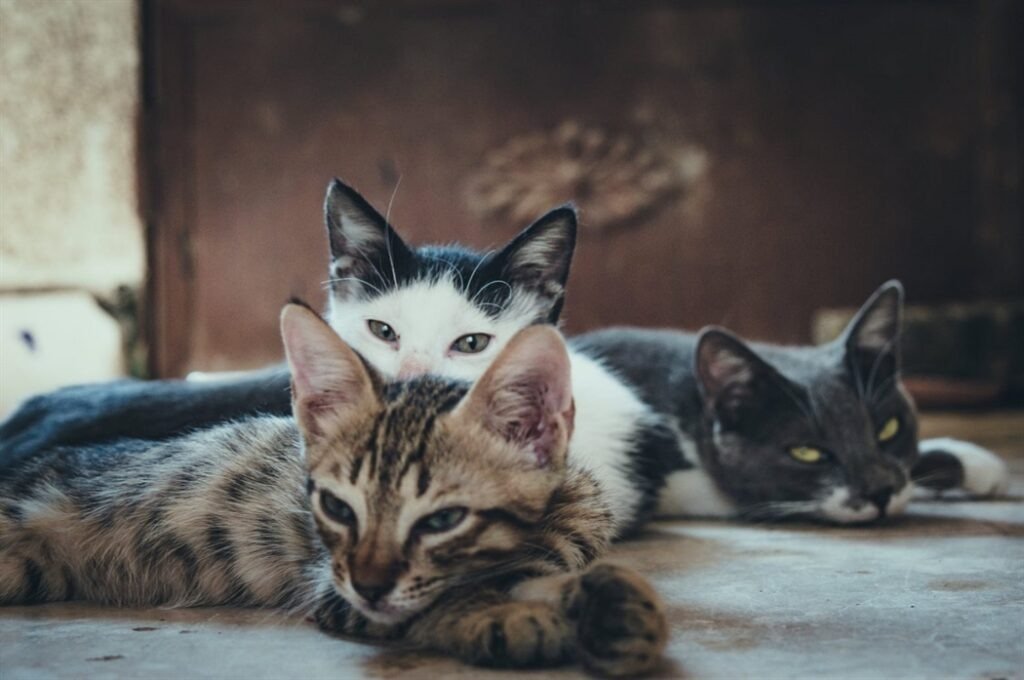
Domestic cats, despite living alongside humans for 10,000 years, remain only “just” domesticated compared with their canine counterparts, according to scientific research reported on livescience.
The common house cat, a member of the Felidae family that includes lions and tigers, began its relationship with humans in what is now Turkey, where wildcats were attracted to vermin in early agricultural settlements.
DNA evidence from archaeological sites shows cats from the Middle East spread throughout Europe and Africa, likely transported by traders who valued their ability to control rodent populations on ships and in settlements.
“Despite having relatively small natural ranges, wildcats showed up in eastern Europe by 4400 B.C.,” according to findings from ancient DNA extracted at archaeological sites, suggesting early maritime trade played a significant role in their distribution.
The oldest known burial of a domesticated cat with a human dates back 9,500 years in Cyprus, while 5,300-year-old cat remains have been discovered in refuse pits in China, establishing the widespread nature of early cat-human relationships.
Unlike dogs, which underwent deliberate breeding for specific traits and behaviours beginning as early as 30,000 years ago, cats evolved through natural selection as they adapted to human environments.
Scientists note that many domestic cats today are feral, capable of surviving without human care, and regularly interbreed with house cats. This constant genetic exchange with wild populations has preserved many of their predatory instincts.
The ancient Egyptians notably elevated cats to religious significance, associating them with deities and sometimes mummifying them alongside their owners. The goddess Bastet, depicted with a feline head, was worshipped as a protector and associated with childbirth.
Modern cat breeding for specific traits like hairlessness began only in recent centuries, primarily focusing on appearance rather than behaviour or working abilities that guided dog breeding for millennia.
This late selective breeding, combined with their evolutionary path, explains why domestic cats maintain what researchers describe as a “charming mix of aloofness and goofiness” that continues to fascinate their human companions.

