


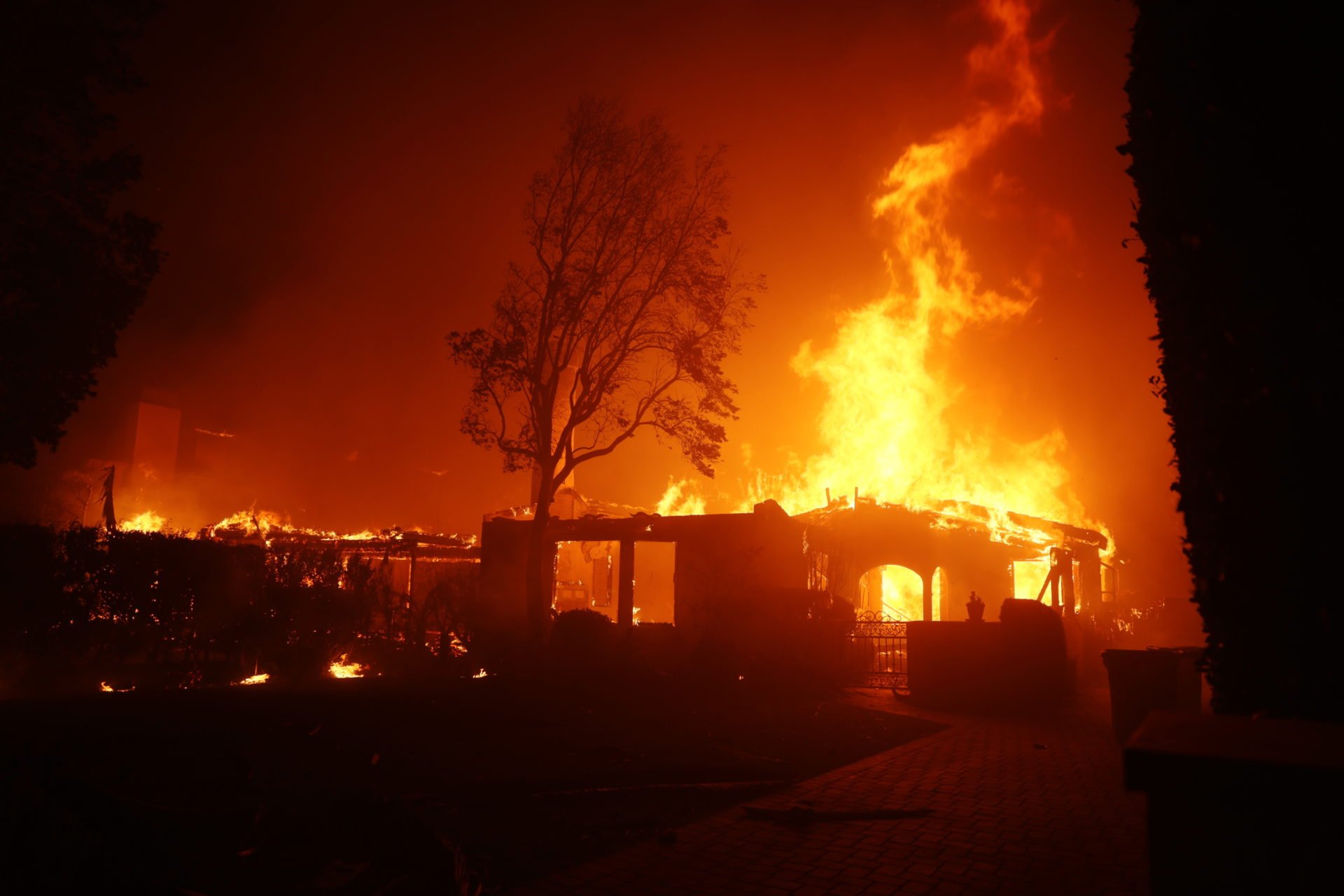
Major fossil fuel companies and industry groups mounted an intensive lobbying campaign to defeat legislation that would have required them to help cover California’s climate disaster costs, ahead of devastating Los Angeles county wildfires.
Lobbying expenditure in California reached record levels during the 2023-24 legislative session, with the “polluter pay” bill featuring in approximately 76% of 74 filings from Chevron and the Western States Petroleum Association, a Guardian analysis of state records shows.
The two organisations’ filings mentioning the bill totalled more than $30m, though specific spending on individual legislation cannot be determined under current lobbying laws.
The campaign also included at least 34 of the world’s largest oil producers and industry groups, along with other major greenhouse gas emitters.
The proposed Polluters Pay Climate Cost Recovery Act of 2024 would have established a fund, paid into by the state’s largest carbon polluters, for disaster prevention and cleanup. Its defeat means taxpayers continue to bear most climate catastrophe costs.
“The latest fire shows exactly how Californians are paying for climate destruction, not just with budget dollars, but with their lives”, said Kassie Siegel, an attorney for the Center for Biological Diversity, which supported the bill.
The Los Angeles fires have killed at least 25 people and destroyed 12,000 structures, making it California’s second most destructive wildfire event. The economic impact is expected to exceed that of the 2018 Camp fire.
While California faces a $32bn budget deficit likely to grow due to the fires, Chevron reported $30bn in profits for 2023 and launched a $75bn stock buyback programme.
Industry records show major oil producers and trade groups spent over $80m on lobbying in the state last session.
The legislation would have required about 40 companies that emitted more than 1bn metric tons of greenhouse gases between 2000 and 2020 to pay into a “climate superfund”. A legislative analysis estimated this could generate tens of billions annually.
Supporters say the bill has new momentum following the Los Angeles disaster, though Western States launched an advertising campaign the day after the fires began, suggesting such measures would increase oil prices.
Western States and Chevron did not respond to requests for comment.
Read more:

