


Ten multinationals with US interests have already left Cyprus over a planned tightening of the minimum tax on large groups, the Institute of Certified Public Accountants of Cyprus (ICPAC/SELK) told parliament on Monday, while officials said the country had no choice but to comply with EU rules.
The House Finance Committee discussed a bill that would bring Cyprus’s Pillar Two legislation into line with EU law by applying a qualified domestic minimum top-up tax (QDMTT) from 1 January 2026.
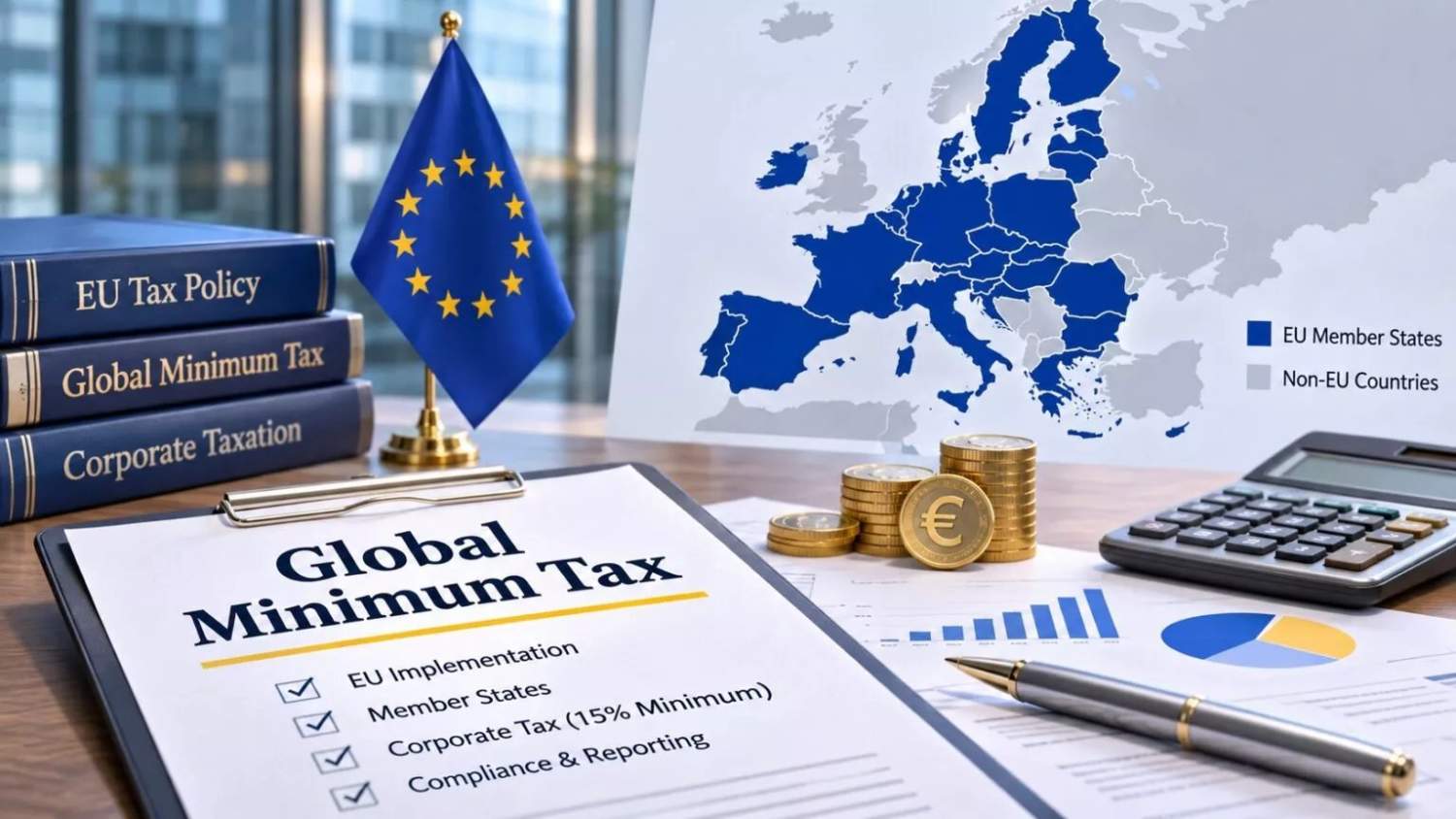
The legislation imposes a minimum effective tax rate of 15 per cent on entities belonging to multinational groups, or to large domestic groups, with annual revenue of more than 750 million euros. It is being revised because the European Commission was not satisfied with the law Cyprus passed in December 2024, which applied a domestic top-up tax as a standalone corporate tax.
Accountants’ warning
Eftychios Eftychiou, chairman of ICPAC’s tax planning and policy committee, warned that multinationals with US interests risked leaving Cyprus for lower-tax jurisdictions such as Malta, Switzerland, Singapore and Hong Kong.
He said 60 such companies operated in Cyprus, 30 to 40 of them with US interests, paying 150 million euros in taxes. Apart from the ten that had already left, other US-owned businesses had given the big audit firms lists of companies that would leave the island, he said.
US companies contributed many billions of euros to the Cypriot economy, compared with a few million from multinationals from other countries, Eftychiou said. He said they would choose jurisdictions with lower tax rates, such as Malta and the Baltic states, which were exempt from the tax for six years, until the end of 2029.
If the bill were approved, Cyprus would fall to last place for these activities and a sector that had taken 18 years to build would be destroyed, he said. ICPAC has put forward proposals to cut the impact by 50 per cent.
Officials: compliance the only option
The finance ministry, the Law Office of the Republic and the Tax Commissioner told the committee that approving and implementing the bill was the only option, and that the country should not take risks.
Nagia Simeonidou of the finance ministry said failing to comply would be catastrophic for Cyprus, adding that in earlier negotiations Cyprus had not had a choice. The aim of the EU and the OECD was for companies in multinational groups to pay a minimum tax of 15 per cent, she said. Malta and the Baltic states would come under the qualified tax when their exemption expired at the end of 2028, she said, while Cyprus would stop applying the legislation after three years, meaning the tax would in effect expire in three years.
Tax Commissioner Sotiris Markides said that if the bill was not approved, all companies would be affected, not only multinationals with US interests. Non-compliance would trigger EU infringement proceedings and sanctions against Cyprus, and the OECD and third jurisdictions would not recognise the Cypriot regime, risking double taxation for the groups affected, he said.
Markides acknowledged there was a risk of companies relocating. Cyprus might lose the Americans, he said, but it would gain from other multinationals.
A Law Office representative said Brussels had found that the 2024 law circumvented the philosophy of Pillar Two and was incompatible with the rules on aggressive tax planning.
Background
In September, Finance Minister Makis Keravnos said there was no sign of multinationals with US interests leaving Cyprus over the revised legislation, and that the only change seen was a rise in foreign company registrations. Days later, the American Chamber of Commerce in Cyprus called for an independent assessment of the rules’ impact, while stressing that it supported Cyprus’s international tax obligations. The bill was tabled in parliament in October, Phileleftheros reported at the time.

