


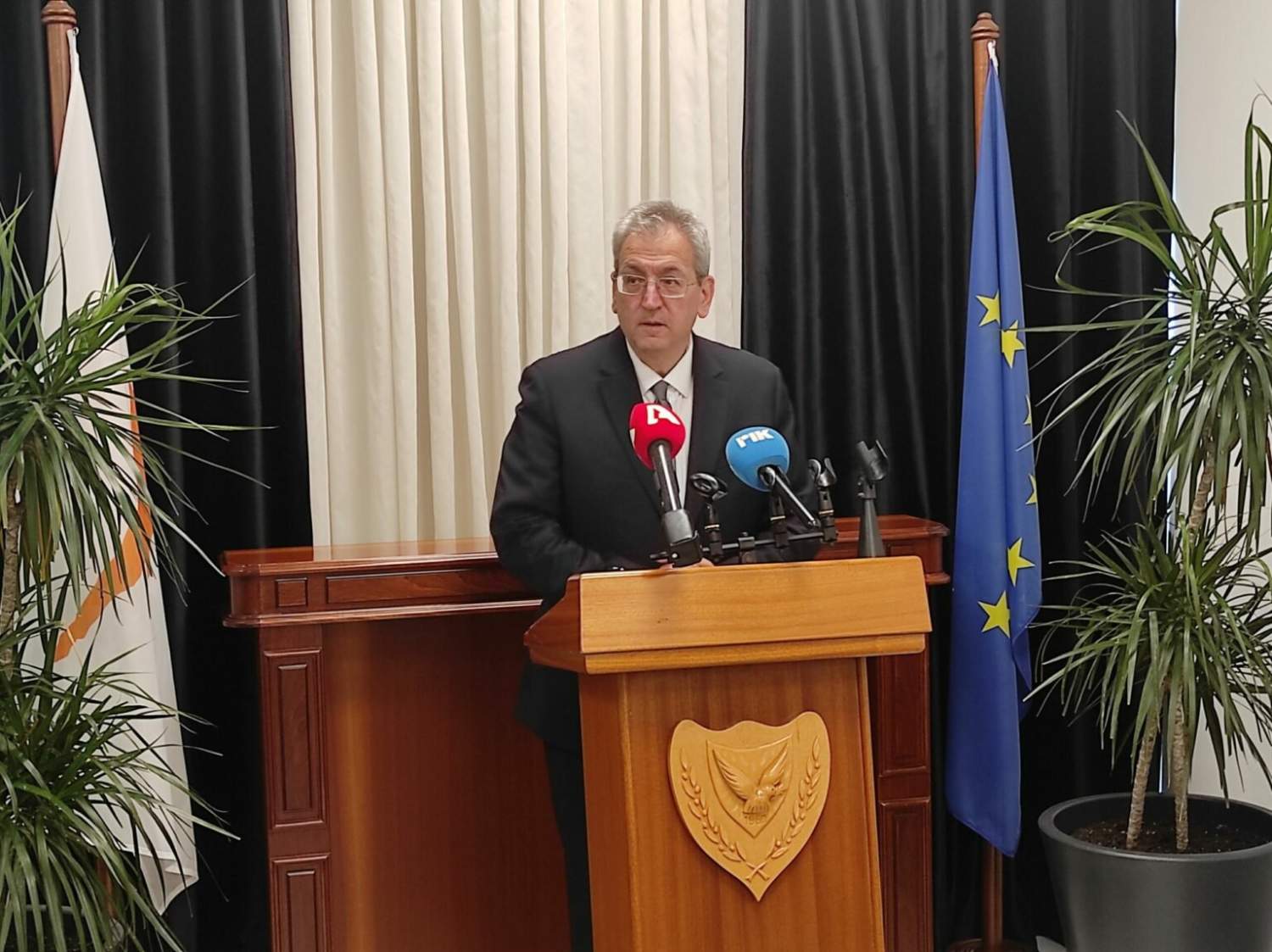
Pension increases under Cyprus’s planned reform will be paid over three years instead of five, Labour Minister Marinos Moushouttas said on Monday, announcing three changes to the bill that meet some of the demands of unions and employers.
The increases will be paid in stages, with 30 per cent in the first year, 30 per cent in the second and the remaining 40 per cent in the third, Moushouttas said after a meeting of the Labour Advisory Board.
The transitional period will be extended from five to 15 years, which he said appeared to have resolved the problem of a possible rise in contributions. Conditions for widowhood and disability pensions will also improve as a consequence of the longer transition, he added.
Unions and employers welcomed the changes, saying their persistence on these points had been vindicated. Phileleftheros understands, however, that both still expect further changes and clarifications so that a bill with the widest possible agreement can be submitted to parliament.
Moushouttas repeated that the government intends the new system to take effect on January 1, 2027, so that people can feel the changes. For that to happen, parliament must pass the bill in 2026, he said, adding that any technical difficulties after the vote could be dealt with.
According to Phileleftheros’s information, the changes aim to address concerns about what happens after the reform’s first five years. These include possible pension cuts once the transitional period ends, higher contributions, and the prospect that people retiring in 10 to 15 years could be worse off than under current conditions.
The changes are also meant to end complaints that the initial increases would be much smaller than the amounts made public, even though it had been made clear that those amounts covered the full five years.
Unions also want the government to move on four points: ‘pillar zero’, which covers low-income pensioners; the 12 per cent penalty; pensions for widowers; and credits for students and carers.
For employers, the main concern is the fiscal impact of the changes, particularly the increases for public sector pensioners. They argue that because the increases apply to the basic rather than the proportional part of pensions, they will change the ratio of what public sector employees and the government pay towards occupational pensions, at a cost to the Republic’s Consolidated Fund. Employers want clarification on how much extra the state will have to pay.
On provident funds, the reform’s second pillar, Moushouttas said: “It is clear that there is currently no legislation on provident funds.” He said he understood the social partners wanted a gentlemen’s agreement with the state setting out the broad lines and a timetable. The social partners have repeatedly said they want the second pillar to be designed, not just a gentlemen’s agreement.
Contributions on dividends
At Monday’s House Finance Committee debate on the 2027 budget, ELAM parliament member Marios Pelekanos asked Finance Minister Makis Keravnos whether the government intended to tax Cypriot business owners’ dividends indirectly through the pension reform, saying this would run counter to the tax reform.
The tax reform cut tax on dividends from 17 per cent to 5 per cent, a change officially presented as a way to improve liquidity, ease business planning and make Cyprus more attractive and competitive for investment and growth.
Keravnos said he could not comment because he did not have the final pension reform bill before him. Pelekanos said the social partners taking part in the consultations had reported that such a provision was in the bill.
Under the Labour Ministry’s draft, a new group of contributors to the Social Insurance Fund would be created for so-called ‘income earners’. Income from holding office, dividends, interest, rents, copyright or patent royalties, fees and other property gains would be taken into account. For employees who are also shareholders in the company they work for, dividends from that company would count as earnings.
People who are not insured and receive no salary but earn dividend income would pay contributions of 15.8 per cent to reach one insurance unit, worth about 11,500 euros, the draft says. As part of the social dialogue, the ministry will amend the provision on people with income from both salaries and dividends who reach maximum insurable earnings of about 69,000 euros a year.
The formula would increase the number of contributors to the Social Insurance Fund and, by extension, state revenue. The social partners are seeking clarification on the issue.

