


Time is running out for the Electricity Authority of Cyprus (EAC) to approve one of three bids for new generators at the Dhekelia power station, with internal concerns mounting over whether any of the offers should get the green light.
The EAC board is scheduled to meet this afternoon to discuss the matter and make a decision, but sources indicate approval seems increasingly unlikely for either TERNA or Avacs, which offered Siemens and General Electric machines (the former) and Siemens units (the latter).
Philenews reports that EAC’s legal adviser has flagged several technical deviations from tender specifications. Among the technical issues causing concern is Siemens’ factory requirement that generators must be shut down fortnightly for cleaning and maintenance, undermining the flexibility and economic efficiency the EAC requires.
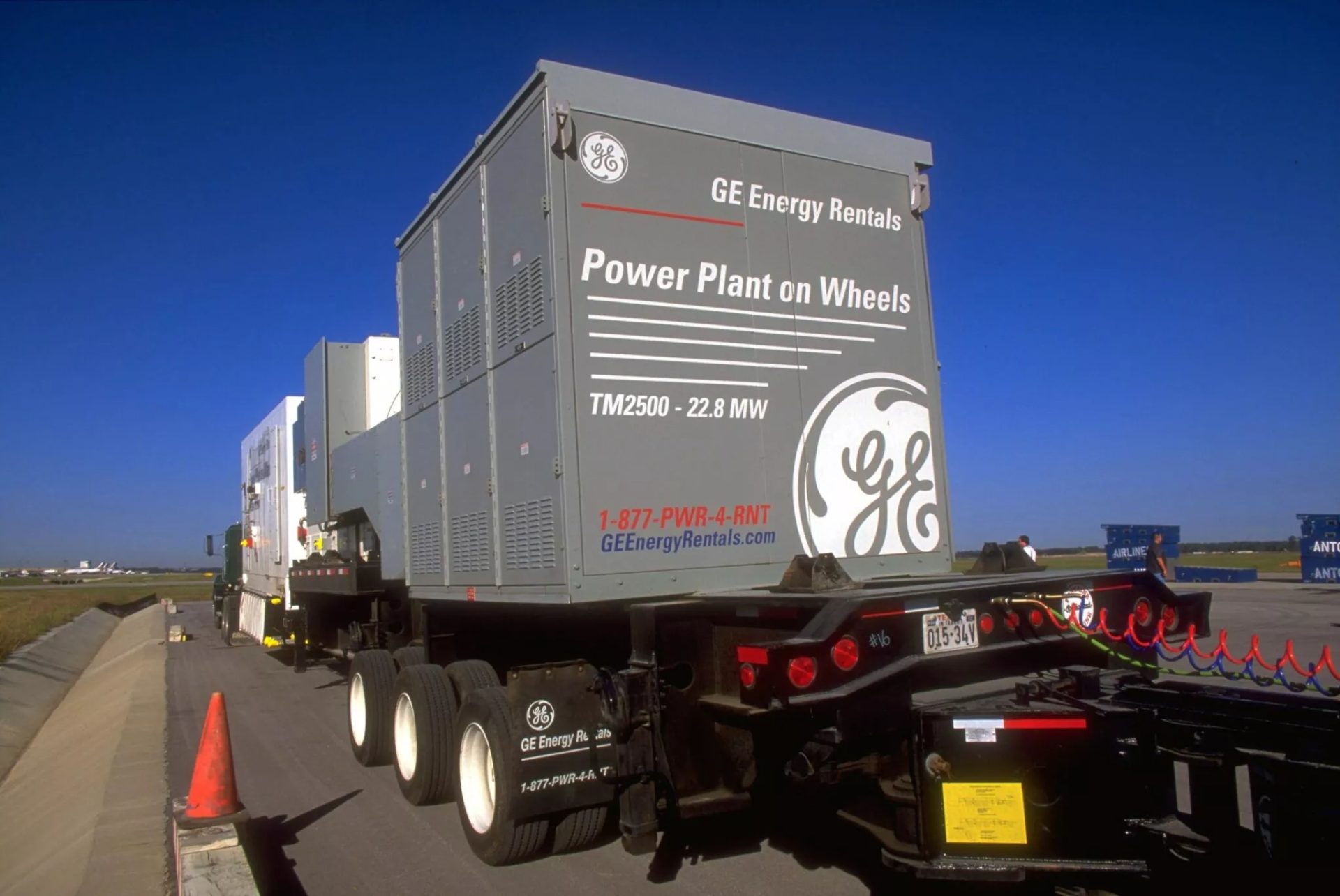
The General Electric generators do not require fortnightly shutdowns and are considered by technical experts to be more flexible (three units of 28 megawatts each) and quicker to respond, meeting EAC and Transmission System Operator requirements. However, they are significantly more expensive than EAC’s initial budget (€148 million versus €80 million estimated during the tender announcement).
Sources suggest that the legal adviser’s reservations about technical issues and high costs have led the Evaluation Committee to recommend against accepting one of the three bids, instead proposing re-tendering or extending negotiations to find a more suitable and cost-effective solution.
The Tenders Committee reportedly shares this rejection position, though no official confirmation has been provided.
If the board receives two negative positions from these committees today, overturning them to approve a bid would be difficult.
However, such a reversal remains possible, given that both the President of the Republic and the Energy Minister have informed EAC of the urgent need to enhance Dhekelia’s production capacity with at least two generators of approximately 80 megawatts to avoid more serious electricity supply problems and system imbalances by 2027.
The exact severity of the technical deviations identified in the bids remains unclear, as does whether they obligate EAC authorities to cancel and re-tender the project – a process that would require considerable time and potentially delay conventional electricity production enhancement at Dhekelia beyond 2027.
Within EAC, there are also growing concerns about the economic viability of the investment, despite its necessity for the country’s electrical system.
These worries stem from the expected launch of the competitive electricity market, the arrival of natural gas, and production enhancement of 420 megawatts from EAC and PEC-Cyfield stations in Vasilikos at lower costs.
The European Commission’s Competition Directorate General’s reluctance to allow cost recovery from all electricity consumers rather than just EAC customers further complicates matters.
A potential solution might involve government assurance that, regardless of the Commission’s position, ways will be found to prevent medium-term financial losses for EAC if concerns about sustainable cost recovery for the new Dhekelia generators prove justified.
Some sources within both EAC and the government maintain that the cost burden from installing the new generators would be approximately one cent per kilowatt-hour to recover the expenditure (around €150 million) over time – a figure they consider manageable for EAC’s competitiveness in an open market.
However, other technical experts point out that EAC has already committed to funding costly infrastructure from its cash reserves (without charging customers), including the central storage system for network support, storage systems at Dhekelia, part of the smart meter costs, and €43 million for participation in the natural gas terminal project through ETYFA.
Together, these commitments could create financial difficulties for the organisation in coming years.

