


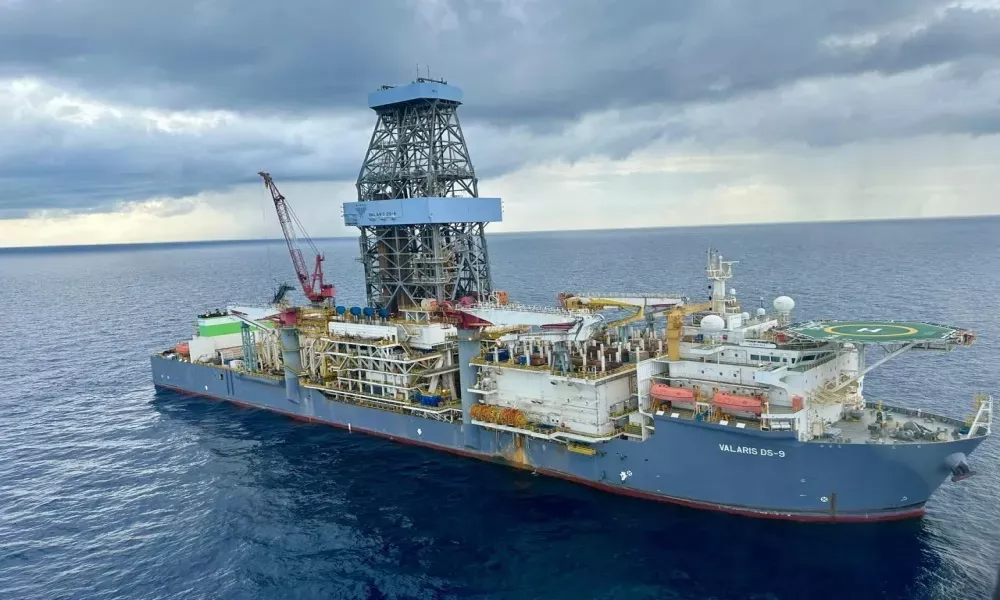
Cyprus has confirmed the discovery of a new natural gas deposit in Block 10 of its exclusive economic zone, though ExxonMobil has declined to estimate reserve volumes pending further geological analysis.
The Pegasus-1 well, drilled by the Valaris DS-9 floating rig approximately 190 kilometres southwest of Cyprus at a water depth of 1,921 metres, revealed a 350-metre column of clean natural gas, government spokesman Konstantinos Letymbiotis said following a videoconference between President Christodoulides and ExxonMobil executives.
Unlike previous discoveries such as the Glaucus field, where ExxonMobil estimated reserves at 5-8 trillion cubic feet, the company provided no volume projections for Pegasus-1. The firm indicated it would conduct additional analysis over the coming months and potentially drill a confirmation well.
Technical assessment required
Energy sector experts noted that whilst a 350-metre clean gas column represents a positive indicator, determining recoverable volumes requires comprehensive data on the deposit’s total dimensions beyond vertical height.
The gas column height at Pegasus-1 appears to be among the highest discovered in Cyprus’s exclusive economic zone to date, with most previous finds registering below 140 metres, according to historical drilling data.
However, accurate reserve estimates depend on the deposit’s horizontal extent and overall area coverage rather than column height alone, technical sources indicated.
Government’s response
President Christodoulides stated the discovery “confirms Cyprus’s energy potential” and pledged continued advancement of energy projects “for the benefit of our people, our region and the EU.”
The government provided no specific timeline for completing the geological assessment or announcing reserve estimates. ExxonMobil reserved the right to conduct additional evaluations of the drilling results, potentially including confirmatory drilling operations.

