


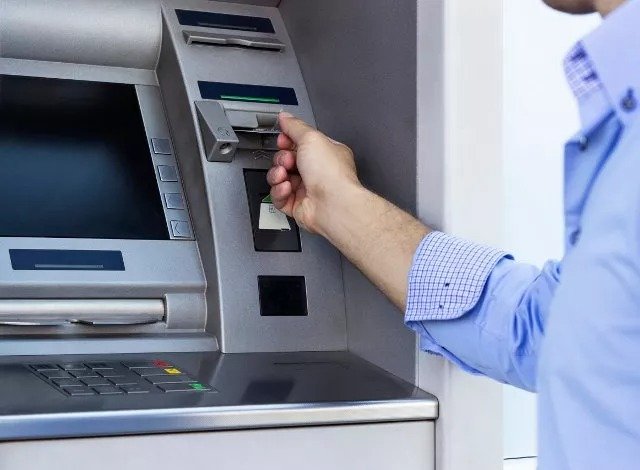
The number of ATMs across Cyprus has increased by just six machines since 2022, despite political pressure on banks to improve access for elderly residents in remote areas.
According to Central Bank data, there were 398 ATMs operating in Cyprus by December 2024, the same number as in 2023 and only six more than the 392 machines in 2022. The figures were published yesterday in the central bank’s quarterly statistical bulletin.
The increase is far smaller than what MPs and organisations had called for. Banks continue to shift customers away from branches, with the majority of transactions now conducted either electronically through web banking or, to a lesser extent, through ATMs.
The question of how elderly people or those less familiar with electronic services are being served remains unanswered.
The issue attracted significant parliamentary attention last year after MPs reported that elderly residents in mountainous areas were travelling from village to village to find ATMs to withdraw cash.
Following political pressure, banks decided to install up to 10 additional ATMs in remote areas to fill gaps in service for elderly people.
Payment card use surges
The number of payment cards in circulation in Cyprus stood at 1,993,641 by the end of 2024, compared with 1,864,856 in 2023 and 1,718,038 in 2022, marking a 16.37% increase over two years, according to the Central Bank data.
Regarding the value of transactions by payment method (excluding cash) in 2024, 83% were made with payment cards, up slightly from 81% in 2022. Electronic money payments accounted for 2% in 2024 and cheques 7%, down from 9% in 2022. Card payments by transaction volume were 71% in person and 29% online. By value, 57% of transactions were online and 43% in person.
The European Central Bank noted in a recent report that the digital euro represents a unique opportunity to overcome fragmentation in retail payment systems in the eurozone.
By 2029, the likely date for the digital euro’s introduction, banking payment habits as recorded today will change again.
Beyond payment methods and ATM numbers, the Central Bank’s quarterly bulletin provides other financial statistics.
Deposits as a percentage of GDP stood at 194% at the end of December 2024 and loans at 88%, confirming that whilst bank debts exist, so do savings. A year earlier, in 2023, deposits as a percentage of GDP were 198% and lending 94%.
Read more:

