


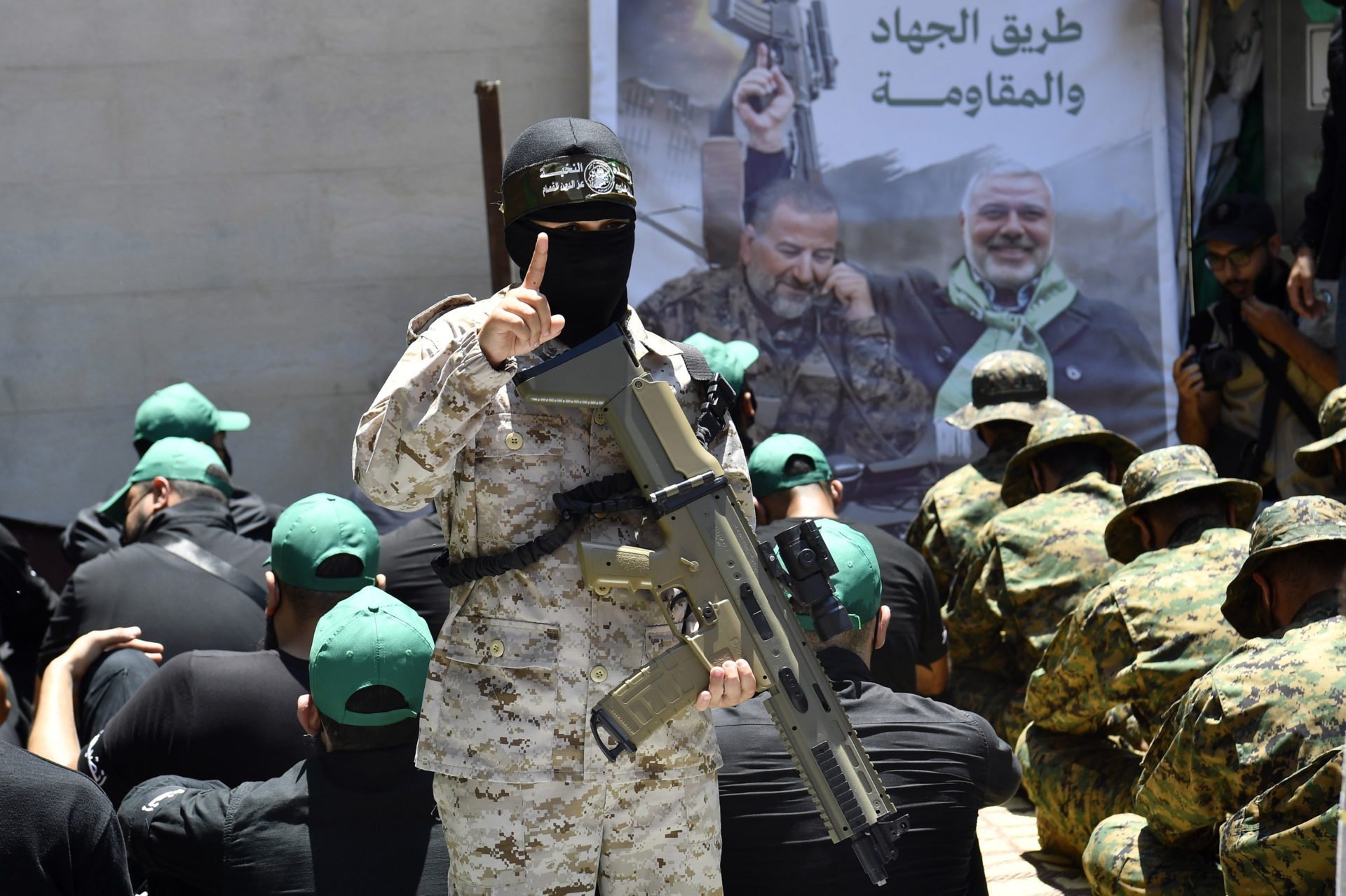
Cypriot economists have voiced concerns over potential economic repercussions stemming from the escalating conflicts in the Middle East, warning of impacts on tourism, investments, and electricity prices.
Marios Clerides, economist and former President of the Cyprus Securities and Exchange Commission, cautioned that prolonged high oil prices could lead to increased electricity costs for Cypriot consumers. “Oil is of great importance to Cyprus as it is still the main fuel used by the Electricity Authority of Cyprus (EAC) for electricity production,” Clerides said. “If oil prices remain high due to the war, we will pay more for electricity.”
Tasos Yiasemides, an economist at KPMG, highlighted Cyprus’s vulnerability due to its proximity to the conflict zone. He warned of potential consequences including “the cancellation of some investments, for example, in the real estate sector, a decrease in visitor numbers… and a general increase in investment risk or business activity in our country.”
Yiasemides also pointed to broader economic implications, stating, “The potential involvement of Iran more actively in the conflicts, one of the largest oil-producing countries, or even worse, the possibility of a regional war, is expected to lead to increases in energy prices and economic slowdown.”
Despite these concerns, both economists noted that the situation remains fluid. Clerides suggested that other oil-producing nations might intervene to stabilise prices, while Yiasemides observed that financial markets have thus far shown resilience.
The Cypriot government’s capacity to mitigate potential price shocks through subsidies was also discussed.
Clerides said that addressing the oil price increases in the long term will come through the use of alternative energy sources.
He also cautioned against broad subsidies, advocating instead for targeted support to low income households if necessary.
When asked if the Cypriot government should subsidise part of the price increases, Clerides said that the government has its limitations. He added that if the government proceeds with subsidising the increased oil prices, ultimately, it will be the taxpayer who will pay.
“We often say let the government pay, as if the government is not made up of us and does not collect our taxes,” he added.
However, he mentioned that “public finances seem to be in a good state, and the government can withstand” a short-term subsidy, adding that this subsidy should be targeted, specifically towards low-income households, and not horizontal, but some will still pay for this subsidy in the end, as he noted.
Yiasemides highlighted Cyprus’s potential role as a stabilising force in the region. “Cyprus is a pillar of stability in the region, so it has its own role to play at the diplomatic and humanitarian level, and with the normalisation of tensions, perhaps also at the economic level,” he concluded.
Read more:

