


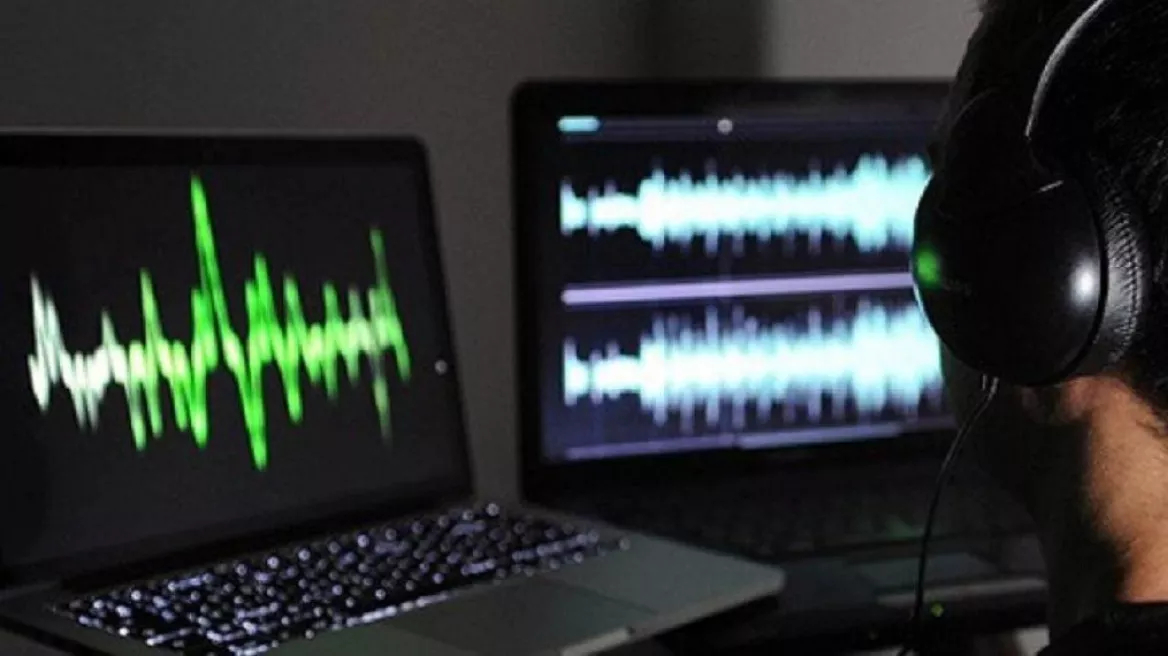
Some people still struggle to grasp what really matters in the whole surveillance saga. The issue is not whether law enforcement agencies intercept the communications of suspects in serious crimes — drug trafficking, child abuse and the like — through specialist software. The real issue is whether proper safeguards are in place to stop police or intelligence wiretappers from carrying out surveillance on a whim.
The point is to ensure they cannot illegally tap the mobile phone of an ordinary citizen, a journalist or a politician in order to obtain information that has nothing to do with national interests or the protection of legality. That is where things start to go badly wrong. If the state ensures that those doing the listening are overseen by the three-member committee, and if the system itself records the interceptions and surveillance they carry out, then the risk of arbitrary abuse is significantly reduced. So anyone opposing this legislation for the wrong reasons is, in effect, doing the dirty work of dark forces. On the other hand, if the pressure being brought is genuinely aimed at protecting the constitutional rights of innocent citizens, then no blame can be attached to that. We will return to this.
Φ.Μ.

