


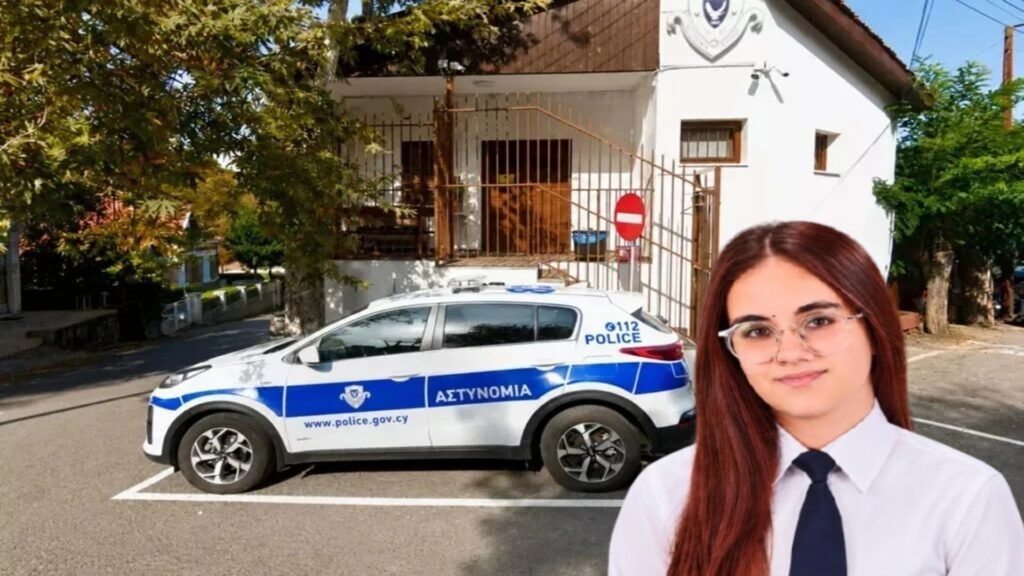
Police retracing the last 36 hours of a 17-year-old schoolgirl who died in Kakopetria have found no signs of anything suspicious, Morphou police director Nathanael Dimitriou said. The justice and health ministers are also due to meet over a state pathologist’s refusal to attend the scene where she was found dead.
Morphou CID is taking statements covering the period from 11am on Friday, when she boarded a bus to Kakopetria, until 11pm on Saturday, when she was found dead in a hotel room, Dimitriou told Phileleftheros. Investigators are speaking to people who were around her or came into contact with her for any reason, “so we know where she went and what state she was in”, he said.
Some 461 students were registered as staying in Kakopetria over the three days, though the number is estimated to have exceeded 600, as many were either not registered or went on their own. Statements are being taken daily, and investigators will at some stage approach members of the girl’s family circle.
Police are also examining CCTV systems across the village for anything that could help establish the cause of death. According to the police director, investigators are looking into every possibility but have nothing concrete. The fact that her body bore no injuries is being taken into account, and with no indications of anything suspicious, police will wait for the results of histopathology and toxicology tests.
Dimitriou appealed for an end to insinuations about the death, mainly on social media, saying nothing in the investigation or the evidence supports them.
Pathologist row
When police requested the assistance of the on-call state pathologist, he judged that he did not need to travel to Kakopetria and relied instead on photographs sent by police. A report on the facts found that he acted in line with protocols, but this did not satisfy either the justice or the health minister.
The two ministers will meet again in December, with a date to be set next week, to set out clearly, in writing, a protocol or legislation on when pathologists must respond to police calls.
At a meeting on 25 September, the ministers decided to update and modernise the forensic pathology service’s protocol and send it to police, setting out clearly the procedures to follow and the cases requiring a pathologist’s presence or assistance. They also approved a police request to reopen mortuaries in other towns to reduce transfers to Nicosia. Neither has happened.
The Law Commissioner had also taken on drafting a bill on the forensic pathology service, but the process has not moved at the necessary pace.

