


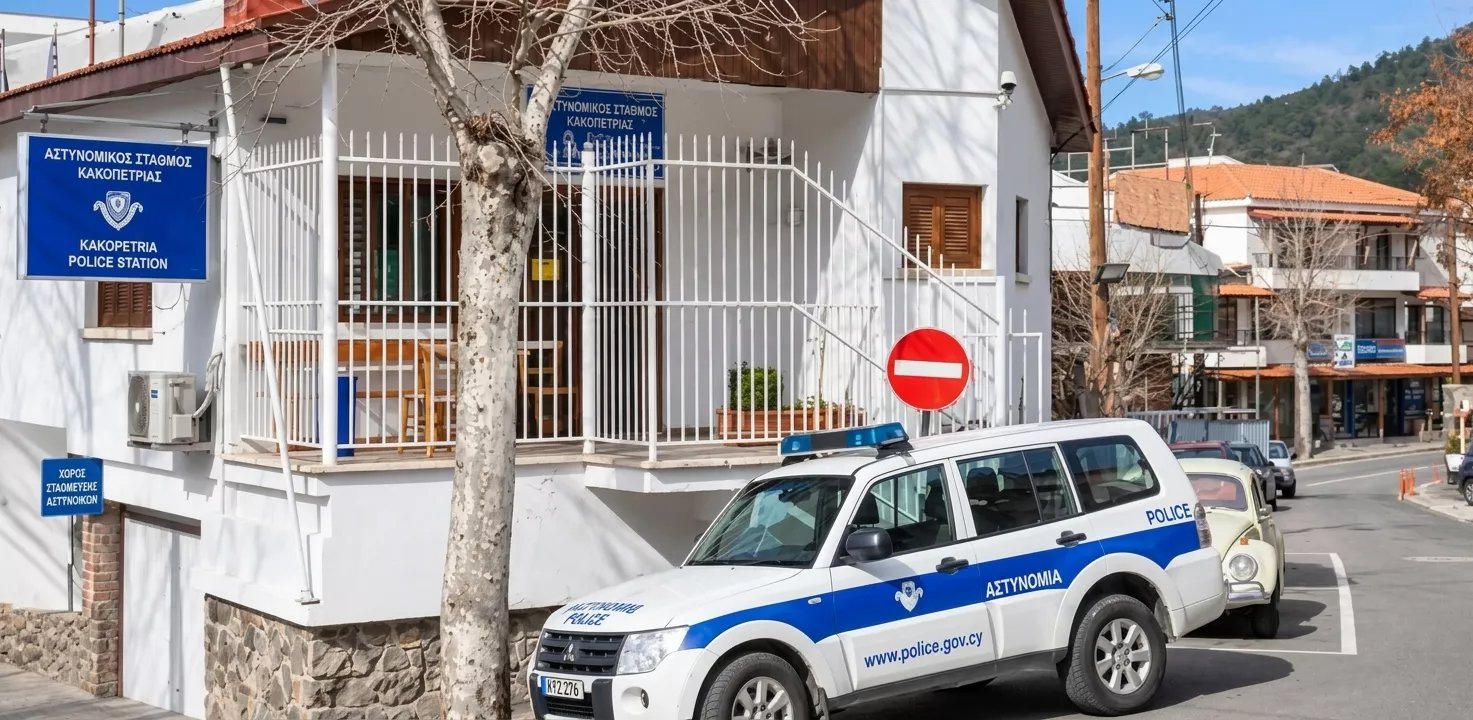
The tragedy in Kakopetria has turned the spotlight on school trips: on safety, on transparency and on exploitation. But before we point the finger at everyone else, let us also look in the mirror and consider our own responsibility.
The tragic death of the 17-year-old schoolgirl is deeply shocking. She went away with her friends and classmates to have a good time, to enjoy the kind of experience that comes with being her age. She never came home. A family has been plunged into mourning and an entire society is searching for answers.
And with the tragedy, the question of school trips is back on the table: trips without real supervision, with no clear lines of responsibility and, it is alleged, without the necessary transparency.
Who organises these trips? Who collects the money? Who chooses the hotel? Who checks the accommodation and, above all, who takes responsibility when hundreds of children are away from their families?
These questions are neither excessive nor unreasonable. They are obvious. As for parents’ complaints about money paid without receipts, unknown organisers and patchy information, if they are confirmed, they are no minor social misdemeanour. They are a serious sign that some people may be exploiting children’s wish to have fun and parents’ inability to know what is really going on.
That said, the 17-year-old’s death should not be arbitrarily linked to these complaints, nor used to hand down easy verdicts. If it turns out that she died of natural causes, that does not make the concerns go away. The tragedy may not have been caused by the conditions on the trip, but it has exposed risks and gaps we have no right to ignore, whether on trips like these or in any other activity.
Which brings me to the parents. Not to let anyone else off the hook, but so that we acknowledge our own share too.
Let me add my own experience, as a parent and as a human being, chiefly to highlight the difficult dilemma between protecting our children and their need to live their own lives, to socialise and to have experiences of their own.
Last year my daughter went on one of these trips. My hesitation and misgivings were plain to see. I put to her exactly the same questions hundreds of other parents are asking today. Who is organising it? Who is in charge? Where will you be staying? Who will be on hand if something happens? I got no real answers.
But there was also the dilemma. Should I deny her something she wanted so much? Two days and a night away with friends and classmates, an experience that meant a lot to her? She simply could not see my fears the way I did.
The exploitation, where there was any, was obvious. I let it go, as we so often let such things go in our daily lives. Not because we do not see them, but because we have learnt to live with them. And compared with safety, that is perhaps the least of the worries.
As for safety, I was terrified. I had two options. One was not to let her go, leaving her the odd one out when most of her classmates were going. The other was to let her go, with my blessing and a stern lecture: “BE CAREFUL.”
In the end, I let her go. She went with my consent, and therefore on my responsibility too. Not the organisers’ responsibility for whatever may have been going on there, but responsibility for the decision I made, knowing I did not have all the answers.
That is the reality for many parents. We are neither indifferent nor irresponsible. We are people trying to protect our children without shutting them out of life. And somewhere between fear and their eagerness to live their lives, we are forced to make decisions.
But children’s safety cannot depend on luck, on each parent’s personal choices or on a signature on a form that passes the buck.
What is needed is a regulatory framework, transparency, oversight and a clear definition of who is responsible. School trips are not a commodity, nor an opportunity for easy profit. They are something children need, and that need must be met safely and with dignity.
Because there is something wrong with us when we think it normal to pay without knowing, to sign without being informed and to send our children off hoping for the best.
And above all, there is something wrong with us when it takes the worst to happen before we ask who was actually responsible.

