


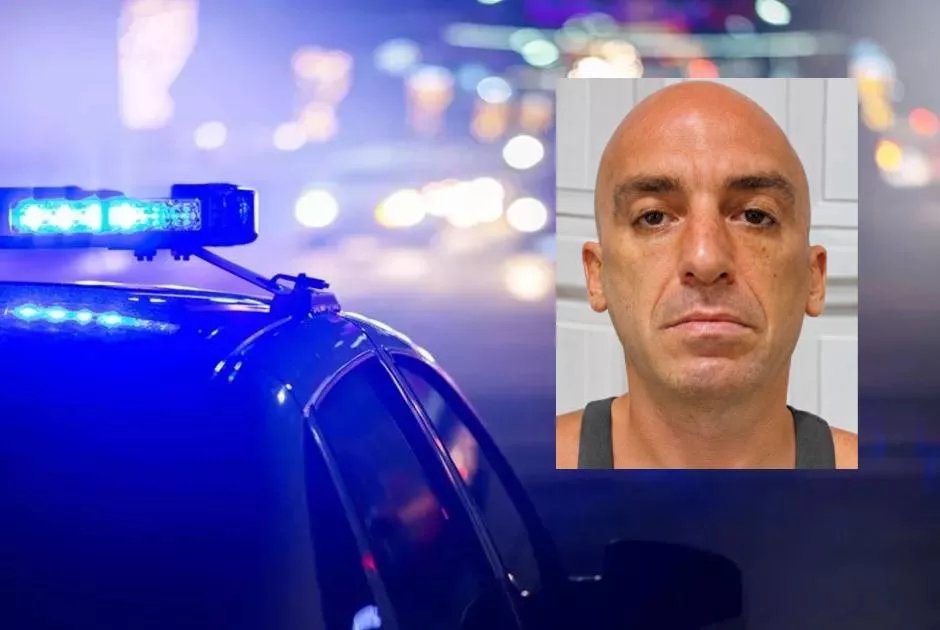
Prosecutors on Friday asked the court to keep in custody three people sent for trial over an alleged plot to murder Giorgos Xiourouppas in Limassol, citing cryptocurrency and money transfers from wanted people.
“This is not just any conspiracy, it is a conspiracy to murder,” the prosecutor told the court. She said two people abroad were also allegedly involved.
Prosecutors said there was evidence of money transfers and exchanges, and cited an exhibit concerning 45,000 in cryptocurrency held, they said, in a digital wallet belonging to the first accused.
They said there was testimony that the third accused had received money from the wanted people. The second accused, they said, had been found with 4,000 euros in cash, for which they argued he had given no adequate explanation.
According to the prosecution, the third accused was to plant the explosive devices and the second was to transport them. The prosecutor also cited a claim by the complainant that the first accused had told him he would plant explosive devices on two Russian businessmen.
Reoffending and witnesses
Prosecutors also pointed to some of the accused’s past involvement in criminal cases. To support their argument that the accused could reoffend, they submitted a document on a brawl case involving the first accused, arguing that his record and behaviour showed a propensity to commit the serious offences he is charged with.
When the prosecutor turned to a document concerning the second accused, lawyer Marinos Koulas objected, saying that case had been suspended by the Attorney General. “It is unthinkable to submit a case the Law Office itself is not pursuing,” he said.
The prosecution also argued that if the three were released they could interfere with prosecution witnesses, whose statements, it said, point to the accused.
Defence challenges evidence
Viktoras Akamas, lawyer for the first accused, disputed the claim that his client had been paid for the plot. “The prosecution is clearly confused about the first accused and the first wanted person,” he said, arguing that nothing in the documents showed his client had received a single cent.
He said a forensic examination of the second accused’s phone had found a photo containing the first accused’s name and an unknown web link, and that it was not known what the link related to. He argued this did not show any payment to his client.
Akamas focused on the credibility of the fourth suspect, a 70-year-old man who was released. He asked where the fourth man was, given the prosecution’s claim that this was a serious organised crime case, arguing that he was the only person to have orally admitted taking part. He said a Law Office document had instructed that the first three arrested be charged and the fourth released if he gave a statement.
Akamas said the 70-year-old had been convicted repeatedly by Cypriot and foreign courts, including for terrorism, antiquities smuggling and forged documents.
Separately, Akamas said the complainant had been sentenced to 20 years in prison for manslaughter, of which he served six.
The lawyer also referred to messages that, according to the defence, Xiourouppas and the 70-year-old had exchanged, and to a photo of a remote control used to set off an explosive device.
He questioned why no statement had been taken from a person identified as R., who according to the defence had put Xiourouppas in touch with the first accused. He said a statement from R. could have tested the complainant’s claim that he had spoken to the 48-year-old.
Akamas asked for his client to be released on conditions, proposing bail of any amount and daily reporting to the police.
The hearing will resume on Monday 23 November with submissions from the second accused’s lawyer. The three accused have been sent for trial before the Nicosia Criminal Court, with a first appearance set for 9am on 13 January 2027.

