


The contract for an 8.5 million euro upgrade of the Kato Pyrgos fishing shelter on Cyprus’s north-west coast is being finalised, with the works designed to tackle a long-standing build-up of sediment and seagrass.
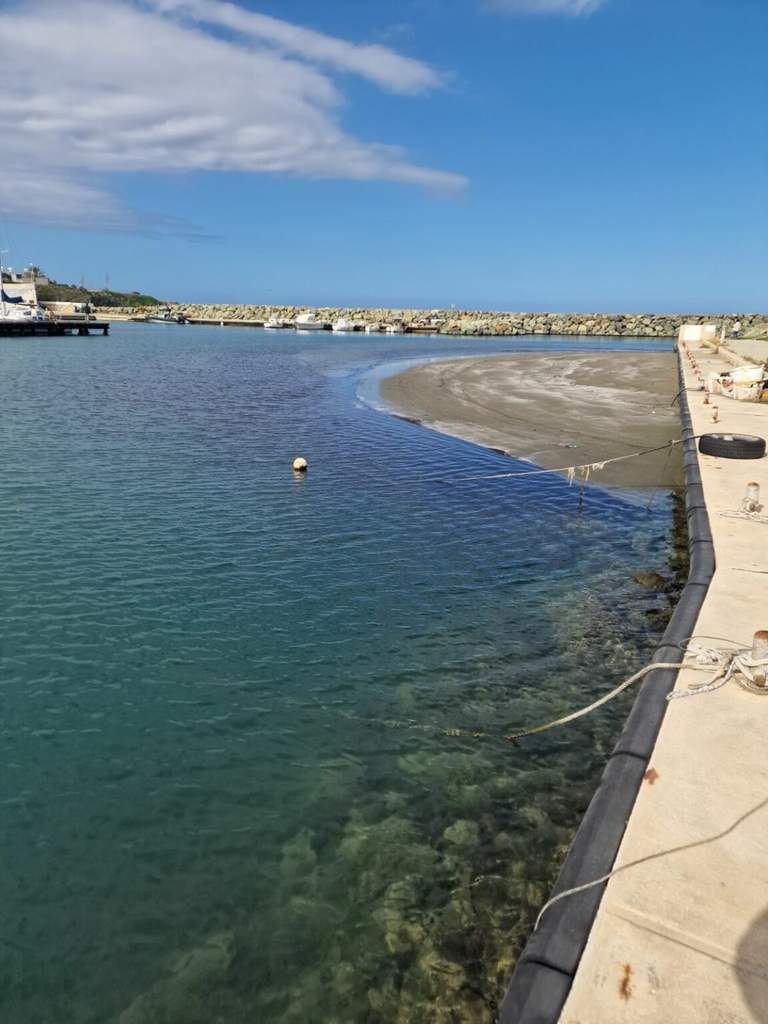
Sediment and dead Posidonia seagrass leaves collect at the harbour entrance and inside its basin, so the harbour has to be dredged and cleaned regularly, at a cost of about 400,000 to 500,000 euros every 18 months to two years. A coastal engineering study found that, if nothing changes, sand and seaweed will tend to build up at the root of the leeward breakwater. The study linked this to easterly and north-easterly waves, which create weaker coastal currents flowing towards the entrance channel.
The project is intended to clear the build-up from the entrance channel and keep the basin at the depth it needs. That should make mooring and manoeuvring safer and easier for fishing boats and reduce the risk of damage or accidents. It also seeks to improve the circulation of water in the basin.
Access roads will be built on the harbour’s two breakwaters, so that cleaning and maintenance at the entrance can be carried out from land when needed. That will matter most for long or repeated jobs, because the work will no longer need to be done from the water.
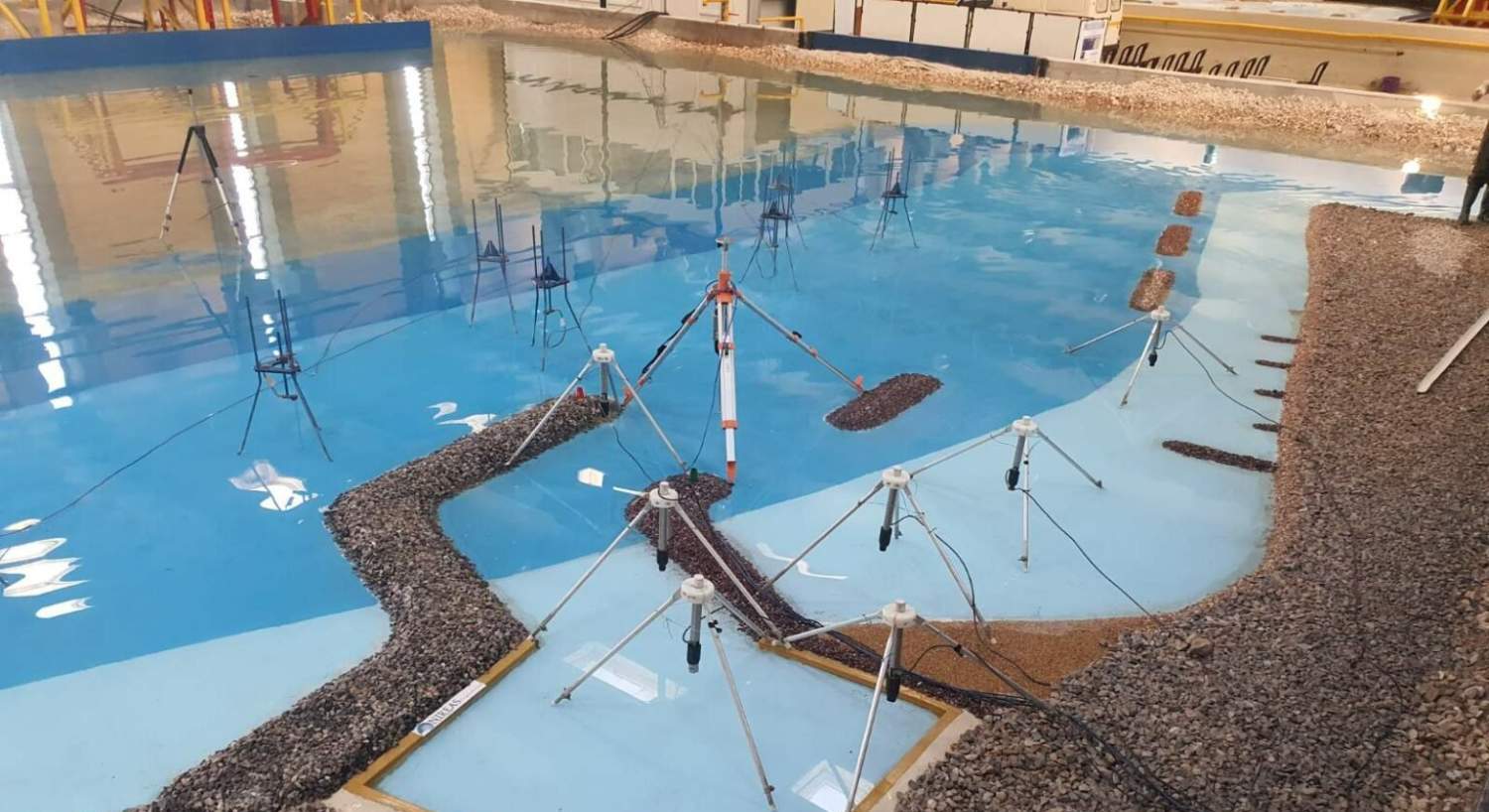
The final designs were drawn up with the National Technical University of Athens. As part of that work, a physical model of the harbour was built and tested in a wave tank, to assess how waves and currents behave and settle on the best layout.
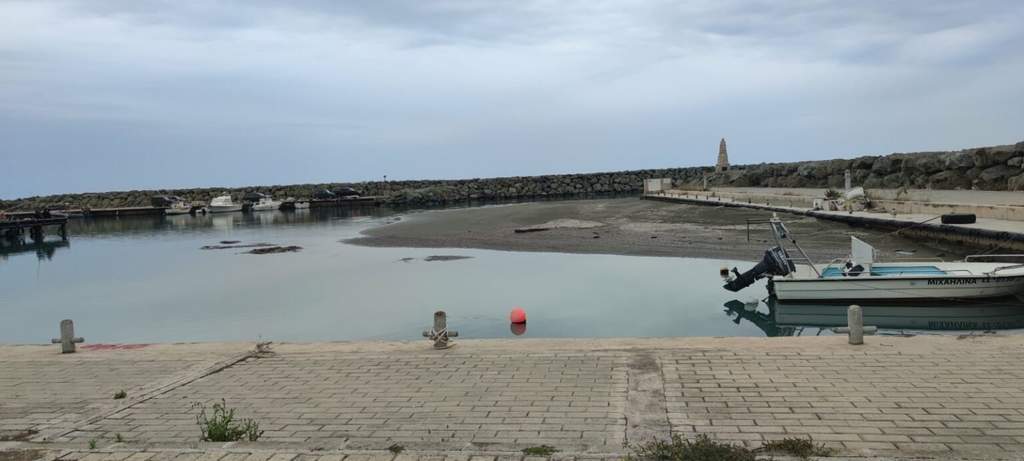
The Public Works Department will carry out the project at the shelter, which is owned by the Department of Fisheries and Marine Research and lies at Limiona in Pyrgos, Tylliria, at the western end of Morphou Bay. The upgrade aims to remodel and modernise the harbour facilities completely, and is expected to boost fishing activity, improve harbour services and create better prospects for the wider area.

