


A permanent Mossad-led intelligence centre should be set up in Nicosia to counter Iranian proxy networks in southeast Europe, an op-ed in the Times of Israel has proposed.
The op-ed was written by Jose Lev Alvarez, an American-Israeli scholar specialising in International Security Policy.
The proposal follows Tuesday’s announcement that a network allegedly planning, on Iranian instructions, to assassinate an Israeli executive of a company based in Greece had been dismantled.
The columnist argues that the case exposes a growing security gap in southeast Europe. Despite the effectiveness of Mossad and partner services in individual operations, the lack of a permanent, formal mechanism for sharing intelligence leaves dangerous gaps that networks operating in more than one country can exploit, the article says.
The Nicosia proposal
The article proposes a permanent regional intelligence body based in Nicosia, called the Balkan Counter-Proxy Fusion Cell. Mossad would have the main coordinating role, with liaison officers from the intelligence services of Greece, Cyprus and North Macedonia and selected services from Albania, Serbia and Bulgaria.
The aim would be to turn occasional cooperation between the services into a permanent system for detecting threats. Members would keep a shared watchlist of people allegedly linked to criminal networks that support Iranian operations. They would also cross-check travel, financial and communications data under jointly agreed protocols. According to the proposal, this would allow the services to respond to signs of an imminent threat within hours rather than months. Officers would also train together regularly.
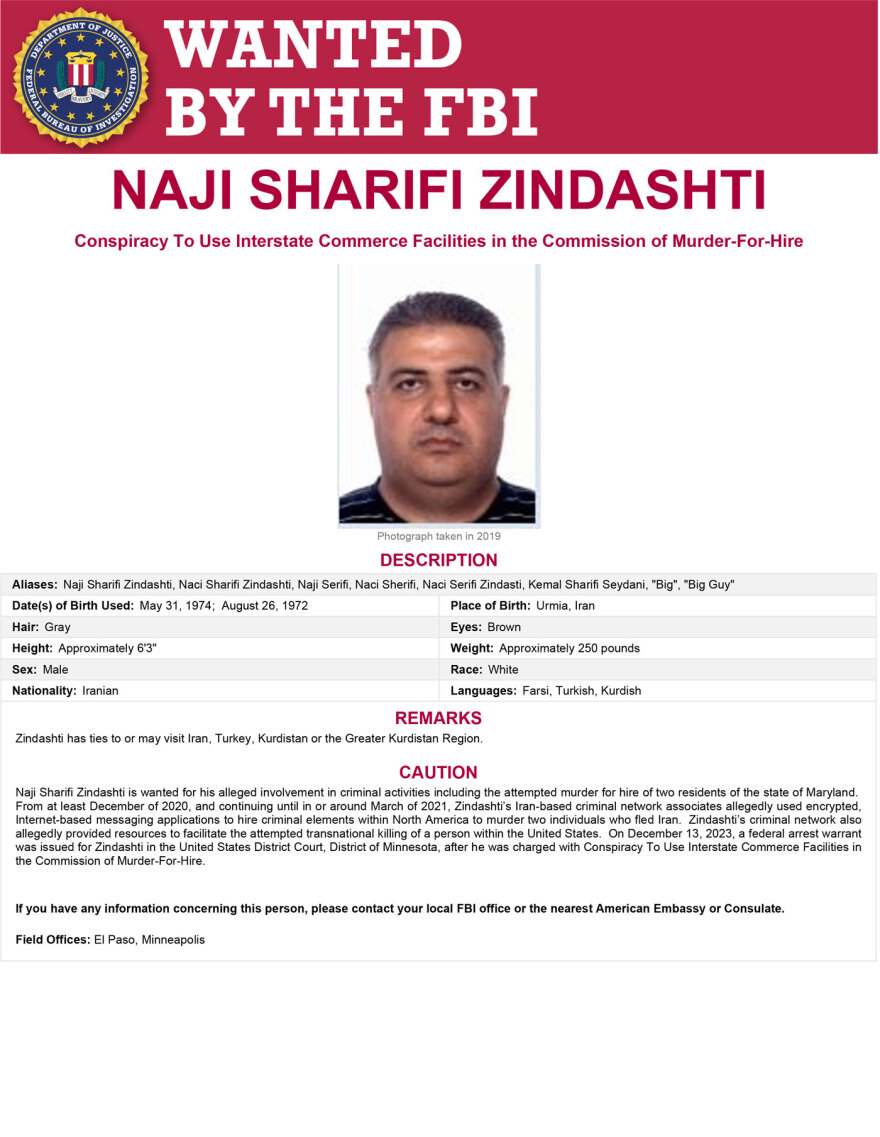
The article also proposes Joint Proxy Disruption Units to dismantle criminal networks allegedly acting as Iran’s intermediaries, targeting figures such as Naji Sharifi Zindashti and their local associates. A shared database of financial flows, property and logistics networks would allow countries to coordinate asset freezes, travel bans and arrests under their own laws. Mossad would provide technical and intelligence support, while local authorities would make arrests on their own territory. The columnist argues that this would raise Tehran’s cost of using criminal proxies and limit its ability to deny involvement.
A third proposal, the Balkan Periphery Shield, would combine rapid-response teams with artificial intelligence systems to detect unusual activity at border crossings, in sea movements and in financial transactions between Iran, Turkey and countries in the region. A permanent Mossad-Balkan Red Cell would run quarterly exercises based on hypothetical Iranian proxy scenarios.
Spotting suspicious movements before those involved reach Greek or Cypriot territory could stop attacks at an early stage, rather than leaving authorities to make arrests after an assassination plot has already been organised, the article says.
Israelis in Cyprus and Greece
The article links the Balkans’ importance to Iranian operations to the growing number of Israelis in Greece and Cyprus. Almost 20,000 Israelis now consider Cyprus their home, it says. Between 2021 and 2024, there were 3,851 property transfers and sales contracts involving Israeli buyers in the Larnaca, Paphos and Limassol areas alone. More than 10,000 Israelis are estimated to have settled in Greece since 2023.
According to the article, Iranian intelligence services allegedly see southeast Europe as a region where they can organise operations through third parties, using criminal groups as intermediaries to make it harder to link an attack directly to Tehran. Researchers recorded 54 Iranian operations abroad between 2021 and 2024, 16 of which involved people with criminal records. In the UK, MI5 has recorded 25 Iran-linked plots against residents since January 2022, leading to more than 50 arrests in the past 12 months, the columnist says.
The Balkans control vital land and air corridors linking the eastern Mediterranean with central Europe, and military facilities in Greece and Cyprus support important Western defence activities, the article adds.
The plot
The Greek case was uncovered through cooperation between Greece’s National Intelligence Service (EYP) and North Macedonia’s National Security Agency (ANB), which had been working together since early 2026.
Five North Macedonian nationals were arrested, four in Skopje and one in Greece who was then extradited to North Macedonia. A sixth suspect is still at large.
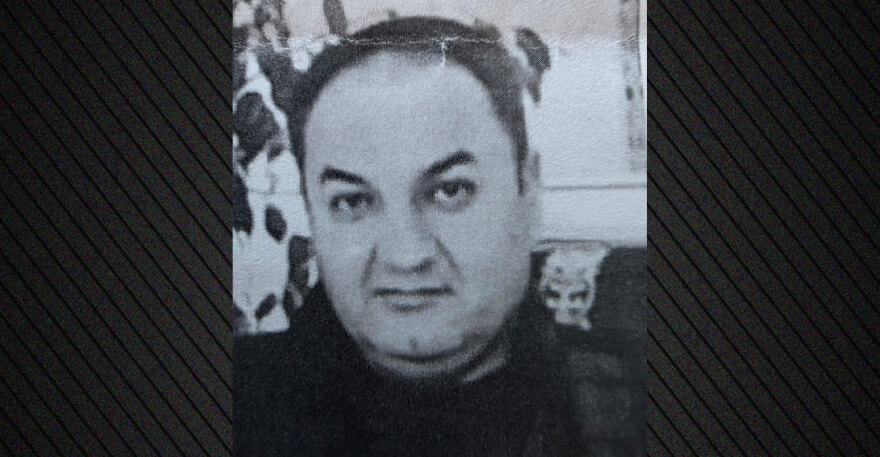
The group was allegedly acting on direct instructions from an Iranian national, Edris Jahangiri Mavaneh, who is described as an associate of the Iranian regime and is linked to Naji Sharifi Zindashti, described as a drug lord.
Its members had allegedly already carried out preparatory work and organised logistics. Searches turned up weapons, ammunition, handwritten notes and maps marking locations linked to the planned attack.
Roots in the Bosnian war
The columnist sees the case not as an isolated incident but as the latest sign of an Iranian presence in the Balkans rooted in networks set up more than three decades ago. During the Bosnian war, units of Iran’s Revolutionary Guards (IRGC) used Balkan trafficking networks to send about 14,000 tonnes of weapons to Bosnian Muslim forces through Croatia between May 1994 and January 1996, according to figures cited in the article. The smuggling routes allegedly allowed Tehran to build long-term links with intelligence and organised crime networks, which regional authorities never fully dismantled, it says.
(information from the Times of Israel)

