


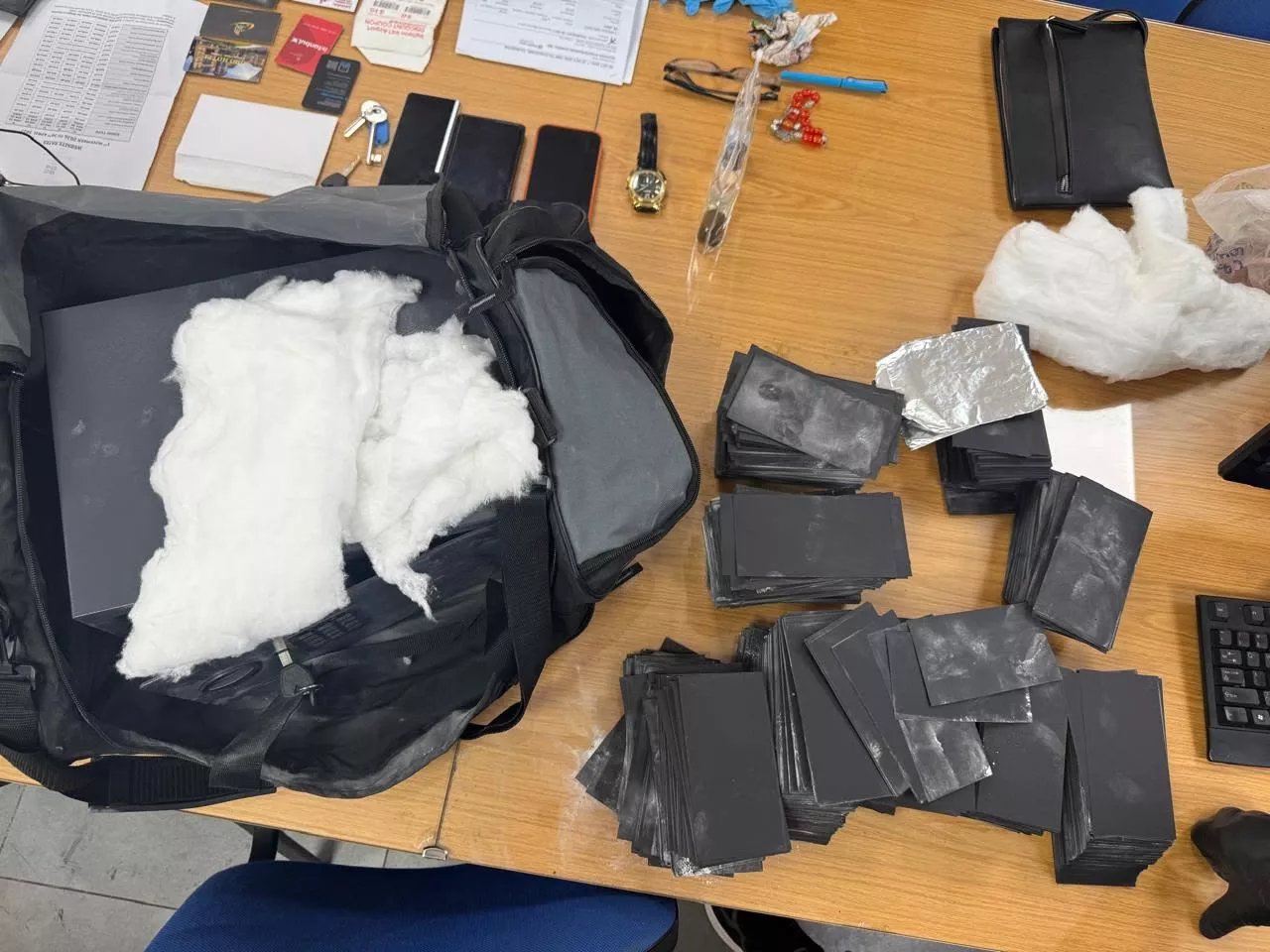
Police are trying to establish whether businesspeople or others in Cyprus have paid money to fraudsters running a ‘black money’ scam, after a 47-year-old man was remanded in custody for eight days in Limassol.
Limassol CID investigators are in contact with police in other districts to find out whether similar cases or complaints have been recorded. So far, no one in Limassol has reported paying money to those involved.
How the scam works
Limassol police spokesman Lefteris Kyriakou, an assistant police director, described it as a well-known method of fraud that is also used abroad, adding that Cypriot authorities have dealt with similar cases before.
The fraudsters mainly approach businesspeople, claiming to have a large sum of money in banknotes that have been dyed black and can be restored with special chemicals. They first show their targets a small sample of real banknotes that have been dyed in advance, to convince them the process works. They then claim that a larger quantity of chemicals is needed to process the rest of the supposedly large sum.
At that point, they ask their targets to pay for the chemicals, claiming this will let them restore notes worth millions of euros. In such cases, however, the black papers presented, unlike the small sample, are not real banknotes and cannot be turned into money, Kyriakou said.
He said the fraudsters often come from abroad and phone dozens of businesspeople to try to draw them into the scheme. Many are aware of the method and do not respond, but some people have been deceived in the past.
Police are also looking for accomplices. Kyriakou said such scams are not carried out by one person alone, but by groups working together.

