


By Joan Borrell, UfM Deputy Secretary General for Stability and Resilience
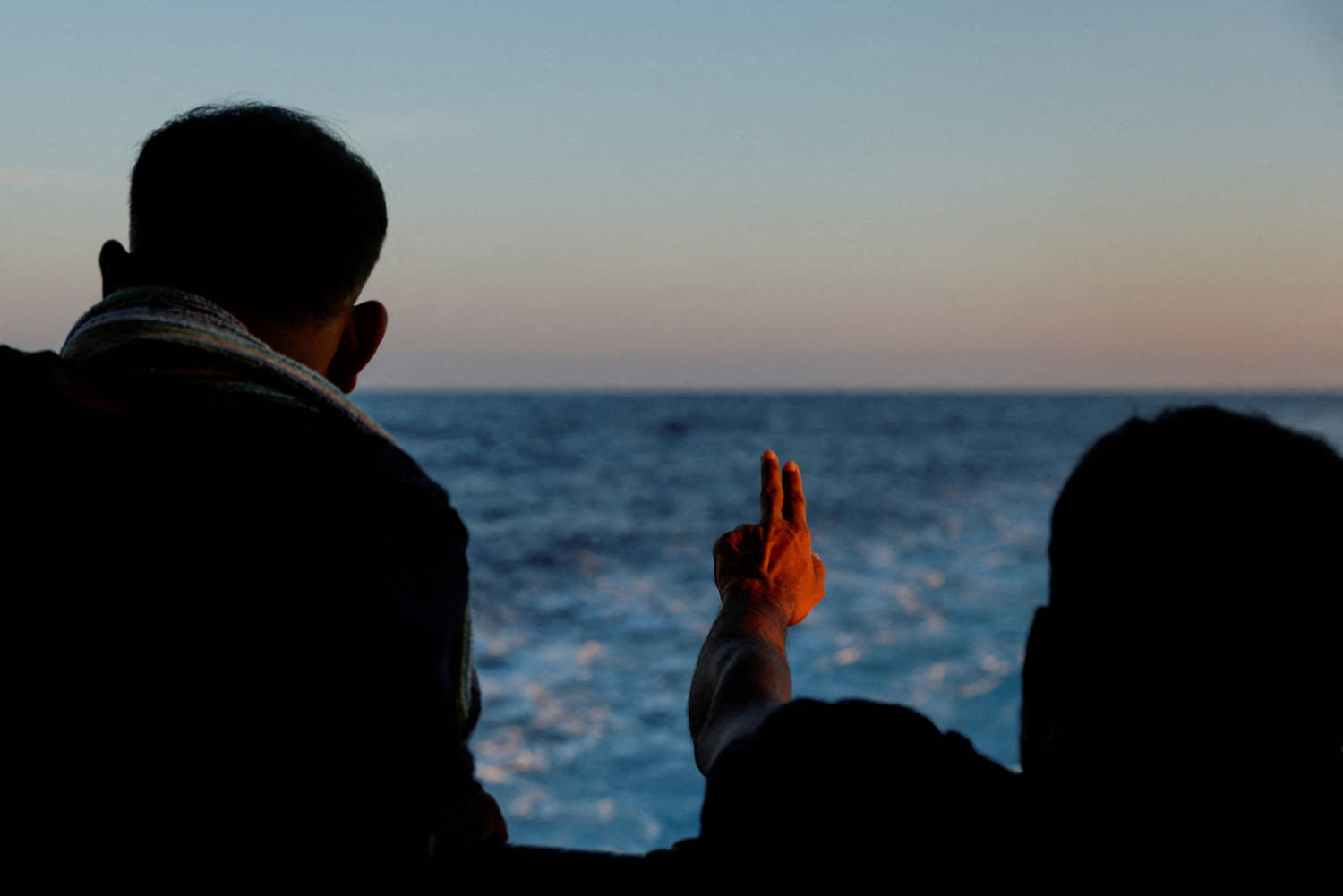
The Mediterranean is one of the world’s busiest and deadliest migration routes, and over the past four decades more than 2.5 million people have crossed the sea in search of a better future in Europe. The human cost of this is staggering: 30,000 dead or missing attempting to make this journey between 2014 and 2024.
Contrary to the prevailing narrative in Europe, however, migration in the wider Mediterranean region is not exclusively directed towards the continent. Recent figures show the extent to which people also move within and between the countries of the Middle East and North Africa, home to 9.4 million refugees – more than a quarter of the global total.
At the same time, lurking behind these figures exists another major risk: the Mediterranean is a climate change hotspot, one that is warming 20% faster than the global average. The region has already surpassed the 1.5ºC limit set by the Paris Agreement and, if current trends continue, could be a full 6ºC warmer than pre-industrial times by 2100. Faced with this stark reality, is it not reasonable to expect migration could also increase as more and more people see their livelihoods at risk?
The latest scientific report by MedECC, the Mediterranean Experts on Climate and Environmental Change network supported by the Union for the Mediterranean, which was presented today at COP31 in Antalya, suggests precisely this. It warns that deteriorating environmental conditions could drive further migration across the region unless truly effective adaptation and mitigation measures are prioritised. At present, cross-border migration is more strongly driven by factors such as a lack of economic opportunity, instability or conflict. Yet rising sea levels, extreme weather events and resource scarcity could increasingly become drivers of human mobility.
Are we, therefore, at risk of entering a vicious cycle? Global warming threatens vital sectors such as agriculture, fisheries, tourism and energy, limiting development opportunities and fuelling instability in a Mediterranean region already marked by deep inequalities. This is particularly concerning along the southern and eastern shores of the sea, where water scarcity and a greater dependence on agriculture have an increased potential to exacerbate existing vulnerabilities.
The scale of this threat can, in fact, be measured: by 2050, more than 20% of marine species harvested in the Mediterranean could become extinct, while agricultural crop yields could fall by 17%. In other words, we are just one generation away from seeing these hazards become a reality unless we act decisively now.
As alarming as this may appear, we do have the necessary tools and knowledge to address this cross-border challenge, but it requires moving beyond national, security responses that focus exclusively on security. This means prioritising strategies including investment in green infrastructure, climate-resilient agriculture and sustainable water management – the very aim of the Rome Initiative on Water, launched by UfM environment ministers in late September, to finance the sustainable water systems our region so urgently needs.
At the UfM, we know that climate change knows no borders, and that the countries least responsible for it are often those bearing the heaviest burden. To draw attention to this, we are once again hosting the Mediterranean Pavilion at COP31, the first UN climate conference of its kind to take place on the shores of our shared sea. Bringing together Mediterranean countries, scientific experts including MedECC, the private sector and civil society, it allows them to showcase their climate action commitments, ensuring that our region’s unique challenges are reflected in global climate processes. With this same goal in mind, the UfM spearheaded the Antalya Mediterranean Climate Dialogue consultations this summer to come to the conference with a united Mediterranean voice.
At the end of the day, climate change, and its potential to fuel migration, reinforces the need for comprehensive approaches that foster regional development, cooperation and integration. In a region as interconnected as ours, we simply cannot separate the health of the planet from the health of Mediterranean communities. There is no escaping the fact that protecting the environment means protecting the future of all Mediterranean people, countries and economies.

