


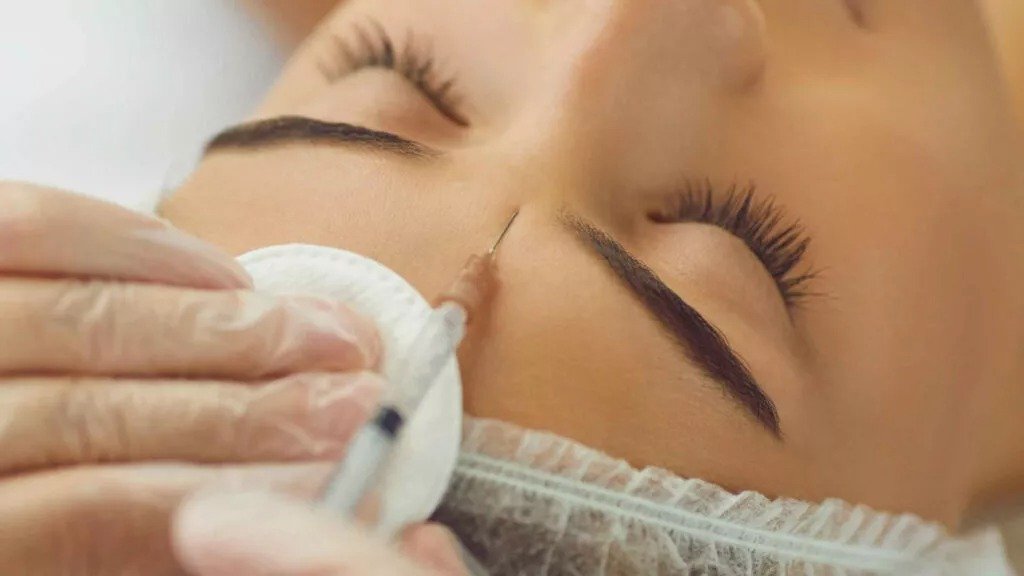
Imports of unlicensed injectable products for cosmetic procedures have surged in Cyprus in recent years, the director of the Pharmaceutical Services, Elena Panayiotopoulou, said on Friday, adding that checks are carried out on the basis of information, suspicions or complaints.
Speaking after unlicensed injectables were recently found in a passenger’s luggage at Larnaca airport, Panayiotopoulou said the passenger had advertised on social media that they were coming to Cyprus to carry out cosmetic procedures and had invited the public to book appointments.
It is not possible to check every passenger, she said. When there is relevant information or suspicion, the Pharmaceutical Services report it to the Customs Department, which checks luggage and seizes such products if any are found.
Inspections of medical practices and other premises also follow specific complaints, she said, as it is not possible to inspect every beauty salon, gym and hairdresser.
“Pharmacist inspectors are not police officers. And I want to stress that,” she said. Their job is to establish whether the medicinal products they find are licensed in the Republic of Cyprus, and the police and the Customs Department can ask for their help in verifying products during their own checks.
Inspectors carry out checks with their official identity cards, she added, and it is not their job to disguise themselves or hide in order to inspect.
Asked whether the limits on checks were due to the law or to staff shortages, she said it was mainly a matter of organisation. Inspections of pharmacies and of clinics with their own pharmacies are mandatory, while in other cases the service follows European guidelines and good inspection practice.
Complaints may come from competing professionals rather than from people who have had cosmetic treatments, unless those people suffer side effects, she said. Complications leading to hospital treatment may involve the police and the Pharmaceutical Services.
Asked about possible gaps in the law, she said legislation must adapt to developments in society, noting that cosmetic procedures are far more common than five years ago. Any change to the law requires procedures such as a public consultation and an impact assessment, she said.
She urged the public to go to doctors for cosmetic treatments and to ask about the products used, saying patients have the right to ask which medicinal product is being used and whether it is licensed.
(information from the Cyprus News Agency)

