


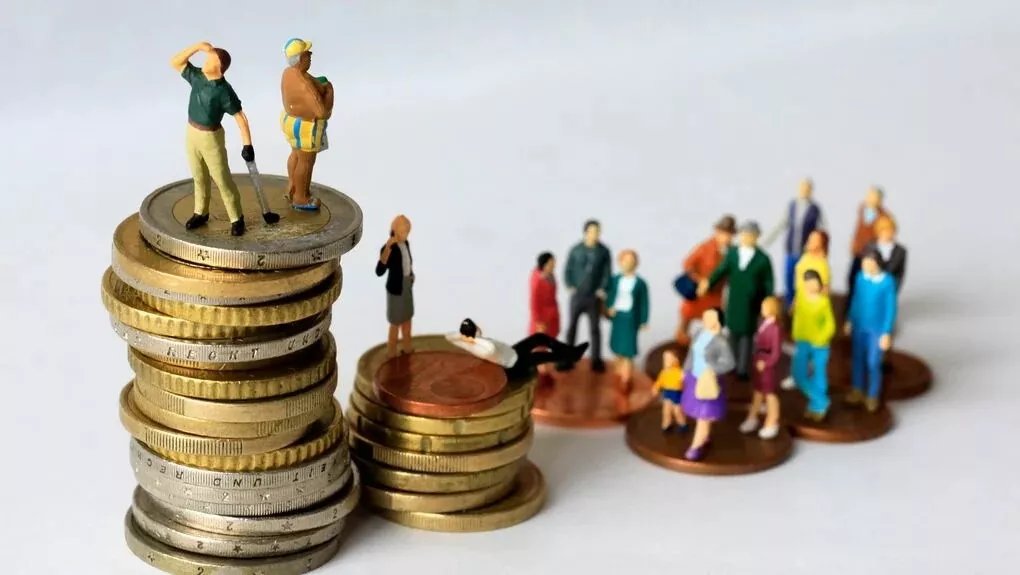
The Cypriot economy is growing. The public finances are in surplus. The economic indicators paint a positive picture. Wealth is on the rise. A foreign visitor who looked no further would come away convinced they had found a vigorous economy and, by logical extension, a prosperous society. But that impression is a grand illusion. It has nothing whatsoever to do with the harsh reality facing a very large share of the population. The reason is simple: behind the shop window of prosperity lie vast inequalities, with poverty a permanent nightmare for tens of thousands of people.
The Eurostat figures, which philenews published a week ago, are revealing. The Gini coefficient, which measures inequality in how income is distributed, rose in Cyprus from 30.1 in 2024 to 31.2 in 2025. That 1.1-point rise is not just a shift in the statistics. It is a warning for social cohesion. And it looks even more alarming when set against the European trend. While the index fell across the European Union from 29.4 to 29.2, Cyprus went the opposite way. Our country now ranks among the five member states with the widest income inequality.
No amount of trumpeting growth can hide that harsh reality. An economy can be thriving on paper while people struggle to get through the day.
Inequality is not a static number. It comes with side effects. And it does real damage. Figures from the Statistical Service show that 17.1 per cent of the population, around 167,000 people, are at risk of poverty or social exclusion. The rate was unchanged from 2024.
Meanwhile, the at-risk-of-poverty rate after social transfers rose from 14.6 per cent to 14.9 per cent. The poverty threshold, set at 60 per cent of median total equivalised disposable household income, was calculated in 2025 at 13,240 euros for a single-person household and 27,803 euros for a household of two adults and two children under 14. The threshold was up 6.8 per cent on 2024.
Behind these numbers are workers who can’t meet their obligations. Families cutting back on the basics. Young people struggling to see a future. Pensioners watching their income evaporate.
Growth is no economic success story when most of society lives with insecurity day in, day out. So the crucial question is not whether wealth is being created. It is who gets to pocket it. Rising GDP is not enough if the benefits of growth pile up disproportionately in certain income brackets. Surpluses are not enough if they don’t translate into better living conditions for every citizen.
Economic policy cannot begin and end with fiscal discipline. It needs a social conscience. It needs real support for low and middle incomes, tax fairness, effective social benefits and policies that protect households’ purchasing power. We are not writing off what is being done. But we need a new way of thinking about how the wealth we produce is shared out.
Social transfers, after all, prove that policy can make a difference, as the Statistical Service rightly points out. In 2025, the at-risk-of-poverty rate before social transfers stood at 33.6 per cent. Once pensions and social benefits were paid, it fell to 14.9 per cent. That is a huge gap. It shows, beyond any doubt, that social policy is not a luxury but an essential tool for reducing inequality.
This is the heart of the political debate that must open ahead of the 2028 presidential elections. Every candidate asking for people’s votes owes them a comprehensive plan for turning economic growth into social wellbeing.
Not vague promises. Not just numbers and fiscal targets. Concrete policies for workers, families, low-income pensioners and the middle classes, who carry a disproportionate share of the burden.
The true measure of an economy should not be how much wealth it creates, but how fairly it shares it out. It is high time politicians got it into their heads that growth without social justice is only half a success. It is prosperity papering over the real wounds.
So let us be clear: in 2028, voters must not simply be asked to choose who can best manage the economy. They must decide who can make sure that growth benefits everyone, that the economy grows for the sake of society, and that the most vulnerable are not sacrificed to keep the numbers looking healthy!

