


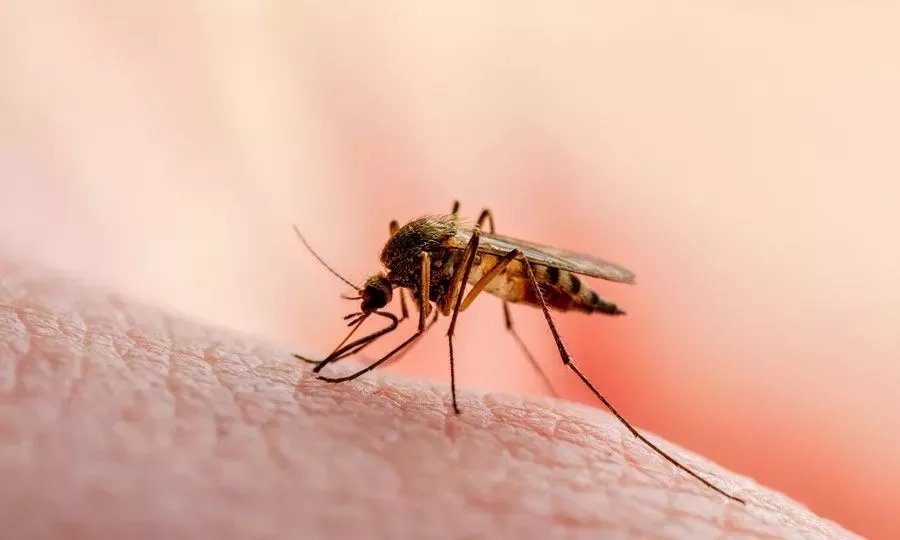
Cyprus has recorded 21 locally acquired cases of West Nile virus this year, up from 13 in the previous monthly count, according to the European Centre for Disease Prevention and Control (ECDC). The centre’s figures, which cover the period to 14 October 2026, show cases in the EU and European Economic Area at a record for this time of year.
The ECDC lists one affected area in Cyprus. The data for Cyprus may have changed since the authorities last updated the centre.
In Cyprus, where blood supply is already a concern for the authorities, donated blood is tested for West Nile virus, among other things, at certain times of the year. The tests are necessary because many infected people may have no symptoms.
Blood safety
Blood safety has come into focus as the virus spreads. The ECDC says that although the virus is transmitted mainly through the bite of an infected mosquito, it can also be passed on through transfusion of infected blood, which makes specific precautions necessary.
National services are called on to monitor areas with local transmission so they can decide whether to test or temporarily defer blood donors who may have been exposed to the virus. Under the European blood safety framework for these areas, donors are deferred for 28 days after leaving a risk area, unless an individual molecular test comes back negative.
The centre says the measure is meant to protect blood recipients and does not mean that every donor who has been in an affected area is infected. It is particularly important for patients who need regular transfusions, since an adequate blood supply must go hand in hand with protection against infections that can be passed on through transfusion.
Europe
Across 19 European countries, 1,926 locally acquired human cases had been recorded by 14 October, according to the ECDC’s latest weekly report. Italy has recorded the most cases, 764, followed by Greece with 455, France with 159, Spain with 141 and Romania with 121.
Local transmission has been recorded in 222 European regions, 14 of them added in the past week. This season has also seen the virus spread to northern Europe, with cases in the Netherlands and in Belgium, which this year reported locally acquired human infections for the first time.
Despite the rise in cases, the centre has found no sign that the disease has become more severe. According to its monthly report, 77 per cent of reported patients were hospitalised and 57 per cent had neurological symptoms, both lower than the averages for the previous decade. Most recorded cases were in men aged 65 and over.
The monthly report, with data to 7 October, recorded 130 deaths in 13 countries, including 56 in Italy, 46 in Greece and 10 in the Netherlands. The latest weekly report does not include an updated death toll.
The earliest symptom onset among recorded patients was on 22 May in Italy, and the latest included in the monthly report was on 30 September, also in Italy. Surveillance is continuing, as further cases may be recorded in the coming weeks despite the seasonal decline in activity.
Recommendations
The ECDC’s recommendations focus on maintaining surveillance, detecting cases early and effectively controlling the mosquitoes that carry the virus. It warns that West Nile virus circulation varies significantly from year to year, so it is not possible to predict how the season will develop.
In a statement accompanying the monthly report, Ole Heuer, a head of unit at the ECDC, stressed the importance of preparedness. Early detection, greater awareness and effective mosquito control can limit the impact as the virus spreads to new areas, he said.
The centre also says differences in case numbers and fatality rates between countries cannot be interpreted without taking into account their different surveillance practices. The sensitivity of reporting systems, including the screening of blood donors, affects which cases are detected and reported, it says.
The monthly report recorded 510 outbreaks in horses and other equids and 591 in birds. The virus has also been detected in horses in Cyprus. The ECDC and the European Food Safety Authority (EFSA) combine data on humans, birds and horses to monitor the virus more fully and support the decisions of health and veterinary authorities.

