


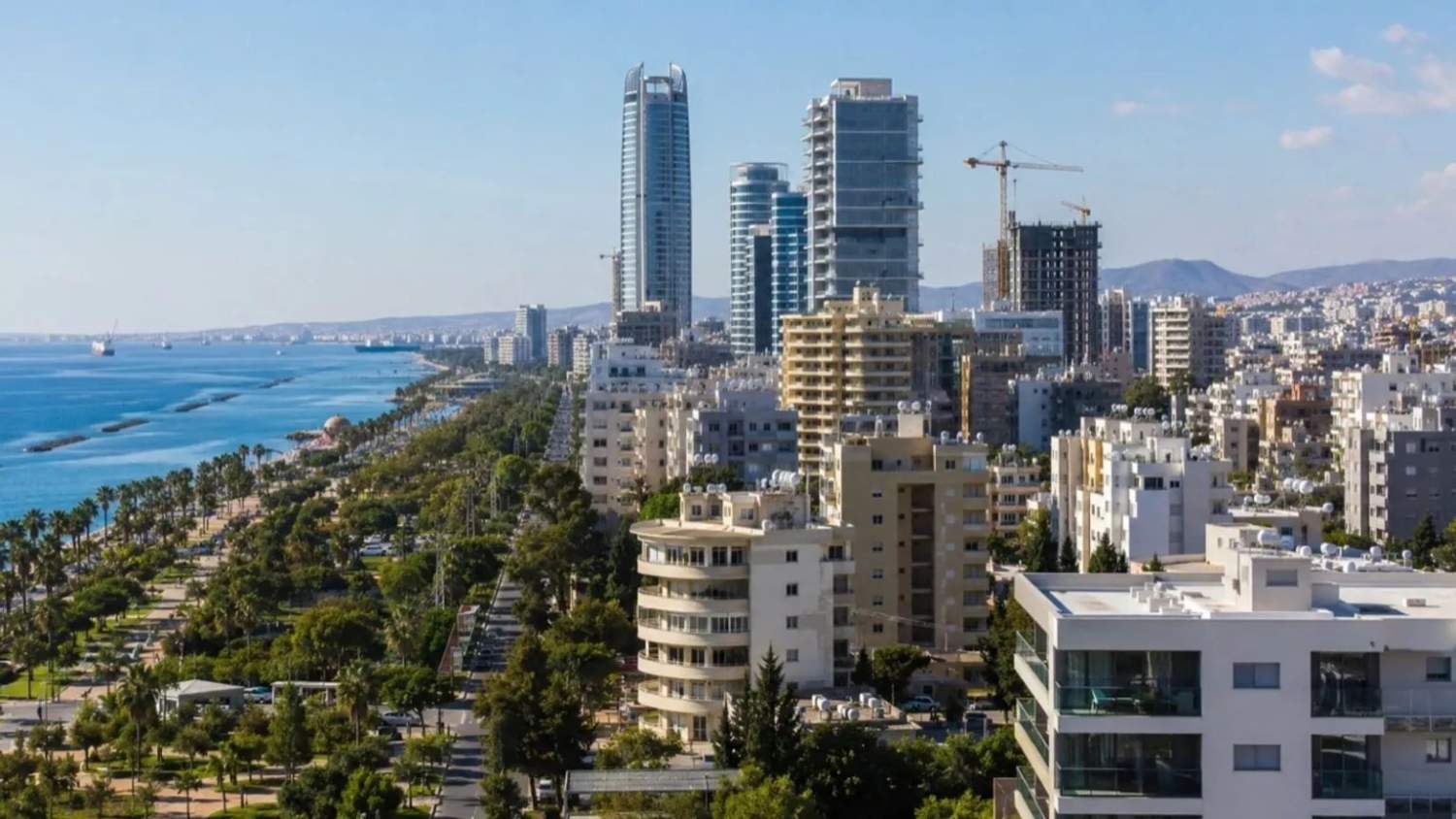
Limassol district ranked first in Cyprus in the first half of 2026 for the value of building permits issued, the total area licensed and the number of new homes approved, according to Statistical Service (Cystat) figures.
Permits were issued for 3,527 new homes in the district, up 61.94 per cent from 2,178 in the same period of 2025. That was 31.8 per cent of the 11,099 homes licensed countrywide.
The value of approved permits in Limassol reached 853.24 million euros, up 34.54 per cent from 634.20 million euros a year earlier. This adds 219 million euros of new projects and gives Limassol 33.2 per cent of the national total.
The licensed area rose 34.69 per cent to 719,944 square metres, from 534,531 square metres, or 34.3 per cent of the national total. That put Limassol 87,800 square metres ahead of Nicosia, which recorded 632,145 square metres.
Countrywide, the value of building permits rose 48.15 per cent year on year to 2.57 billion euros in the first half of 2026. The licensed area increased by 47.06 per cent to more than 2.09 million square metres.
Phileleftheros obtained the figures from the Limassol DLGO. They show approvals in the district rose sharply in May and June 2026, more than doubling compared with the same months of 2025. The organisation processed more building permit applications, which is among the factors behind the results.
“The whole city is one huge building site, with buildings springing up on every corner,” Limassol DLGO president Giannis Tsouloftas told Phileleftheros.
He said quick and efficient processing of permit applications was crucial to attracting investment and sustaining the district’s growth, while also boosting construction and the wider economy.
Tsouloftas said the organisation was gradually establishing itself and making the licensing process more efficient. He added that its performance was expected to improve further by the end of 2026 to keep pace with Limassol’s rapid growth.
He attributed the progress to careful, methodical and evidence-based management and to an effective organisational structure in its licensing department, which he said delivered results without unnecessary cost. The aim was a financially and operationally sustainable organisation in the long term, he said, not hasty or showy moves or short-term gains that could cause problems later.
The DLGO’s sound finances were a significant advantage, Tsouloftas said. They are expected to support major development projects and investment in the organisation’s digital transformation, to modernise its services and meet the district’s growing needs.
Read more:

