


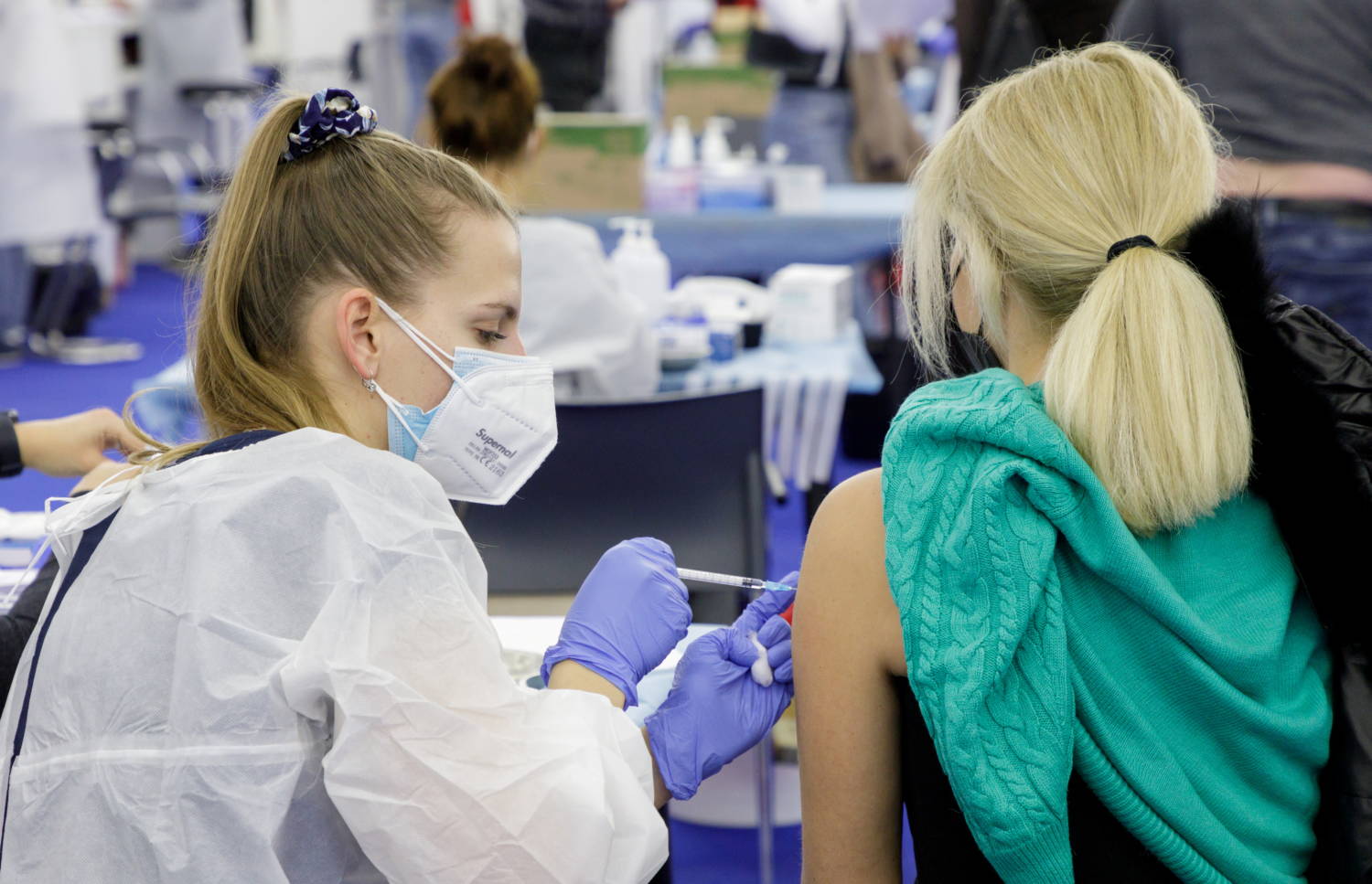
Private pharmacies are expected to receive 10,000 doses of flu vaccine within the next two weeks, the Ministry of Health told pharmacists in writing on Friday. The announcement comes a week after orders for thousands of doses of Viatris’s Influvac for the 2026-2027 season were cancelled, causing disruption in the private market.
According to the letter, sent to the Pancyprian Pharmaceutical Association, the supply of 10,000 doses of Vaxigrip TIV through Sanofi’s local representative has been approved. The doses have been secured by the ministry, and pharmacists should place their orders directly with the representative. The Vaxigrip doses are an alternative arrangement to cover part of private pharmacies’ needs.
Public sector order
The 110,000 Vaxigrip doses ordered for the public sector have yet to arrive. On Saturday, the ministry’s deputy director-general, Elisavet Konstantinou, said they had been released by the manufacturing plant and were expected in Cyprus within two weeks.
Some 60,000 doses of Efluelda, an enhanced flu vaccine intended for older people, have already been delivered.
Supply problems in Europe
Several European countries are also facing delays and adjustments to flu vaccine supplies this season. In Bulgaria, the pharmaceutical association announced on 15 October, citing Viatris, that Influvac would not be available on the private market this season and that available doses would go to national vaccination programmes.
In Austria, delays in supplying large quantities of Influvac have led to changes in vaccination planning and affected scheduled vaccinations in some regions. Slovenia’s National Institute of Public Health has postponed the start of flu vaccination from 20 October to 2 November because of delivery delays, while in the Netherlands, delays have affected national vaccination planning and shipments to GPs. Swedish regional health authorities have changed schedules for certain age groups and health workers, giving priority to the most vulnerable.
Similar problems with specific products or distribution channels have been reported in Ireland, Germany, Norway and other European countries. The picture is not uniform, however: some countries have secured alternative supplies, while in others the delays affect specific vaccines rather than whole vaccination programmes.

