


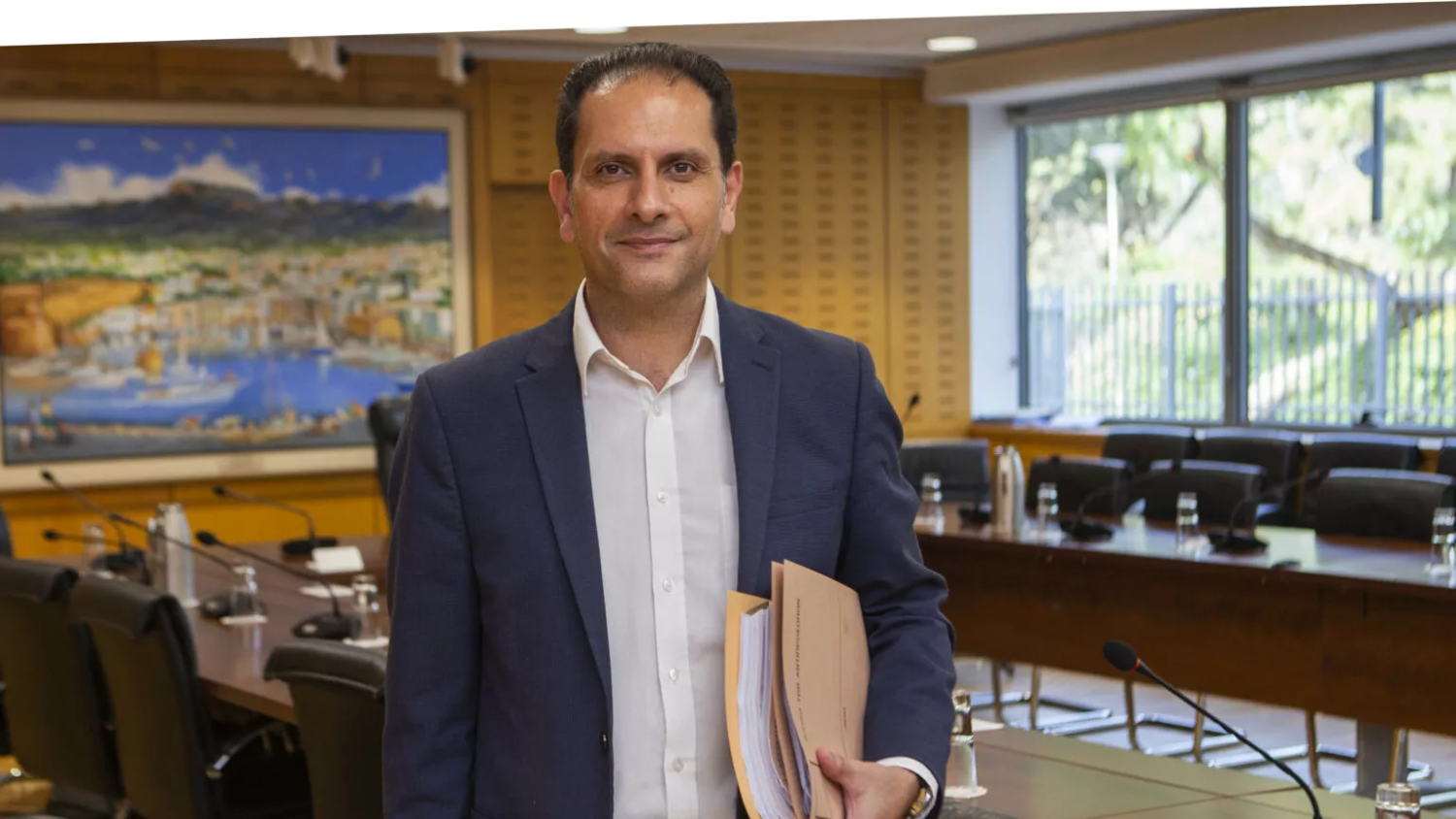
Political leaders are telling some people they will reward them for spreading their social media posts, the chairman of parliament’s Interior Committee, Aristos Damianou, claimed on Thursday, as the committee debated changing the law that makes election-day political posts by citizens a criminal offence.
Damianou said political leaders approach people and tell them: “If you share my post widely, I will reward you.” On election day, politicians are not allowed to urge voters to back a particular party or candidate themselves.
The committee was discussing two law proposals, one by AKEL and one by ALMA leader Odysseas Michaelides, on criminal offences committed by citizens who post political content on election day. The debate follows police calls to citizens to give statements about posts they made on the day of the last parliamentary elections.
Damianou described those phone calls from police headquarters as terrorising citizens. In recent weeks, he said, people had been summoned to police headquarters to explain posts made before or on election day, under an outdated provision of the electoral law.
Citizens must respect the law, he said, but common sense should prevail rather than provisions that do not meet the needs of a modern society.
The AKEL proposal draws a distinction between public figures and ordinary citizens and decriminalises the existing provision, replacing it with an administrative fine of up to 5,000 euros, Damianou said.
‘Selective’ prosecution
Michaelides said he was surprised that citizens were being prosecuted when there had been thousands of posts around election day.
He said a website had published exit poll results on election day and later taken them down, and that former president Nicos Anastasiades had made statements in breach of the law by urging people how to vote. The authorities took no action in that case, Michaelides said.
Parties phone thousands of citizens to influence them or urge them to vote, which is legal as long as they hold the phone numbers lawfully, he said, unless questions are raised over how the numbers were obtained under data protection rules. Nobody objects to that, he said, yet a citizen’s post is treated as a problem, and “we do not prosecute them all, as a state, but choose who to prosecute.”
DIKO leader Nikolas Papadopoulos said society faced a clash between two core principles: citizens’ freedom of expression and safeguarding the orderly conduct of elections. Both mattered, he said, but the law needed modernising, as those who passed it did not have social media in mind.
DIKO had put the issue on the committee’s agenda, he said, because it wanted an explanation of how the 27 people being prosecuted, if he was not mistaken, had been chosen, when far more had posted on election day. Selective prosecution undermines the rule of law and the democratic functioning of the state, he said.
Papadopoulos said everyone could agree that “democracy cannot be so fragile as to be undone by citizens’ statements on election day,” and that common ground could be found to protect both the electoral process and citizens’ right to express views on political issues.

