


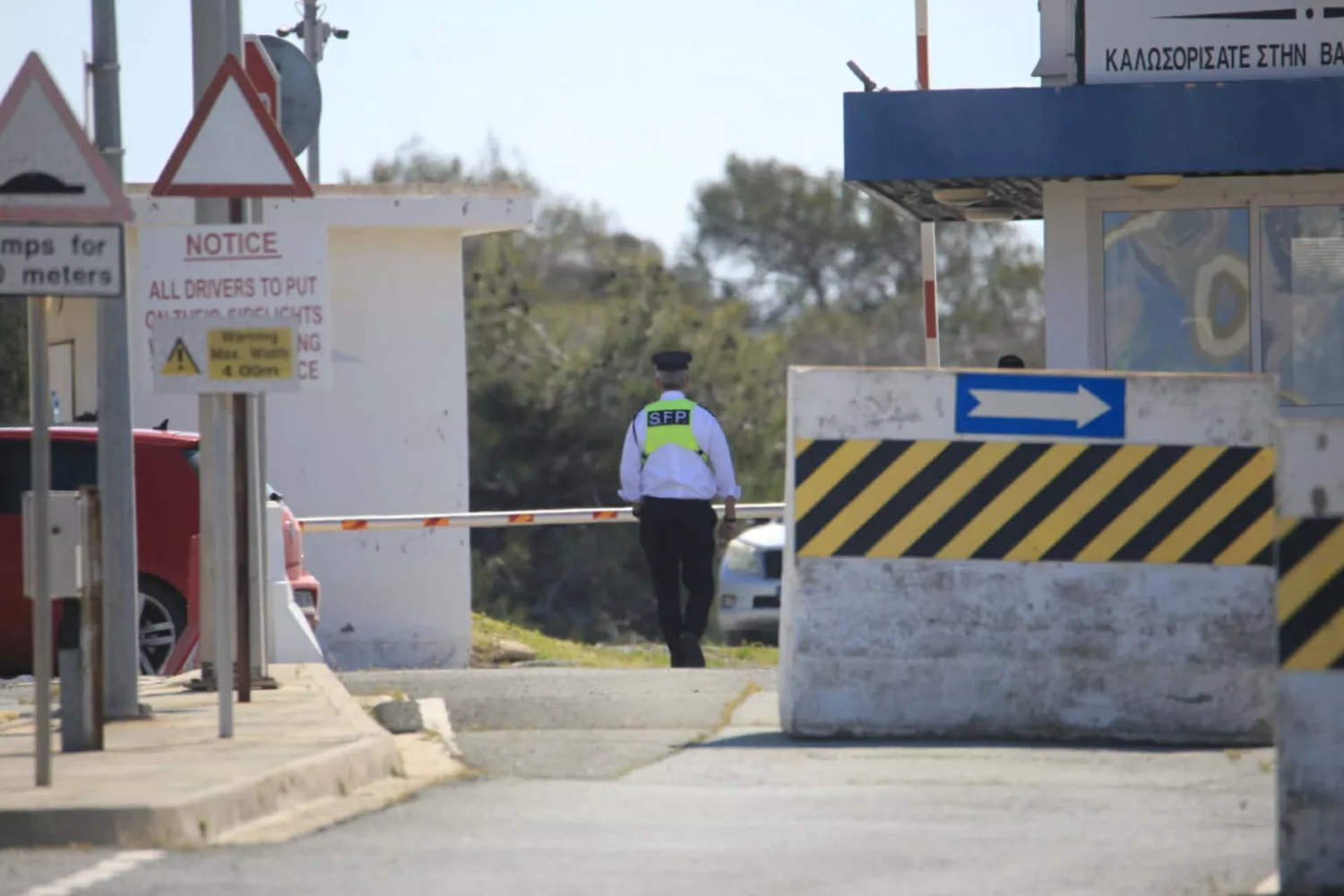
The Federation of Environmental Organisations of Cyprus (OPOK) on Wednesday called for a full environmental assessment and public consultation before any final decision on British Bases plans to install new antennas at Merra, Akrotiri. It warned of risks to birds, wetlands and coastal habitats in an area it said was already under multiple pressures.
In a memorandum submitted to the parliament’s Environment Committee, the federation said all the necessary studies must be carried out, the required environmental and ecological assessment procedures completed and the relevant approvals and permits secured. The assessment should cover the whole project, including its supporting infrastructure, and be carried out transparently with meaningful public consultation, it said.
The potential effects on the environment, public health and residents’ quality of life must be fully examined on the basis of specific, verifiable data before any final decisions are taken, the federation said. It called on the competent authorities and the Sovereign Base Areas Administration (SBAA) to work together to ensure all necessary procedures are followed without creating a fait accompli.
Cumulative pressures
According to the federation, the Akrotiri peninsula is already under pressure from military installations and exercises, telecommunications systems, expanding infrastructure and large-scale developments in the wider area. It said habitat loss and degradation, the fragmentation of habitats and the displacement of wildlife made an overall assessment of activity on the peninsula all the more necessary, and that the new installations should be assessed together with existing and planned activities and infrastructure to capture their cumulative impact.
Birds and wetlands
The federation said it was particularly concerned about possible risks to birds, as Akrotiri is an important area for breeding, wintering and resting during migration. Telecommunications installations and power pylons create a risk of collisions, which it said must be examined specifically for this project using adequate data on seasonal migration. The possible loss or degradation of sites used by birds, and disturbance during both construction and operation, should also be assessed.
It said preserving hydrological conditions was equally important. The peninsula’s habitats are linked directly or indirectly to its wetlands and are highly sensitive to changes in the quantity and quality of water, and changes in land use, impermeable surfaces and interference with natural runoff can affect the whole wetland system. Excavations, foundations, access roads and other supporting infrastructure should therefore form an integral part of the assessment, including their possible effects on surface water and groundwater, natural water flow and wetland habitats. Similar attention is needed along the Merra coastline, taking erosion into account and protecting coastal and sand dune habitats from further degradation.
Protection should cover the entire wetland system and its catchment, including areas under the control of the Republic of Cyprus that affect wetlands within the British Bases, the federation said, adding that its long-standing position was the long-term, effective protection of the whole peninsula.
It also said residents, local authorities and environmental organisations must have access to the relevant studies and information, be informed in good time and be able to take a meaningful part in the public consultation, with their views and concerns given reasoned responses before any decisions are finalised.
Background
Phileleftheros has previously reported that the British Bases plan to install 32 additional antennas in the area and intend to compulsorily acquire about 4,896,000 square feet of community land for the project. Residents, who point to what they describe as elevated cancer rates in the community, have opposed the plans, and Kourion Municipality and the Merra Akrotiri Management Committee have launched separate legal challenges, with the municipality seeking to take the matter to the European Court of Human Rights.
The SBAA has described the works as the modernisation of existing infrastructure at the Akrotiri Salt Lake site, saying any land acquisition would follow established legal and administrative procedures. It cited a 2007 study that it said found no excess of cancer.
According to information gathered by Phileleftheros, the municipality has received assurances that no work will begin until all required public health and environmental impact studies have been completed and approved.

