


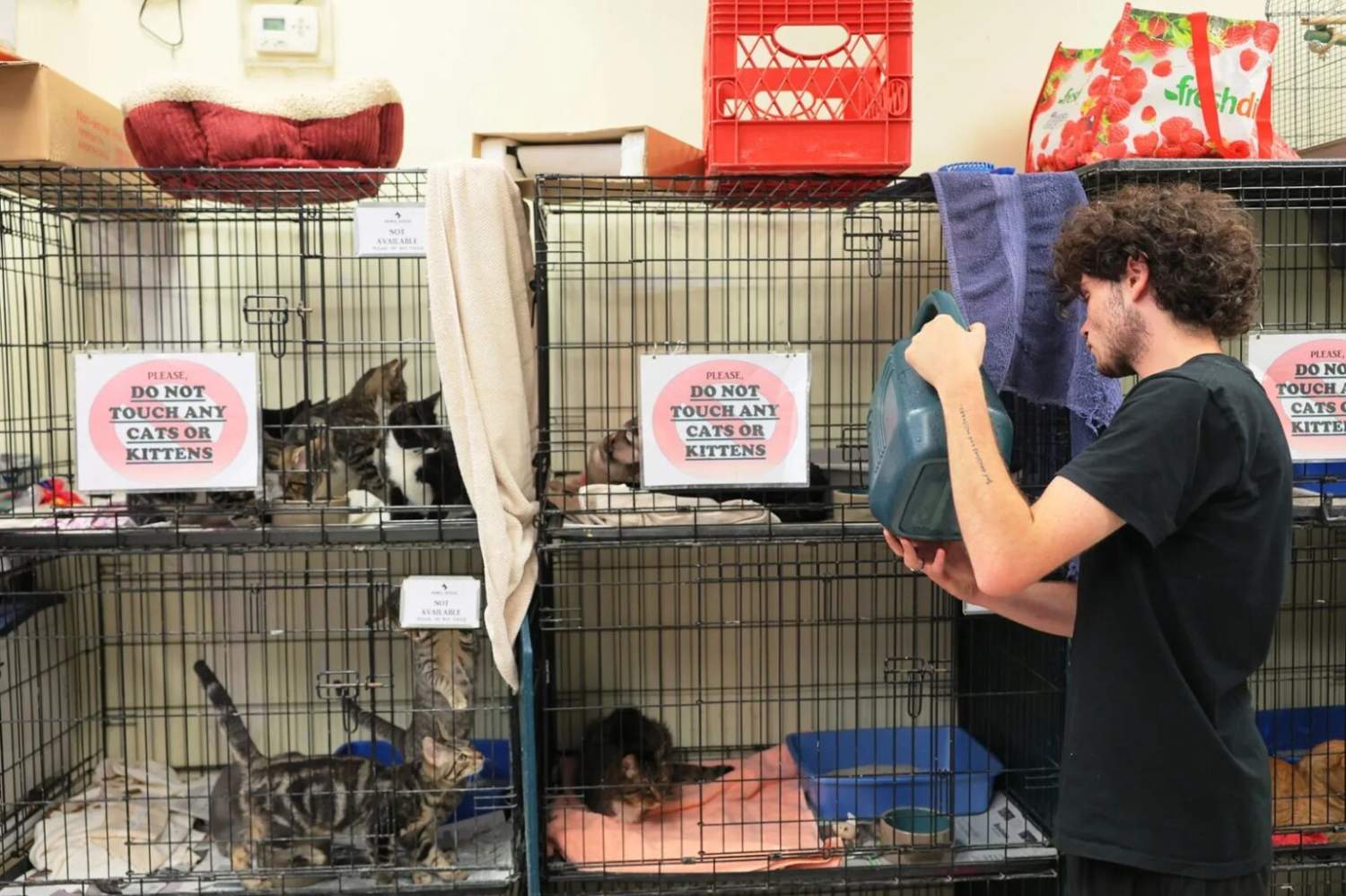
New EU rules will gradually make microchipping and registration compulsory for cats as well as dogs, while introducing stricter standards on breeding, housing, animal sales and welfare across member states.
The regulation, which entered into force on 30 August 2026, requires operators of animal facilities to provide adequate food and water, a suitable and safe environment, appropriate temperature and ventilation, enough space and conditions that allow animals to display normal behaviour.
The changes are particularly significant for Cyprus, where microchipping is currently compulsory for dogs but not cats and where the large stray cat population presents an additional challenge.
Former chairman of parliament’s Environment Committee Charalambos Theopemptou said microchipping was one of the most important changes introduced by the regulation.
“The microchip is one of the most important changes, given that the Regulation introduces the gradual mandatory identification of dogs and cats by chip, as well as their registration in national databases. The purpose of creating databases for identified animals is to strengthen their traceability and make it possible to verify their ownership,” he said.
For stray cats, the regulation allows member states to permit a distinctive cut or notch at the tip of the ear to identify sterilised animals taking part in trap-neuter-return programmes.
Member states must also introduce penalties for breaches of the rules, which must be effective, proportionate and dissuasive.
Theopemptou said the regulation gave Cyprus an opportunity to combine the new European framework with a more comprehensive national strategy for protecting and responsibly managing the island’s particularly large cat population.
According to Theopemptou, animal welfare lies at the heart of Regulation 2026/1818.
Abuse, cruel treatment and abandonment by operators responsible for animals are prohibited under the new framework.
Breeding rules are also tightened. Mating between closely related animals, including parents and offspring or siblings, is banned, with limited exceptions for specific cases involving the preservation of local breeds. Breeding animals to produce hybrids is also prohibited.
Cats may not be bred before the age of 10 months. They may have no more than three litters over a two-year period and, after three litters, must be given a rest period of at least one year. A cat that has undergone two Caesarean sections may not be used for breeding again.
Theopemptou said breeders, pet shops, shelters and other related facilities would also face registration requirements.
“Breeders, shops, shelters and other related establishments are required to notify the competent authorities of their activity, which must be entered in the relevant register,” he said.
The regulation covers the breeding, keeping, placing on the market, traceability and entry of dogs and cats into the EU.
Its definition of placing an animal on the market extends beyond commercial sales to other forms of transferring ownership or responsibility for an animal, including transfers without payment, as well as advertising animals for that purpose.
Common rules for animal protection
The regulation sets minimum living standards requiring facilities to provide enough space and suitable infrastructure for animals to move, rest and display normal behaviour.
For cats, these include hiding places, elevated areas and scratching surfaces or posts.
Keeping animals in spaces or cages that restrict normal movement is also tightly limited. Exceptions apply only for specific temporary needs such as examinations, identification, grooming or medical treatment.
Painful procedures for non-medical reasons are prohibited, including ear cropping, tail docking, declawing or removal of digits and procedures on the vocal cords.
Such procedures may be carried out only where there is a medical reason and where a veterinarian performs them under the required anaesthesia and pain-relief conditions.
The obligations for those placing animals on the market will apply from 31 August 2030. For private dog and cat owners, the requirements will apply from 2036 onwards.
Online advertisements will also have to include a warning on responsible pet ownership, while new owners must receive the animal’s identification and registration details.
From 2031, a unique verification code will also be required, allowing prospective owners to check the authenticity of those details online.
Theopemptou said compulsory registration, stronger traceability and tighter controls on breeding should form part of a broader national policy that also includes systematic sterilisation programmes, management of stray cats and cooperation between the government, local authorities and volunteers.
He said the regulation gave Cyprus an opportunity to combine the new European framework with a more comprehensive national strategy for protecting and responsibly managing the island’s particularly large cat population.
The aim of the new framework is to establish common rules across Europe for animal protection, responsible breeding and tracing the origin and ownership of cats and dogs.
The regulation also requires member states to introduce effective, proportionate and dissuasive penalties for breaches.
For Cyprus, where the ratio of cats to residents is estimated to be among the highest in the world, the new regulation creates a significant challenge, Theopemptou said.

