


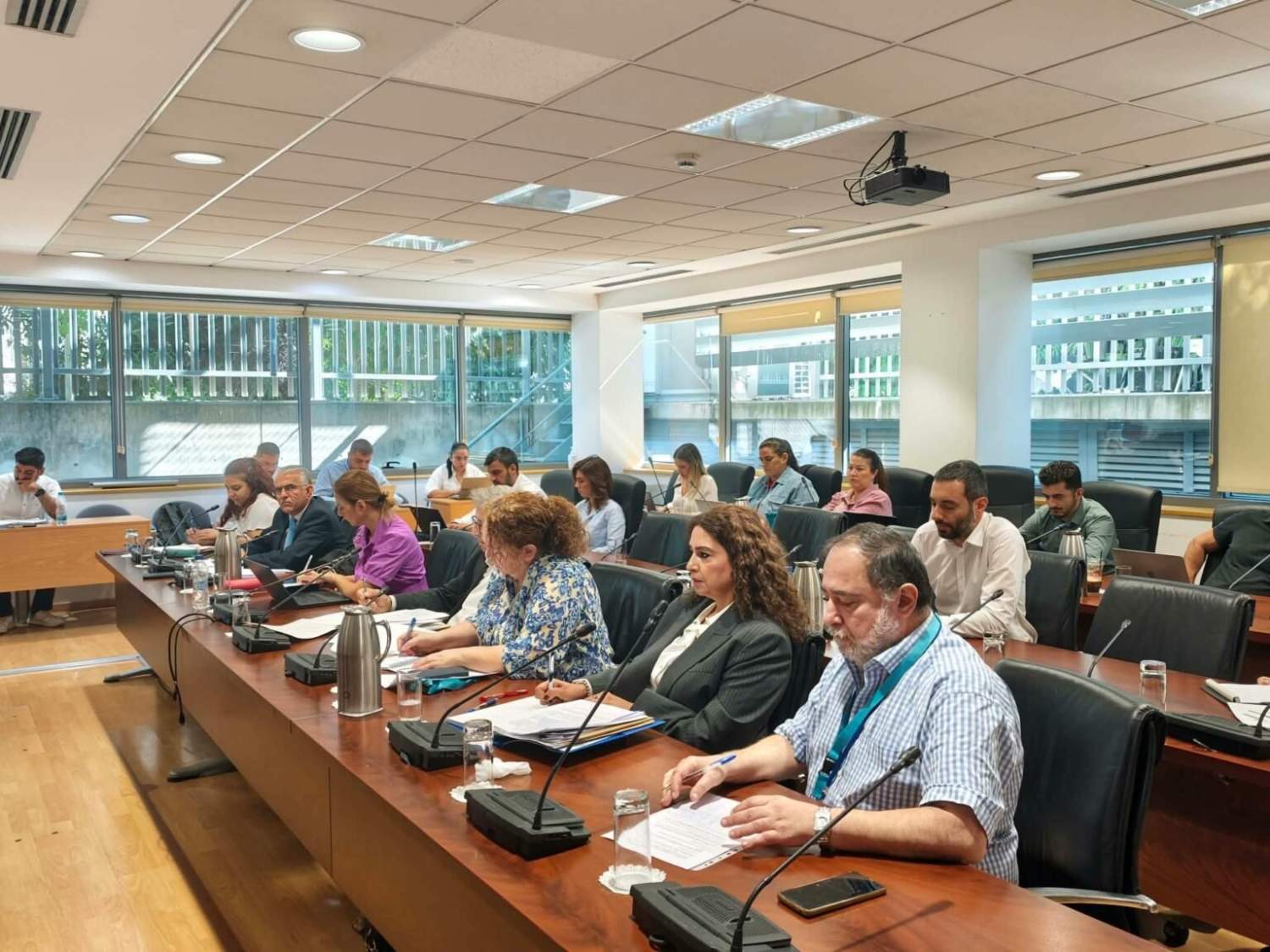
Police are still carrying out a disciplinary investigation into the leak of a photograph of the body of murder victim Stavros Demosthenous from the morgue, almost a year after his killing, a police representative told the House Human Rights Committee.
Demosthenous was murdered on October 17, 2025, and the photograph was leaked from the morgue at the time, committee chairman Christos Christofides said. However, on May 6, 2026, the Law Office of the Republic found that no criminal offences arose. Thomas Hadjikyriakou, representing the police, said the disciplinary investigation was continuing.
The case was reported to the committee as one of several serious breaches of the rights of victims of violence and crime and their families. The discussion showed that laws, regulations and guidelines are in place but in many cases are not applied. “One of the serious issues we face is whether a law is applied. There is no oversight,” said Alexia Kountouri, representing the Cyprus Bar Association.
Other cases
Other cases raised at the session included the murder in Paphos on December 11, 2011 of Julia Oporok, a pregnant 24-year-old, and her three-year-old daughter. Three days later, the Cyprus Media Complaints Commission criticised the publication of an excessive number of photographs of the two victims in private moments.
On July 24, 2018, a complaint was filed with the commission over an EAC employee killed in a workplace accident in Larnaca, whose death was made public before his family had been told.
After the murder of couple Giorgos Hadjigeorgiou and Dina Sergiou in Strovolos on April 19, 2018, there were interventions because the couple’s son, a minor, was being exposed.
In a child abuse case revealed in December 2025, it was found that so much information had been published that those involved could be clearly identified.
Legal framework
Hadjikyriakou said dignity and human rights are of the utmost importance, which is why provisions have been introduced to protect such data. “Police officers also receive training on ethics and data protection,” he said, adding that any leaks are investigated by police through both criminal and disciplinary inquiries.
Spyros Giallourides, an officer at the Justice Ministry, said such leaks are a traumatic experience for families. He pointed to a recent umbrella law safeguarding the rights of victims and their families. There is also a guide setting out the rights and obligations of victims of violence and crime, as well as the Criminal Code.
“We currently have a legal basis for supporting victims,” he said, adding that the Interior, Labour, Health, Education and Foreign Ministries, the Deputy Ministry of Social Welfare and the police are all involved.
Data Protection Commissioner Maria Christofidou said a breach occurs when people can be identified directly or indirectly. “It must be examined whether revealing their identity is necessary for the purposes of the public interest,” she said. Publication by the media is a separate matter, assessed by different criteria.
Kountouri said that although laws exist, it is unclear whether citizens know their rights. There is no record or mechanism to monitor what happens with the relevant legislation, she said.
She added that it makes a difference whether the victims are alive, and whether the disclosure is on social media, in the media or in private conversations.

