


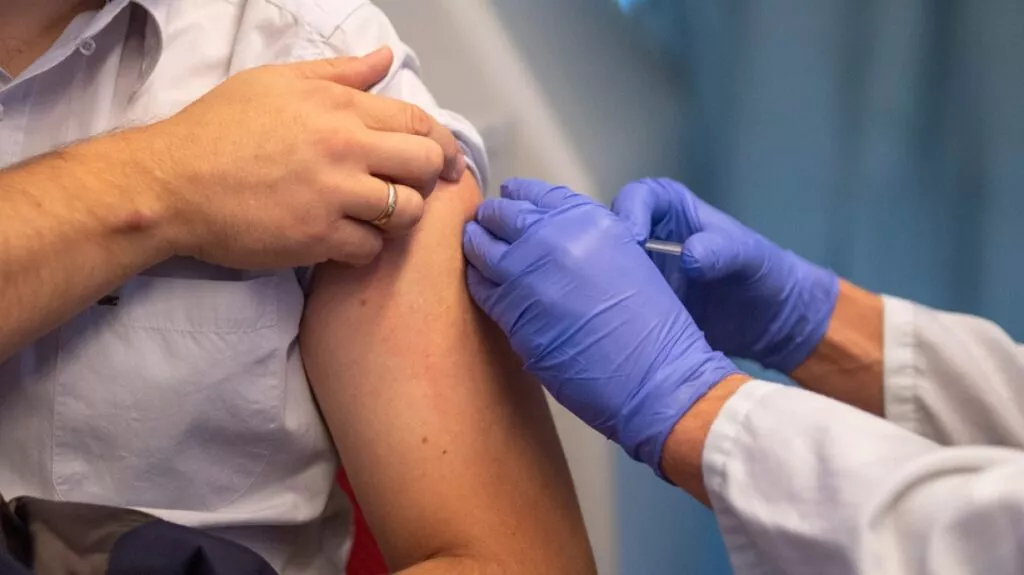
Cyprus’s Health Insurance Organisation (HIO) has informed personal doctors under the General Healthcare System (Gesy) of the Health Ministry’s vaccination plan for this winter.
The plan covers seasonal influenza, COVID-19 and respiratory syncytial virus (RSV), with priority given to people at greater risk of severe illness. Vaccines and preventive treatments for RSV are included in the special 2026-27 plan and, as in previous years, will be provided free of charge by the Health Ministry.
Efluelda first for over-60s
Everyone over six months of age is eligible for a seasonal flu vaccine.
The first vaccinations are scheduled for the first 10 days of October using Efluelda, which will be administered only to people aged over 60, subject to availability. A further announcement will be made regarding Vaxigrip TIV, which can be given from six months of age.
Priority will be given to vulnerable groups and people at increased risk, including those with:
- chronic lung disease;
- serious heart disease;
- immunosuppression;
- a history of transplantation;
- diabetes;
- severe obesity;
- chronic kidney or liver disease; and
- neurological or neuromuscular conditions.
The Health Ministry’s plan also includes pregnant women at any stage of pregnancy, women who have recently given birth and breastfeeding women.
Recommendations also cover children and adults receiving long-term aspirin treatment, people caring for vulnerable patients or in close contact with babies under six months old, healthcare workers and people who live or work in residential or other closed settings.
Personal doctors will determine the order in which patients are vaccinated, taking into account each patient’s medical history and the number of doses available.
The Health Ministry also recommends vaccination for specific groups, including military conscripts, particularly those joining during the winter months, as well as professionals who regularly come into contact with poultry, such as vets and poultry farmers.
As in previous years, Gesy beneficiaries will arrange vaccination appointments with their personal doctor, whether for adults or children.
People who are not Gesy beneficiaries, as well as beneficiaries who choose to receive their flu and COVID-19 vaccines at the same time, will be able to attend Health Ministry vaccination centres.
The HIO has asked personal doctors to order their first Efluelda doses by 27 September, with a maximum of 150 vaccines per order. Distribution is expected to begin between 28 September and 2 October.
In its briefing, the HIO said deliveries are being coordinated by a private company contracted by the Health Ministry and that the organisation itself does not determine exactly when individual medical practices will receive their supplies.
COVID-19: Vaccination centres and home visits
The COVID-19 vaccine is available to people over six months of age, with priority given to vulnerable groups, particularly those aged over 60.
Higher-risk groups include pregnant women, healthcare workers, residents of closed settings and people with serious chronic illnesses or immunosuppression.
People aged over 12 will be able to attend adult vaccination centres without an appointment. Children aged between six months and 11 years will need an appointment at Maternity and Child Welfare Centres.
People attending vaccination centres must present identification, while the required parental consent forms must be provided for children.
Under the vaccination plan, a COVID-19 vaccine can be given four months after the previous dose, while at least three months must pass following a positive test.
People with severe immunosuppression may receive an additional dose four to six months after their previous one, following a written recommendation from their doctor.
Residents of care homes and other closed settings will be vaccinated by nurses at the facilities in cooperation with personal doctors.
Home vaccination against COVID-19 and flu will also continue for bedridden patients through the State Health Services Organisation’s (Okypy) home nursing service.
Applications can be submitted electronically by patients or, if they are unable to do so themselves, by a relative or other person close to them.
RSV: Protection for older people, pregnant women and babies
People aged over 75 are eligible for an RSV vaccine, as are those aged 60 to 74 with risk factors.
These include chronic heart or respiratory conditions, end-stage kidney disease, specific complications of diabetes, chronic liver disease, severe obesity and moderate or severe immunodeficiency. Care home residents are also included.
Pregnant women aged at least 18 can be vaccinated between the 32nd and 36th weeks of pregnancy to help protect their baby.
Under the relevant protocol, the vaccine should be given at least two weeks before delivery to allow enough time for antibodies to be transferred to the foetus.
Newborn babies born between October and March will receive the monoclonal antibody nirsevimab if their mother was not vaccinated against RSV or received the vaccine no more than 14 days before giving birth.
It will be administered before the baby leaves the maternity hospital or as soon as possible afterwards.
The antibody will also be given to newborns born at up to 35 weeks’ gestation who were admitted to a Neonatal Intensive Care Unit, regardless of whether their mother was vaccinated.
The pregnant woman’s personal doctor will provide written confirmation of the date of vaccination so that the paediatrician has the information after the baby is born.
The vaccination plan also covers babies under eight months old going through their first winter who have not received the antibody, as well as children aged eight to 24 months who remain at high risk under the protocol’s criteria.
170,000 flu vaccines and 125,000 COVID-19 doses
The Health Ministry has ordered 170,000 seasonal flu vaccines and has already received the first batches of COVID-19 vaccines.
For COVID-19, the plan refers to 112,722 adult doses and 11,550 doses for children, which will arrive in Cyprus over the coming months.

