


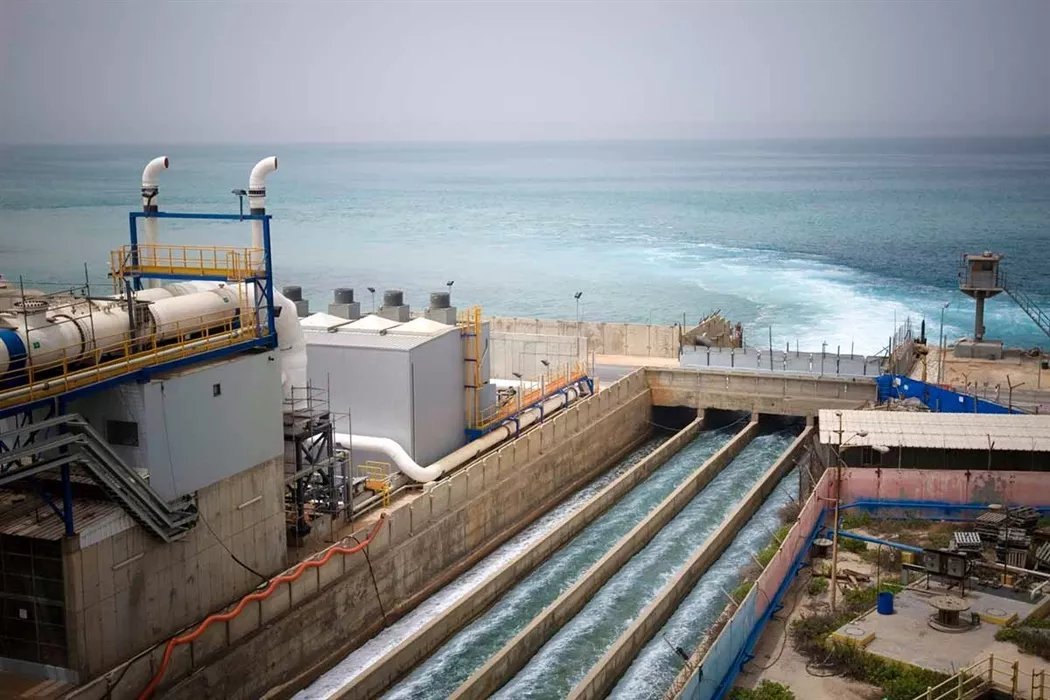
The Water Development Department has proposed 168,069,000 euros for desalinated water in 2027, according to budget figures submitted to parliament on Thursday. It is the largest sum ever put forward for producing desalinated water.
The allocation is 26 million euros more than the approved 2026 budget of 142.1 million euros. Actual spending in 2025 was 110.1 million euros.
The increase comes after 2025, when water stocks in the reservoirs fell significantly further, to 11 per cent. That fall required extra emergency measures to shore up the water balance and avoid serious restrictions on irrigation.
The allocation covers the purchase of desalinated water from the permanent plants at Limassol, Larnaca, Dhekelia, Vasilikos, Episkopi and Paphos (Kouklia). It also covers the temporary mobile units at Kissonerga, Garyllis, Limassol port, Moni, Episkopi and Vasilikos, and a mobile unit at Mazotos that is expected to start operating in 2027. Support work such as electricity supply and replacement parts is included.
The budget also provides for 0.13 million cubic metres of drinking water for Louroujina, and for emergency purchases of drinking water from private boreholes to meet the needs of local communities.
Pipelines and pumping stations
A further 12,335,284 euros is earmarked for building and expanding desalination plants and water transfer networks. The money covers the Vasilikos-Limassol transfer, which involves a pumping pipeline from the Vasilikos plant to a central 2,000 square-metre reservoir and connections to community reservoirs. It also covers the design and construction of a new pumping station at Tersefanou to carry desalinated water to Nicosia.
The budget covers the non-eligible costs of Phase A of the Vasilikos-Nicosia water project. It also provides for Phase B to be carried out with national funds, after a loan agreement with the Council of Europe Development Bank, to make Nicosia’s water supply more secure.
Work is under way on the Kokkinokremmos water project, which involves pipelines, pumping stations and reservoirs running from the Dhekelia desalination plant to meet drinking water needs in the free Famagusta area.
Recycled water
The budget covers the purchase of recycled water from the sewage treatment plants of the District Local Government Organisations (DLGOs) in Nicosia (Vathia Gonia and Anthoupolis), Famagusta (Paralimni-Ayia Napa), Larnaca, Limassol (Kato Moni and Kato Ploumidia) and Paphos.
It also sets aside 3.5 million euros to make the most of recycled water for irrigation. In Nicosia, this covers storage reservoirs at Vathia Gonia (500,000 cubic metres and a new 1.3 million cubic metres), Anthoupolis (500,000 cubic metres) and Paliometocho (500,000 cubic metres). It also covers pipelines to Idalion, Potamia, Agios Sozomenos and Geri, and from the Mia Milia plant.
In Limassol, it provides for connecting the new West Limassol sewage treatment plant at Polemidia to the irrigation network and to the Akrotiri aquifer recharge ponds.
The budget also covers repairs to a 500,000-cubic-metre reservoir in Larnaca, upgrades to the Ezousa aquifer scheme and the scheme at Polis Chrysochous, and an expansion of the Paralimni-Ayia Napa network.

