


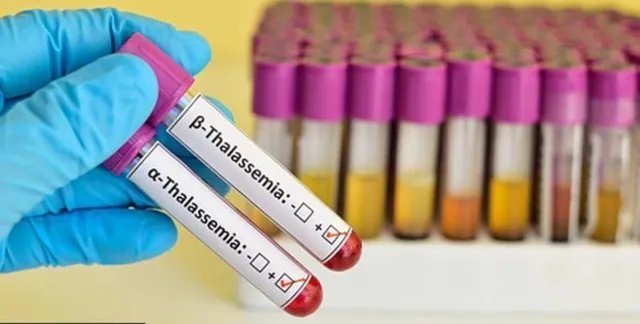
Some thalassaemia patients in Cyprus learned on Monday that there was no blood available for their transfusions. This came only days after others had already been given partial transfusions for the same reason, putting their health at serious risk.
“We consider that the problem has now reached breaking point,” Miltos Miltiadous, president of the Pancyprian Thalassaemia Association and of the Federation of Cyprus Patients’ Associations, told Phileleftheros. He warned that if the problem was not addressed, it would dramatically affect the health system as a whole, not just people with thalassaemia, and said the Blood Centre needs proper planning and a system.
He said the Blood Centre should be strengthened immediately with specialised staff able to implement modern blood donation strategies, and called for annual planning of blood donations, with particular emphasis on the summer and festive months.
He said the blood shortage continues to affect people with thalassaemia, with postponements and partial transfusions in clinics, and that the periods when this happens have been growing longer every year, as the association has repeatedly warned. He added that this was deepening concern that the situation could worsen further and start affecting every group of patients, not only those with thalassaemia.
He explained that of the approximately 72,000 units of blood available in Cyprus each year, 25,000, more than a third, go to thalassaemia centres. For the roughly 650 people with thalassaemia who need repeated transfusions, he said, blood is not a choice but the only available treatment.
Partial transfusion, he stressed, is not a solution: every postponement means a drop in haemoglobin, added strain from other health conditions, more hospital visits, and disruption to family and work life.
He thanked volunteer blood donors who respond to every appeal and urged those who can to donate blood in the coming days. He stressed, however, that blood sufficiency cannot depend on last-minute appeals or personal invitations.
A similar problem arose only last week, when transfusions for thalassaemia patients, including children, were postponed in Larnaca district. The Thalassaemia Association frequently issues statements and announcements calling for the system to be modernised.
Calls for modernisation
Despite the association’s repeated warnings, proposals, actions and initiatives, Miltiadous said, blood sufficiency remains at dramatic levels. He said solutions were needed without further delay, that they were already back to square one, and appealed once again to volunteer donors to help. There was no time left, he said, and the relevant authorities needed to take drastic measures.
He said the association had submitted its proposals in writing, along with possible actions, to cover both the needs of people with thalassaemia and the now-increased needs of the whole health sector. He said modern medicine required larger blood reserves, and that Cyprus was now carrying out far more complex, specialised procedures than in previous decades. This meant, he said, that to meet the needs of people who need transfusions, such as thalassaemia patients, some things needed to change and a more modern approach was required.

