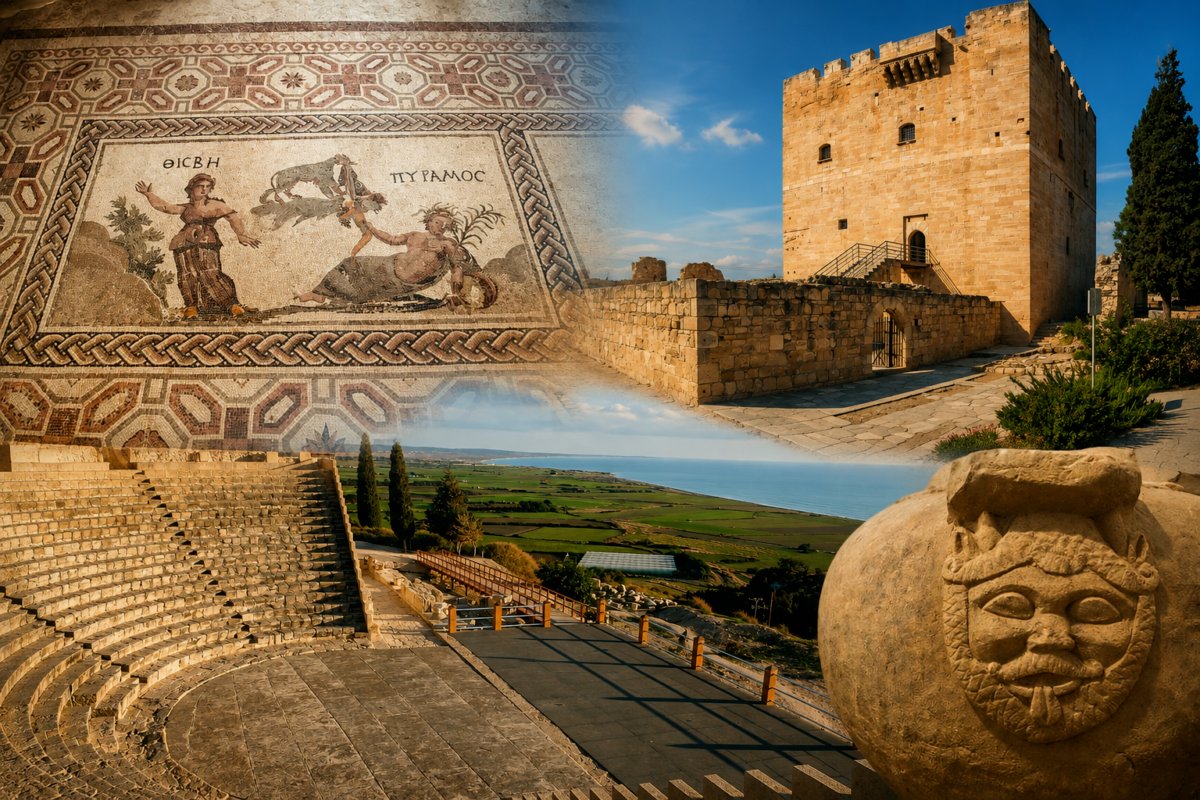
From Paphos and Kolossi to Choirokoitia and Ayia Napa, and from Limassol along the road up to Troodos, Cyprus is dotted with castles, ancient settlements and coastal sites that span the island’s history.
Cyprus Railway Museum
A journey along the tracks of time
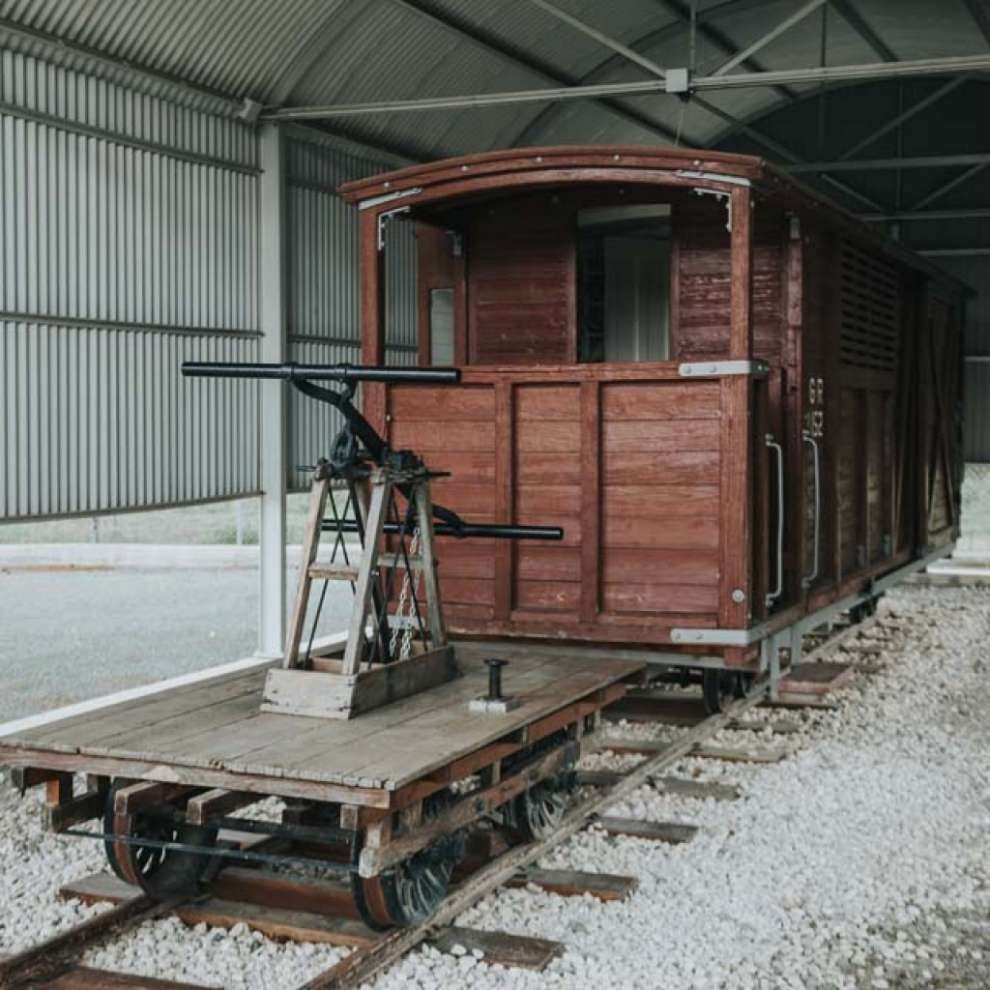
In Evrychou, a village at the foot of Troodos, is Cyprus’s only railway museum. From 1905 and for almost half a century, the train connected towns and villages across Cyprus, running through Famagusta, Nicosia and Morphou. The museum displays photographs, documents and plans, while original rails and old carriages stand in the courtyard under a metal shelter.
Idalion Local Archaeological Museum
The birth of a legend
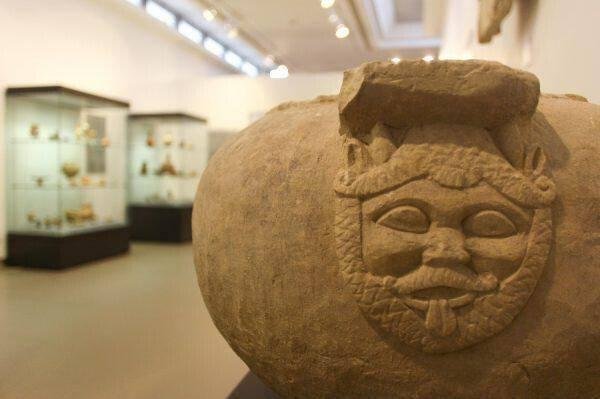
Ancient Idalion is one of Cyprus’s major archaeological sites and a stop for families interested in the island’s history. Located near modern-day Dali, it was once one of the kingdoms of ancient Cyprus, with a history spanning many centuries. According to tradition, King Chalkanor founded the city after following an oracle instructing him to settle wherever he saw the sun rise. Visitors can see the remains of the ancient city and get a sense of what life was like in one of the period’s major centres. Idalion is also linked to the worship of Aphrodite and the death of Adonis.
Kolossi Castle
A medieval stop
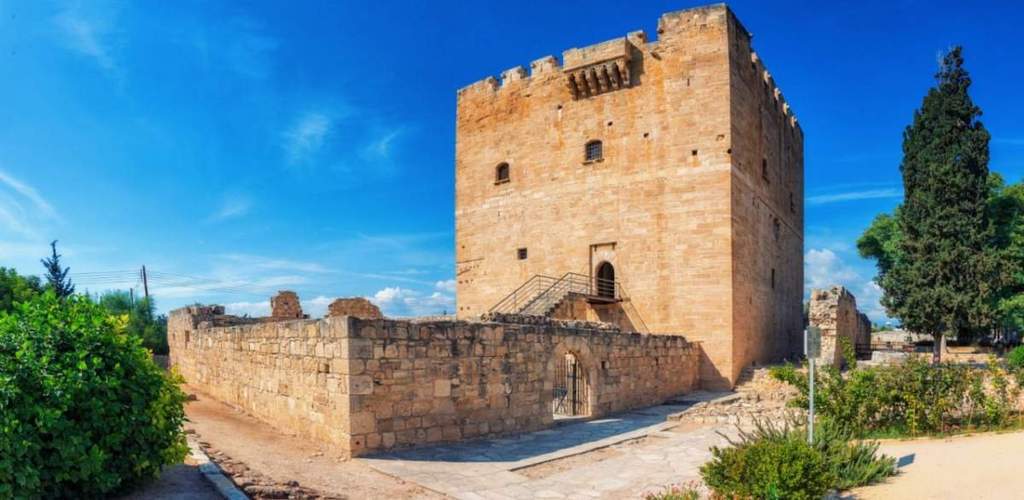
Kolossi Castle, a few kilometres outside Limassol, dates back to the Middle Ages. The castle, originally built in the 13th century and taking its current form in the 15th, has a history connected to the Knights of the Order of St John of Jerusalem, the Templars and the region’s Commandaria wine.
Ayia Napa Municipal Museum THALASSA
The sea as history
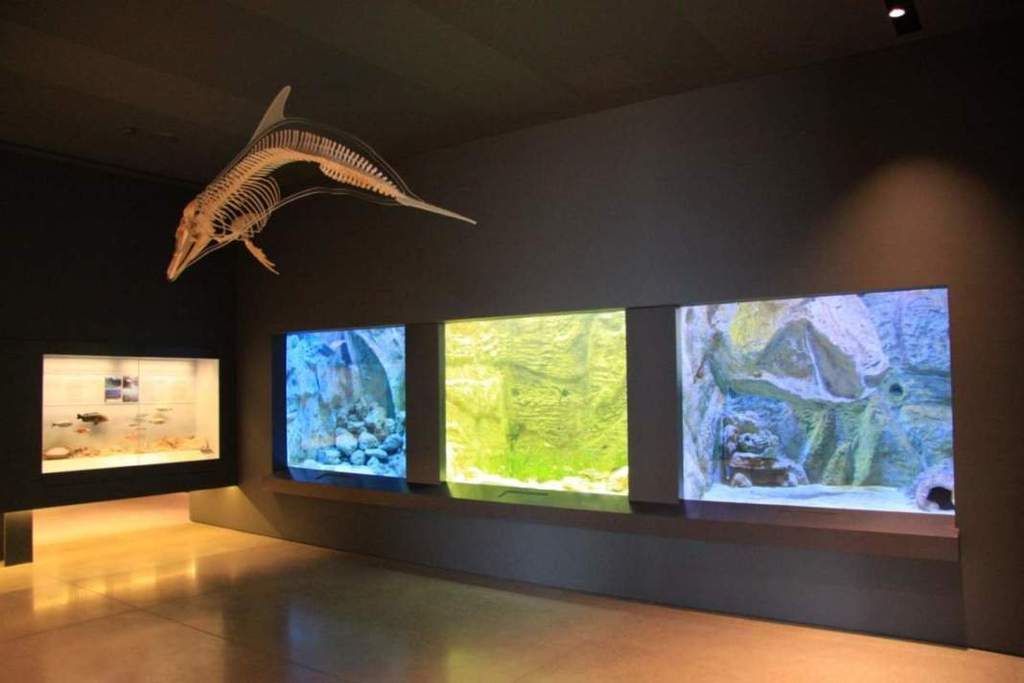
The THALASSA museum in Ayia Napa covers Cyprus’s history through the sea. Children can see fossils millions of years old, marine organisms, and finds from the region’s prehistory, from the bones of pygmy elephants to a replica of the ancient Kyrenia II ship.
Choirokoitia
A journey into prehistory
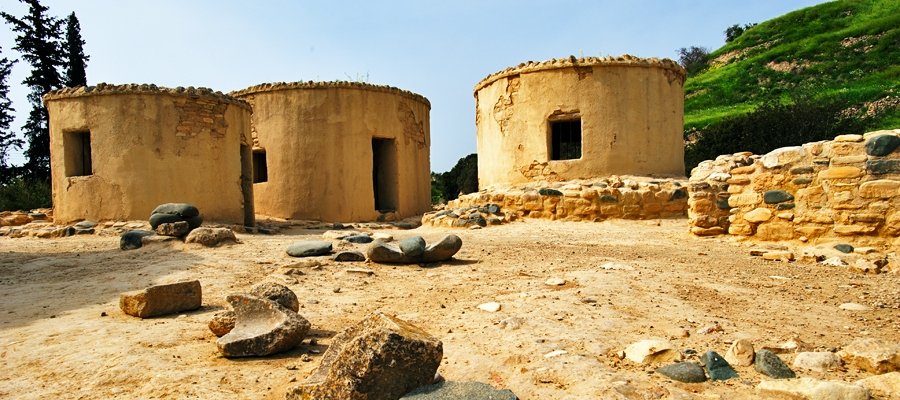
Choirokoitia is one of the best-preserved Neolithic settlements in the Eastern Mediterranean, with reconstructed circular dwellings. It’s a good visit early in the morning or at sunset. Children can look around the site, sketch, or think about how the island’s first inhabitants lived.
Ancient Theatre of Kourion
A theatre with a view
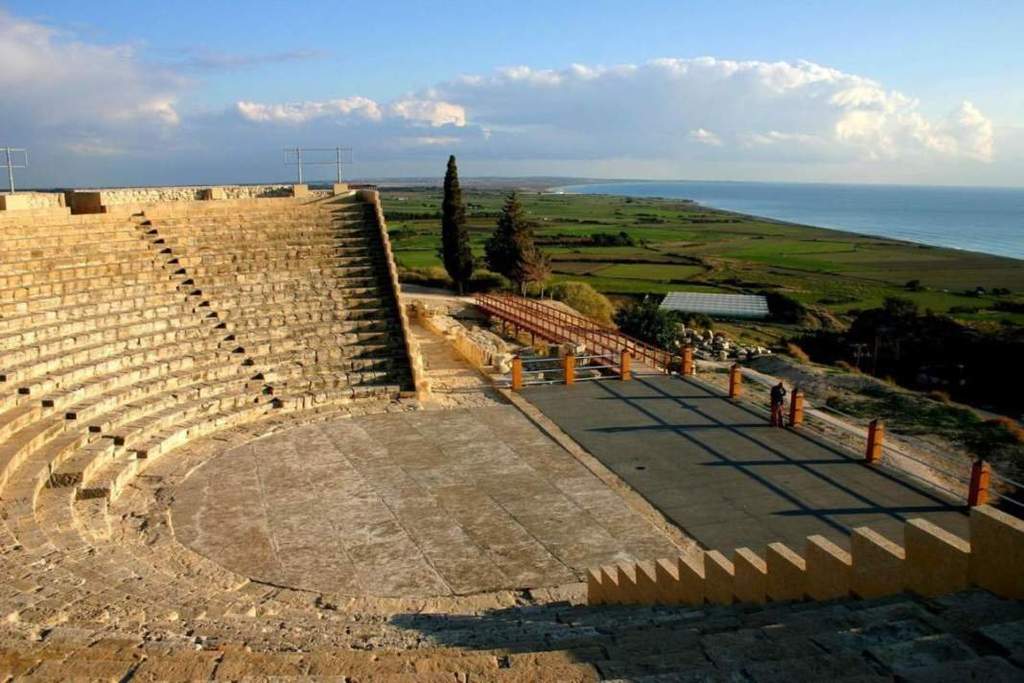
The Ancient Theatre of Kourion, on a hill overlooking the sea, was built in the 2nd century BC and later reshaped during Roman times. It continues to draw visitors for its setting and atmosphere. It’s a stop either on the way to Paphos or combined with a visit to the nearby beach.
Paphos Mosaics
Mythology underfoot
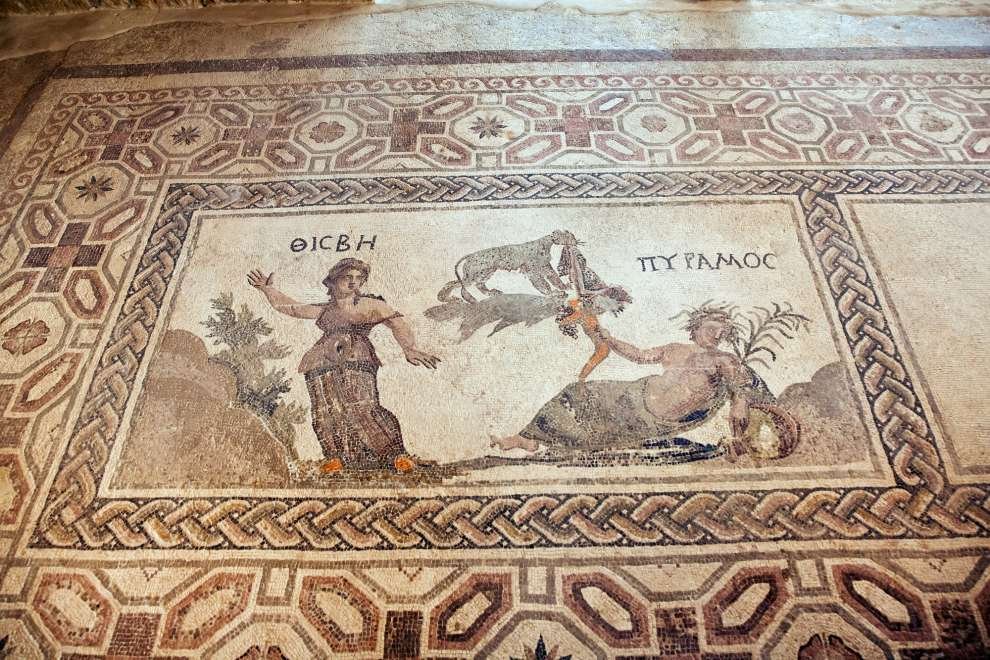
In Kato Paphos, the mosaics depict scenes from Greek mythology. The Roman villas, including the Houses of Dionysos, Theseus, Aion and Orpheus, contain examples of art dating from the 2nd to the 5th centuries AD. They were discovered by chance by a farmer in 1962 and are now considered among the more significant mosaics in the Mediterranean.