


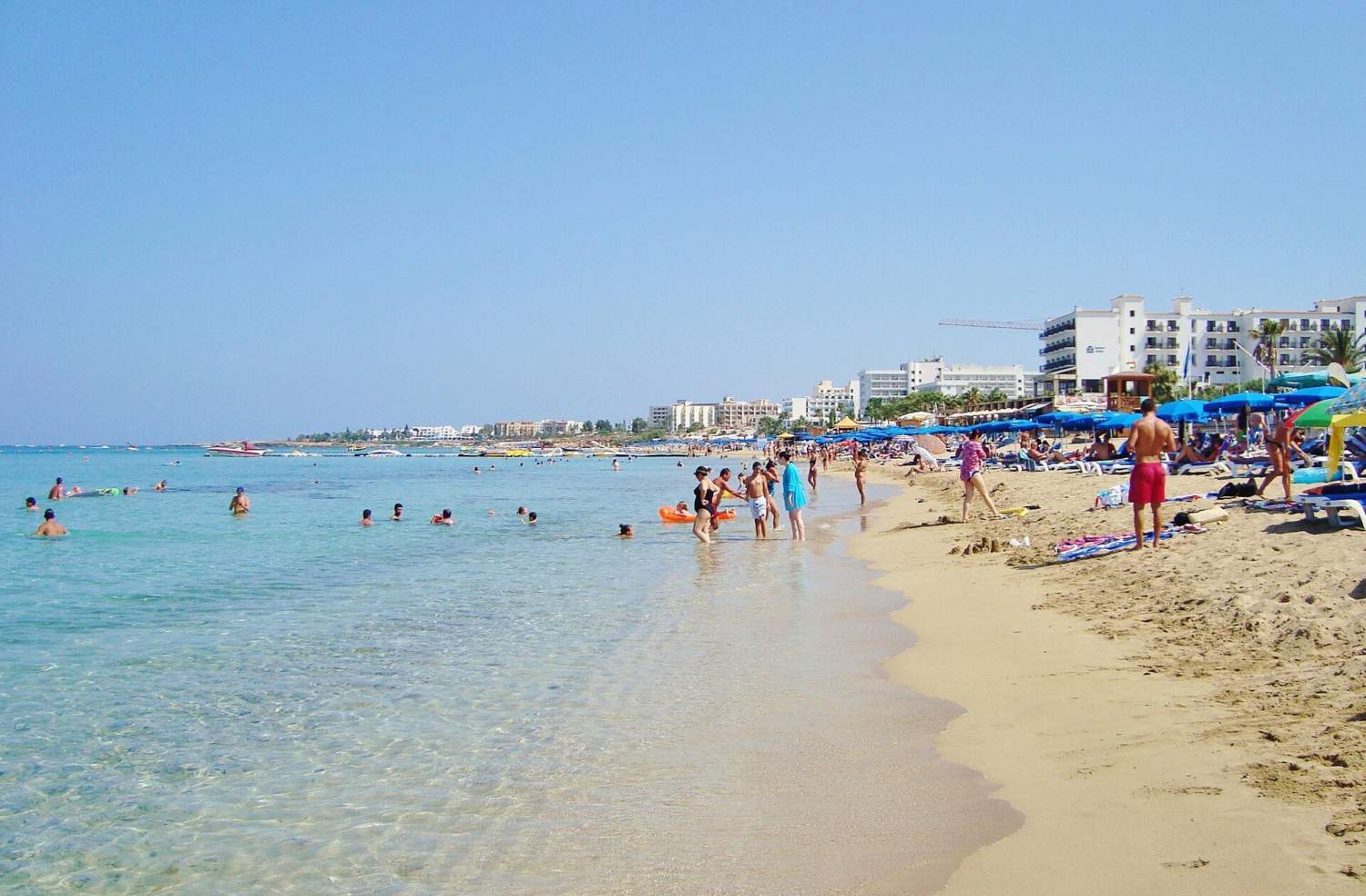
A question won’t leave me alone this week, prompted by the string of drownings on Cypriot beaches. Is it the sea that’s killing us, or is it our own indifference? That’s not a rhetorical question any more. When more than one drowning happens in such a short space of time, we can’t keep treating each one as an isolated tragedy. We need to look at what’s going wrong, and what could have been done differently. Above all, we owe ourselves an honest answer. Did we do everything we could to stop this?
It’s easy, after a drowning, to talk about carelessness, a bad call, even the swimmer’s own negligence. Personal responsibility is real, of course, and it matters, but it can’t always be the easy way out. The state has a duty too: to make sure our beaches have the people, the equipment and the infrastructure to cope when things go wrong.
If numbers mean anything, let’s look at them. In 2025, 33 people drowned in Cyprus. This year, as of July, 84 of the 374 approved lifeguard positions sat empty. That’s not a small number: we’re talking almost one in five. Meanwhile, stretches of coastline packed with thousands of swimmers have their lifeguard cover switched off at 6pm, as if drowning kept office hours. For years now, the same issues have kept coming up: how many lifeguards there are, what hours they work, what equipment sits on our beaches. It might sound like bureaucratic box-ticking, but in the moment it matters, these are the details that separate life from death.
Of course, it’s not realistic to expect one lifeguard to catch every single incident. And no one can watch every metre of coastline at once. But on our busiest beaches, surely this much shouldn’t be too much to ask: enough lifeguards, working clear and consistent hours, the right kit, proper signage, and real oversight of activity in the water. Lifeguards themselves have been asking for years for more stable employment: three or four-month contracts make it nearly impossible to keep staff.
This summer’s drownings should trouble us. Not just for the few days the story stays in the headlines, but after the beaches have emptied too. We can’t let this become just another seasonal news item, filed away and forgotten the moment summer ends. Because that’s the real test: whether we’ve actually learned anything from what happened. Or whether, once again, we’ll wait for next summer to have the exact same conversation.

