


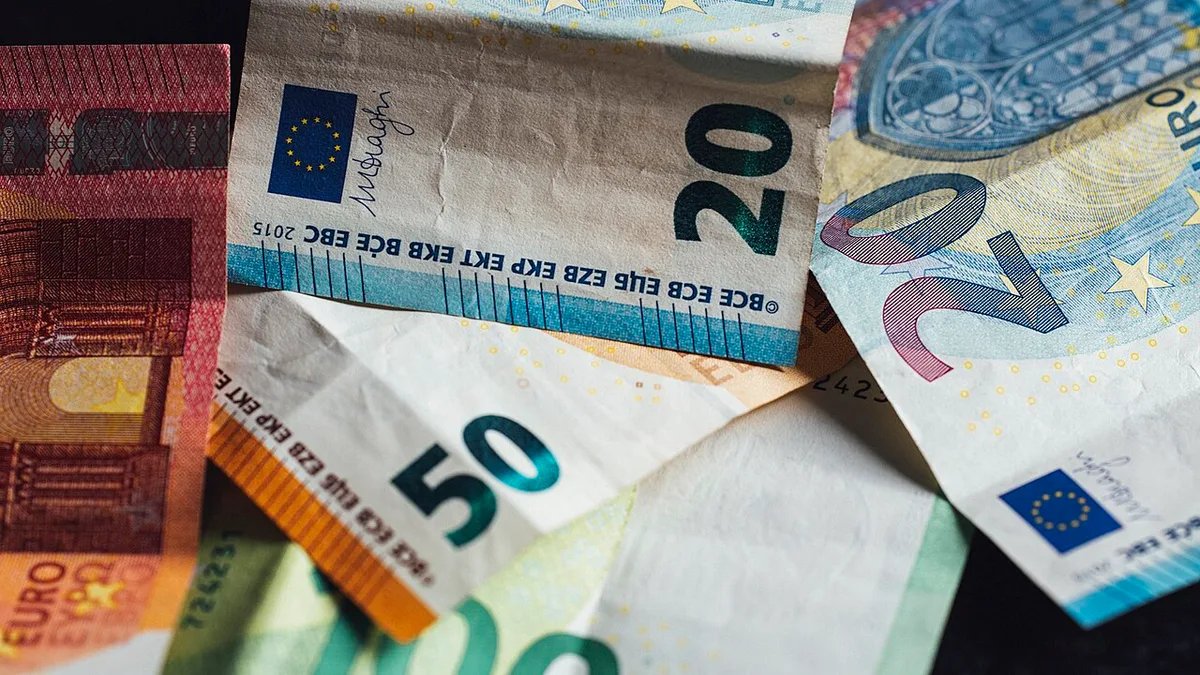
Cyprus ranks in the middle tier of European Union countries on minimum wage when the comparison is based on purchasing power rather than nominal euro amounts, according to Eurostat.
Per Eurostat data for July 1, 2026, once price differences between member states are factored in, Cyprus’s minimum wage falls into the group with levels between 1,000 and under 1,500 Purchasing Power Standards (PPS). The same group includes, among others, Greece, Malta, Portugal, Romania, Croatia, Lithuania, Slovakia, Hungary and Czechia.
This group’s minimum wages range from 1,015 PPS in Czechia to 1,393 PPS in Lithuania. Cyprus loses four places in the European ranking once wages are adjusted for differences in the cost of living.
Purchasing power explained
Using PPS accounts for differences in price levels between countries and better reflects the relative purchasing power of income in each one. The key finding is that when the different cost of living between countries is factored in, the gaps between minimum wages narrow significantly.
Inflation and wage stagnation
Wages remained unchanged in all other countries, which particularly affected those with high inflation. Eurostat estimates euro-area inflation at 3.2% between January and July, reaching 8.2% in Malta, 5.4% in Cyprus and 4.7% in the Netherlands.
Country rankings
Nine countries sit at the top of the European ranking, with at least 1,500 PPS: Germany, Luxembourg, the Netherlands, Belgium, Ireland, France, Slovenia, Spain and Poland. Wages in this group range from 1,547 PPS in Poland up to 2,164 PPS in Germany.
The middle category, between 1,000 and under 1,500 PPS, takes in Lithuania, Croatia, Romania, Portugal, Greece, Cyprus, Malta, Slovakia, Hungary and Czechia, with national minimum wages spanning 1,015 PPS in Czechia to 1,393 PPS in Lithuania.
Bulgaria, Latvia and Estonia sit below 1,000 PPS, with figures ranging from 935 PPS in Estonia to 993 PPS in Bulgaria. The overall picture shows that differences in minimum wages between European countries narrow significantly once differences in living costs are taken into account.
Nominal vs PPS rankings
Eurostat data for July 1, 2026, shows the highest minimum wage in euros, in Luxembourg, was 4.5 times higher than the lowest, in Bulgaria. Expressed in PPS terms, the highest, in Germany, was 2.3 times higher than the lowest, in Estonia.
When nominal and PPS rankings are compared among the 27 countries, Romania and North Macedonia record the largest gains: Romania climbs from 20th to 12th place, and North Macedonia from 24th to 16th, with both countries gaining eight places.
Estonia records the largest decline, dropping from 16th to 26th place. Latvia, Czechia and Cyprus also lose four places each.
Wage increases in 2026
Among 29 countries, eight recorded increases in minimum wages in local currency, in nominal terms, between January and July 2026. The countries with increases were Romania (6.8%), Estonia (6.8%), Belgium (5.8%), Greece (4.5%), Luxembourg (2.5%), France (2.4%) and the Netherlands (1.9%).
Eurostat notes that minimum wages are generally presented as monthly gross earnings, before the deduction of income tax and employee social security contributions, with the relevant deductions varying from country to country.

