


Turkey is pursuing EU concessions through the Cyprus problem while simultaneously insisting that Brussels has no place at the negotiating table.
Ankara has three priorities on its European agenda: participation in the SAFE defence procurement programme, a visa liberalisation agreement, and modernisation of the EU-Turkey customs union.
To advance these — and above all the SAFE programme — Turkey is again attempting to use the Cyprus problem as leverage, according to discussions among UN representatives and other foreign actors involved in the process.
The UN, which is increasingly pushing for EU involvement in efforts to resolve the Cyprus problem, has assessed that Turkey could be prepared to make moves if the EU acts in parallel.
The UN side is also seeking to reassure its interlocutors that the new process now under way, including an informal five-party meeting expected in the coming period, will hold no surprises.
Nicosia, however, is raising questions about the timing and nature of any moves Turkey might make, according to persons dealing with the Cyprus problem who spoke to Phileleftheros.
Erhürman sets four conditions
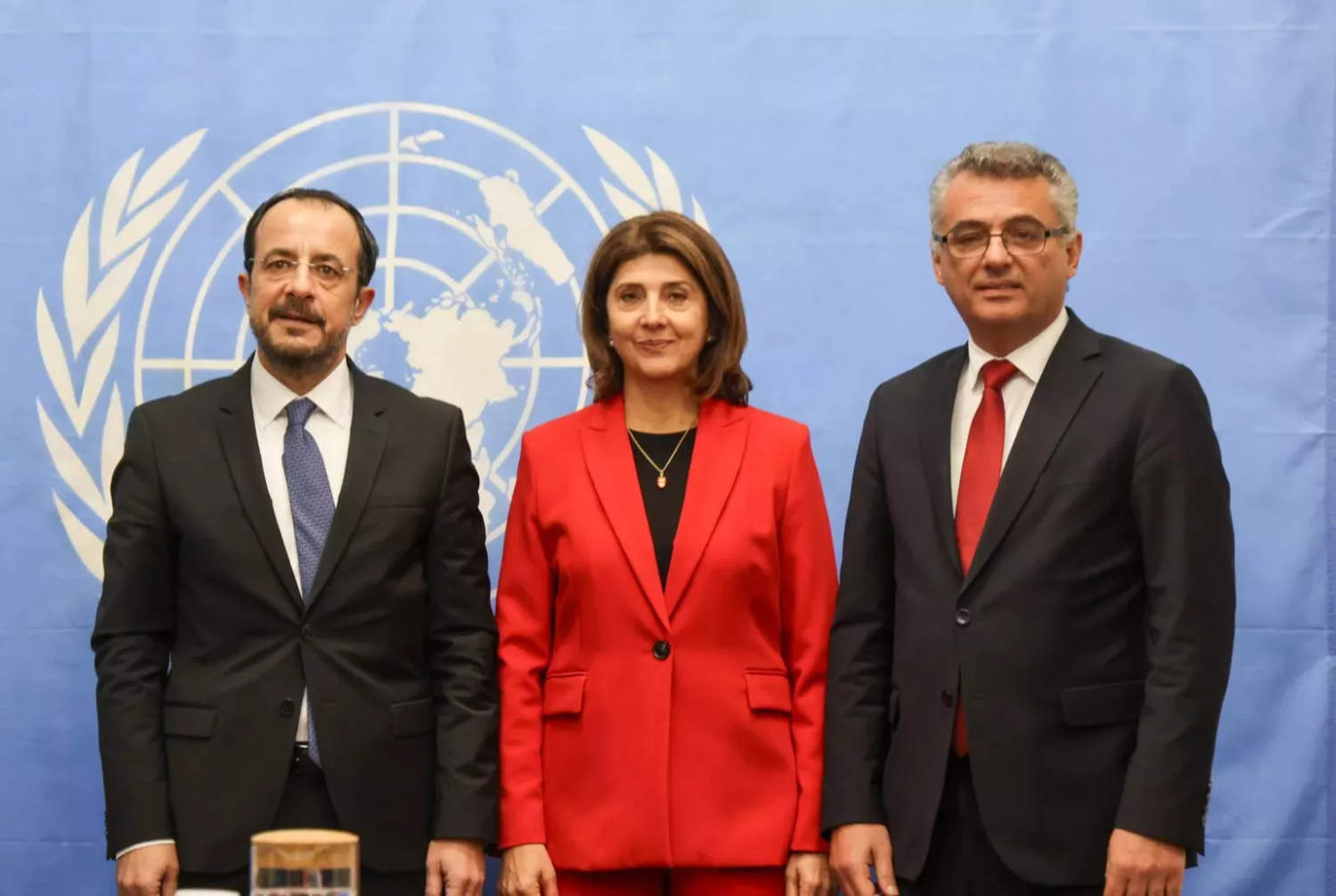
Turkish Cypriot leader Tufan Erhürman, in an interview with a Turkish newspaper, said he does not rule out a new 5+1 process involving the three guarantor powers — Turkey, Greece and Britain. However, he said substantive negotiations would require preliminary preparations.
Erhürman restated his four conditions for any new process: political equality must not be subject to negotiation; talks must have a clear timeline; previous points of convergence must be confirmed; and there must be no return to the current status quo should the Greek Cypriot side again withdraw from the table.
“We will not participate in a framework without a timetable and without a time limit. The UN knows this very well,” he said.
On the EU’s role, Erhürman argued that the EU cannot sit at the negotiating table because Cyprus is a member state, and its participation would, he claimed, undermine the neutrality of the process.
“The common position of Turkey and ourselves is that the European Union cannot be one of the members at the negotiating table,” he said.
He added, however, that the EU can and should contribute from outside the table, through its own mechanisms, particularly on issues relating to ending the isolation of Turkish Cypriots and direct trade.
“I believe that this time the EU owes it to us to contribute — not by being present at the table, but by facilitating the process through its actions outside it,” he said.
Read more:

