


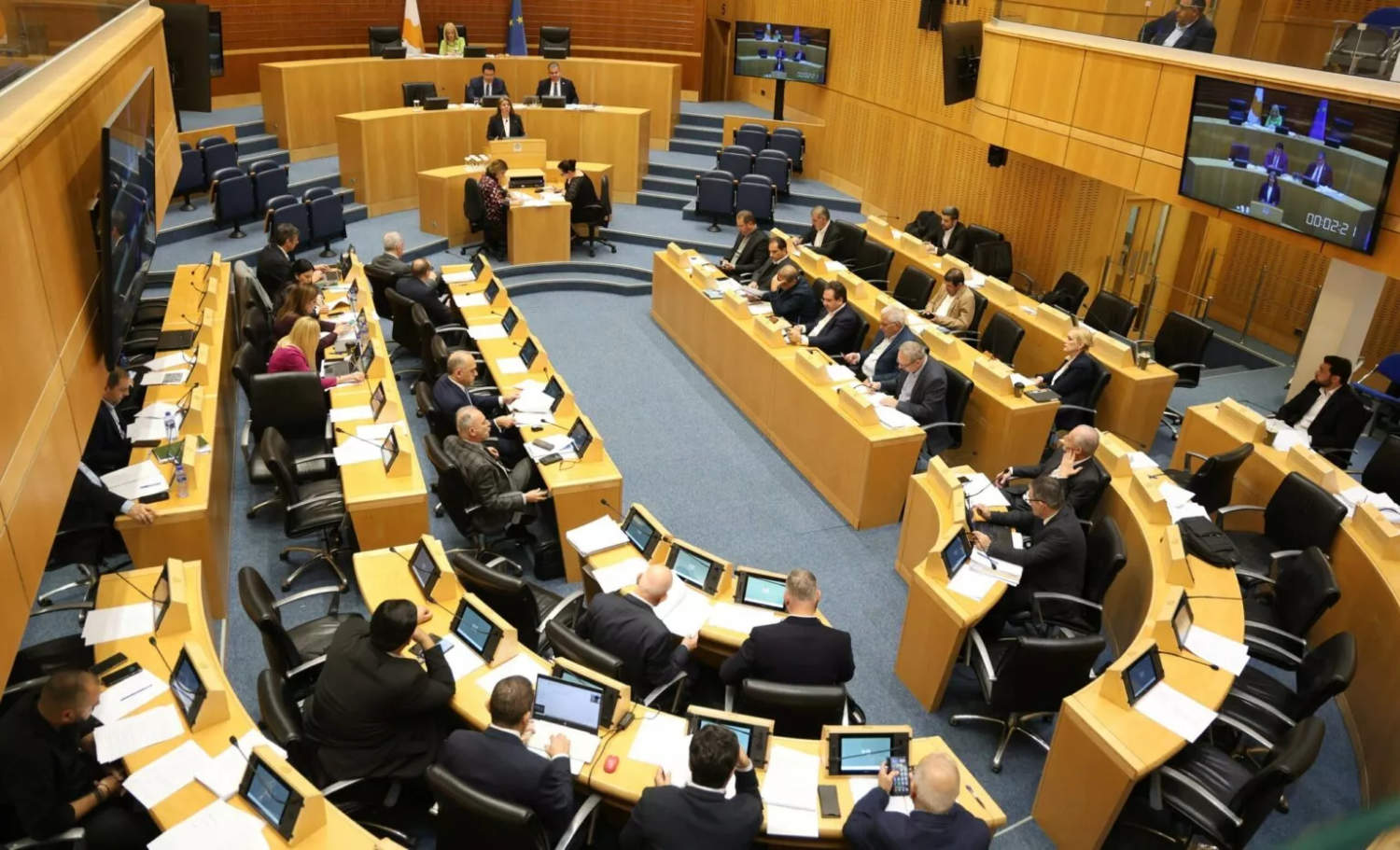
There is an old political habit in Cyprus. When voters slap them across the face, politicians look in the mirror and convince themselves they’ve been stroked on the cheek. That, more or less, is how the morning after the parliamentary elections dawned for the parties of the so-called centre ground. EDEK out of parliament. The Ecologists out of parliament. DIPA out of parliament. Only DIKO managed to survive. Not with any triumphant victory — but at least it avoided being dragged down into the same political shipwreck as the rest.
There are moments in politics when election results admit no misreading. No spin, no communications trickery, no convenient excuses. It is the moment the ballot box speaks in terms that are brutal, unsparing, and clear. The centre-ground parties did not merely suffer an electoral defeat. They suffered a strategic and existential one. A thunderous warning that they are on a trajectory of political shrinkage — and that time is no longer on their side.
What was the response from their leaderships after this electoral hammering? Exactly what you’d expect. No genuine assumption of responsibility. No self-criticism of any substance. No dawning realisation that their political space has been dying slowly in front of their eyes for years. Instead, everyone continues to drift around the patient’s bedside debating the colour of the curtains while the intensive care monitors are screaming.
EDEK rules out cooperation with DIKO because, it says, the behaviour of its leader and the party in the run-up to the election leaves no room for it. How touching. The ballot box threw you out of parliament, but the problem is your neighbour’s bad manners. The voters shut the door in your face, and you’re still standing in the corridor complaining about someone’s tone of voice.
The Ecologists, meanwhile, will collectively evaluate the results and then decisions will be taken. Apparently it requires deep study to understand what it means when a party fails to enter parliament. Committees may be needed. Sub-committees. Working groups. Two or three more political post-mortems before the cause of death can be established.
Then there is the case of DIPA. Marios Garoyan submitted his resignation, we are told, but it was not accepted. This really is worth pausing on. What exactly does “not accepted” mean? Since when is the assumption of political responsibility conditional? Since when does a leader who believes he has failed wait for approval before stepping down? A resignation is not a planning permit.
If you believe you bear responsibility, you go. Full stop. Anything else is political manoeuvring dressed up as sensitivity. The argument that “I submitted my resignation but it wasn’t accepted” is a monument to political hypocrisy. And here lies the central problem of Cypriot political life. Accountability has become a decorative word. Everyone uses it. Almost nobody actually applies it.
We saw it with the big parties at previous parliamentary elections. DISY lost 40,000 voters. AKEL lost 50,000. Their leaderships stayed put as though nothing had happened. We are seeing it now with the smaller centre parties. The ballot box is screaming and the leaderships have their earplugs in. Reality, however, is merciless.
The problem is not whether EDEK has a grievance against DIKO. It is not whether the Ecologists need time to reflect. It is not whether DIPA’s leader’s resignation was accepted or not. The problem is that three parties have been thrown out of parliament — and they continue to carry on as though this is a minor electoral blip that will sort itself out.
It won’t. The centre ground is facing an existential crisis. If the party leaderships continue to worship their own egos more than the political survival of their parties, the next parliamentary election will not be an opportunity for a comeback. It will be the final seal on their disappearance.
That is why the only serious conversation that needs to happen now is about unification. A common political platform. A single combined list. An agreed proportional representation of each party’s weight. New leadership, unburdened by the dead weight of the last few decades.
Yes, it will hurt. Yes, some people will need to surrender their chairs, their titles, their personal ambitions. But the political arithmetic is unforgiving. When you cannot convince society on your own to keep you in parliament, at some point you have to admit that the problem is not everyone else. It is you.
Is there an alternative? EDEK invoking its historical legacy — the very legacy that its own stewards have spent years damaging? The Ecologists talking environmental policy while their influence shrinks continuously? DIPA insisting it knows how to win, while the ballot boxes say precisely the opposite?
Even DIKO, which survived this time, would be wrong to consider itself out of danger. The crisis of the centre ground does not concern one party. It concerns the entire political edifice of recent decades.
The question, then, is not whether the centre is collapsing. That has already happened. The question is whether those who led it to this point will find the courage to step aside — so that there is at least some chance of rebuilding.
If not, they could at least stop pretending they cannot see the elephant in the room. Because when a party is in the political intensive care unit, refusing the diagnosis is not a treatment. It is simply the preamble to the death certificate.

