By Panayiotis Evripidou and Theodora Nicolaou.
The safety of Cyprus’s residents has become a topic of public discussion following the outbreak of the war in the Middle East and the drone attack on the Akrotiri British Base.
Shelters are intended as a refuge for citizens in times of general crisis; however, questions arise regarding whether the current infrastructure, capacity, and stability of these shelters are sufficient.
Philenews, through the “SafeCY” app, visited several shelters across different areas of Nicosia to assess whether they are equipped with the necessary facilities to accommodate the civilian population of the island.
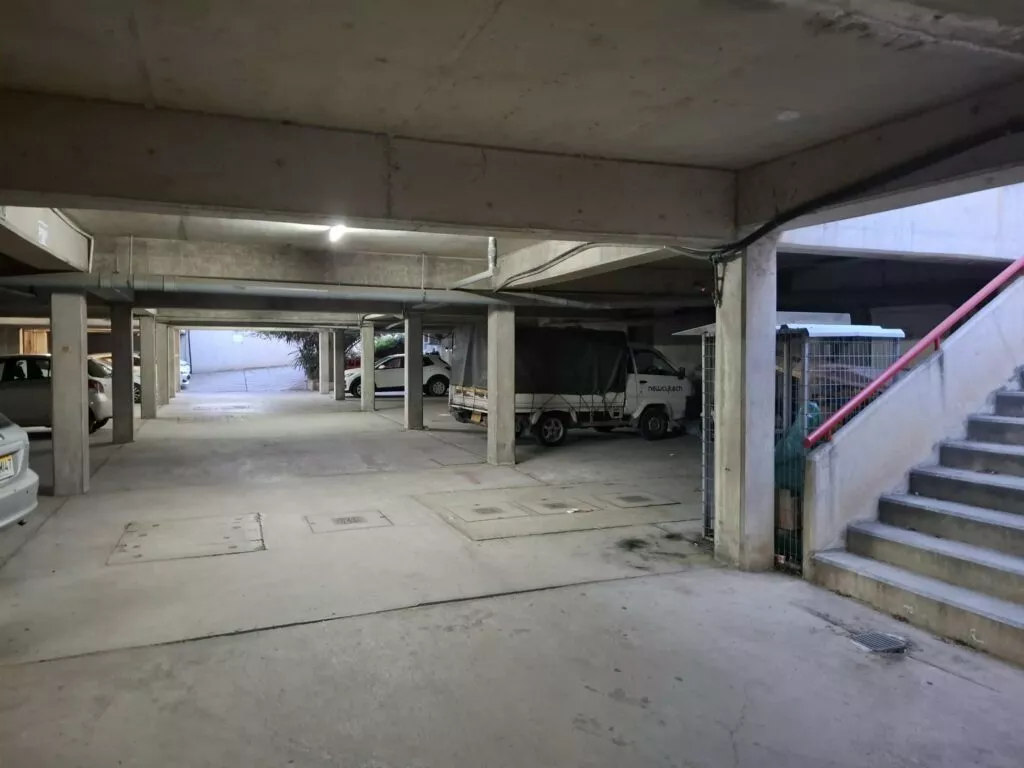
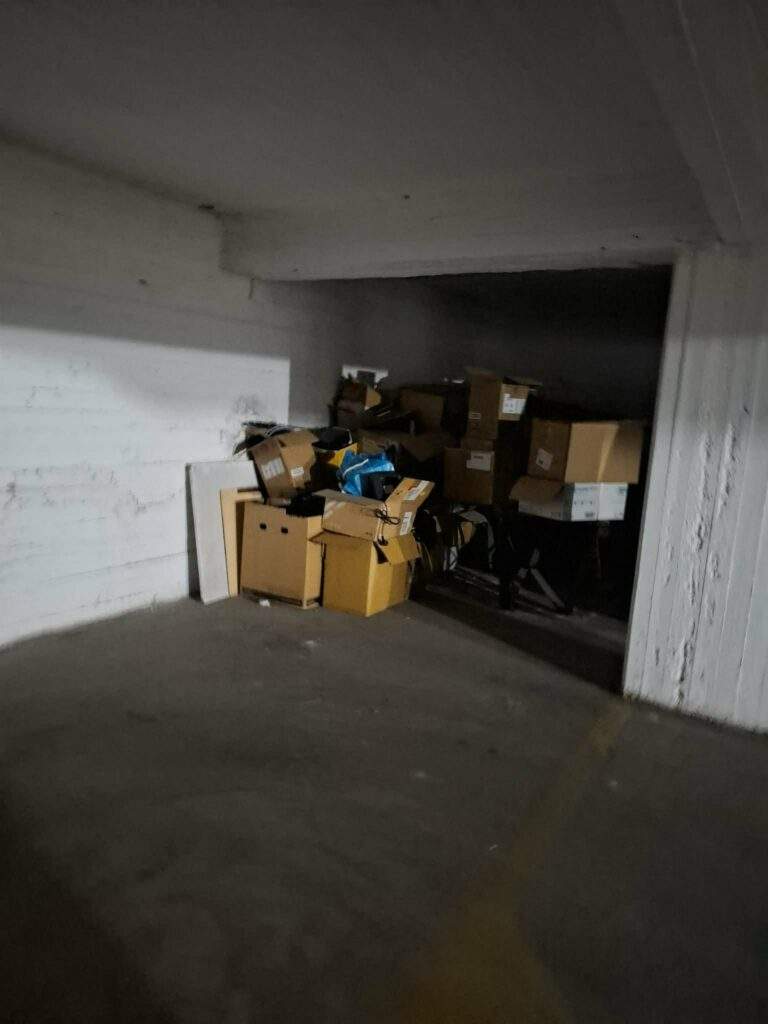
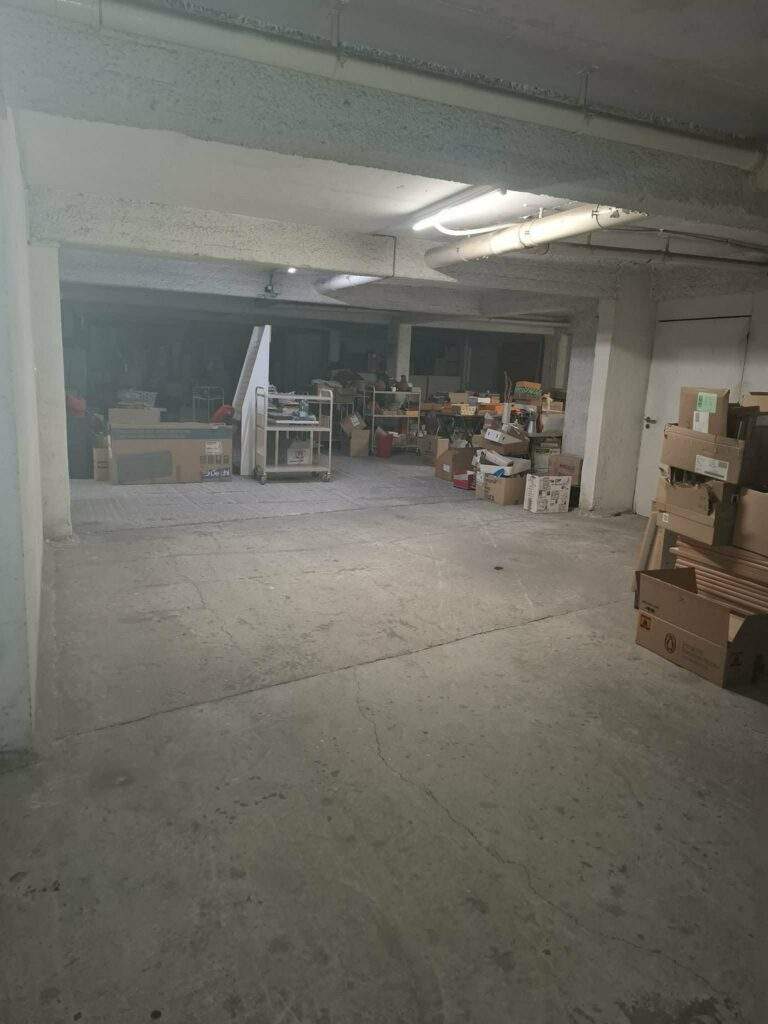
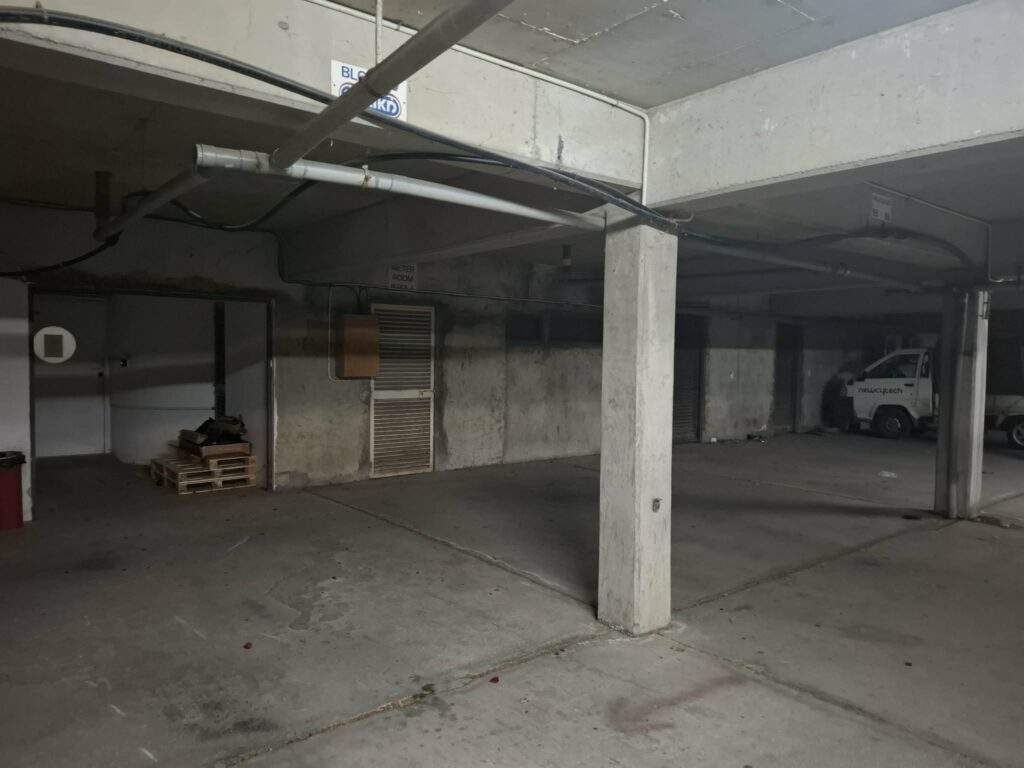
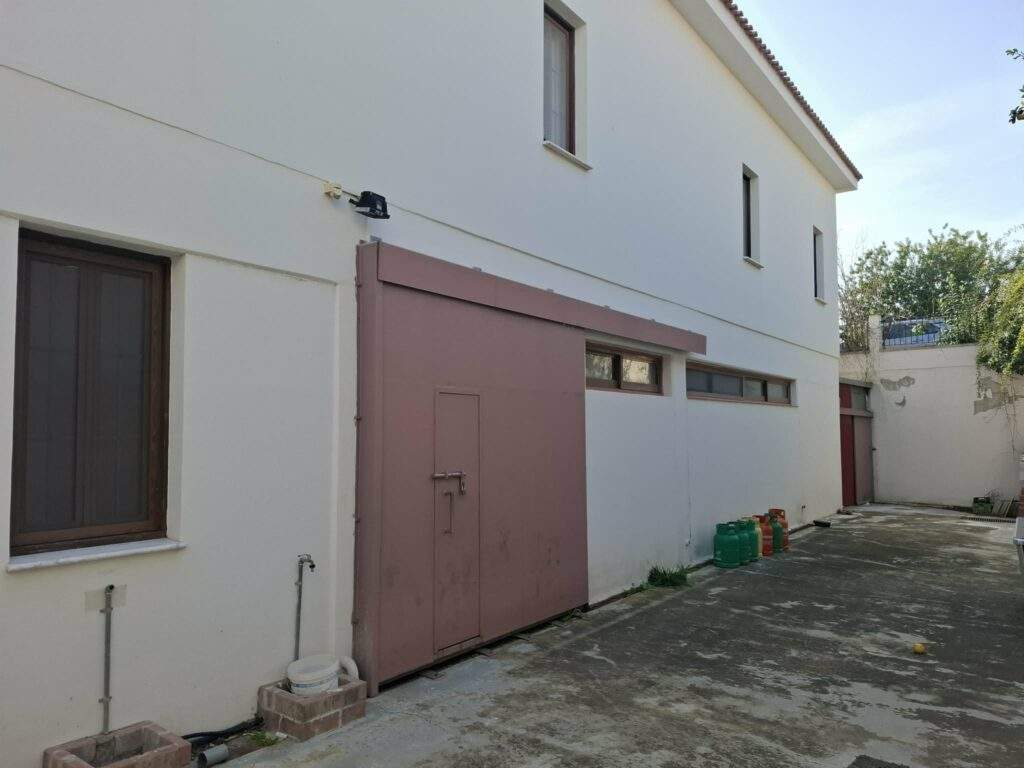
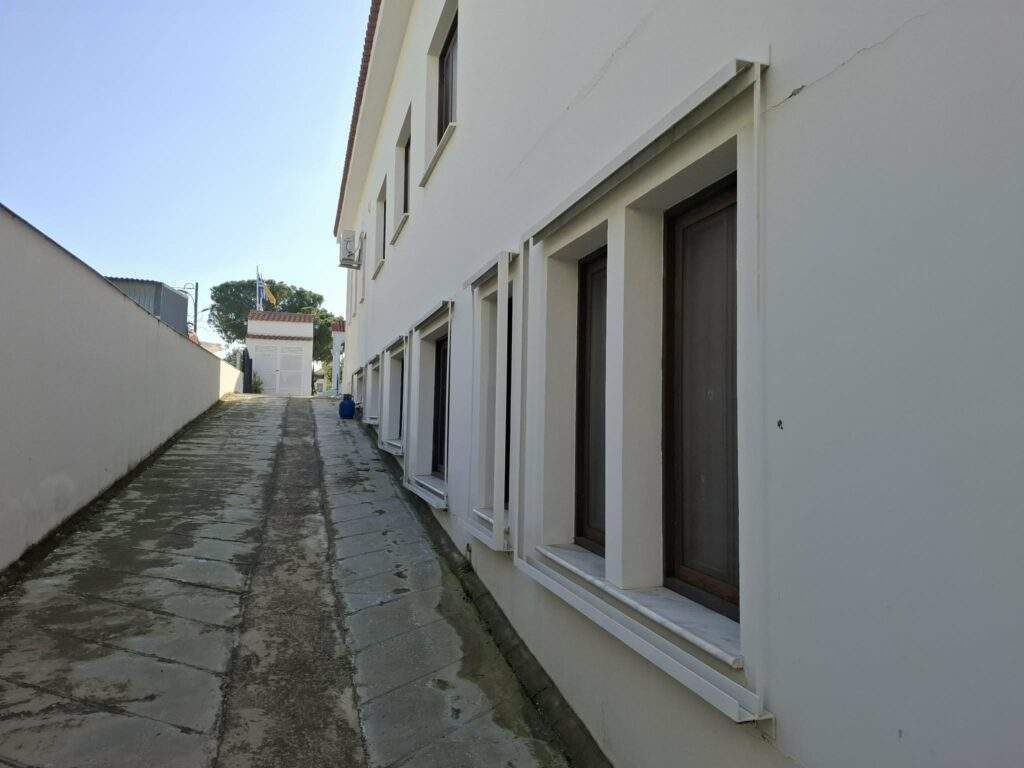
As shown in the images, most of the shelters are underground parking spaces, where vehicles belonging to apartment residents or business employees in the area are parked.


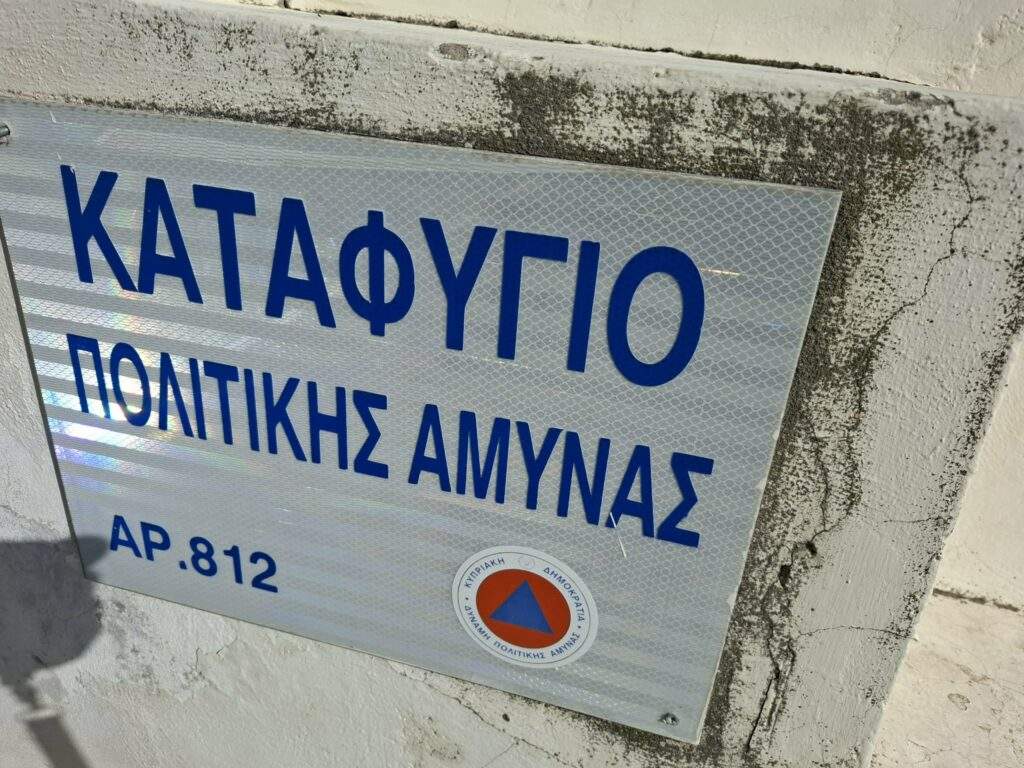
It is worth noting that, although the “SafeCY” app listed specific shelters in the area we visited, they could not be located, either because they do not exist or because there is no sign indicating that the building is a designated shelter.
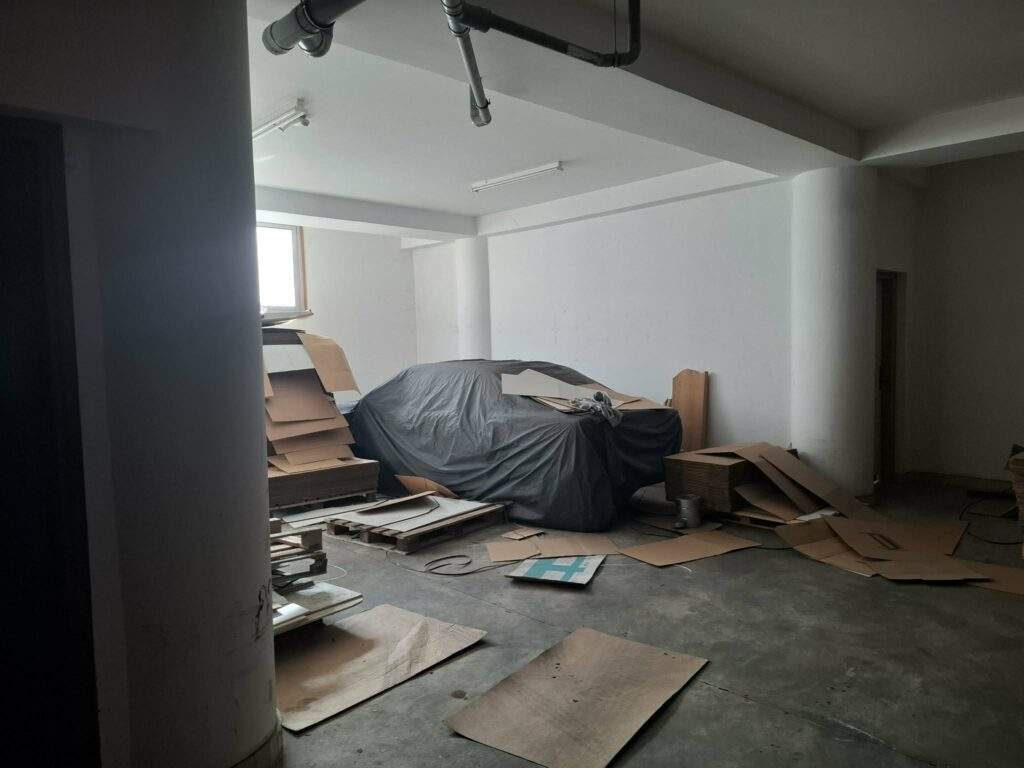
In addition, some shelters, as seen in the photos provided by Philenews, are being used as storage spaces for businesses, and in some cases, the shelter areas are filled with dirt and rubbish.
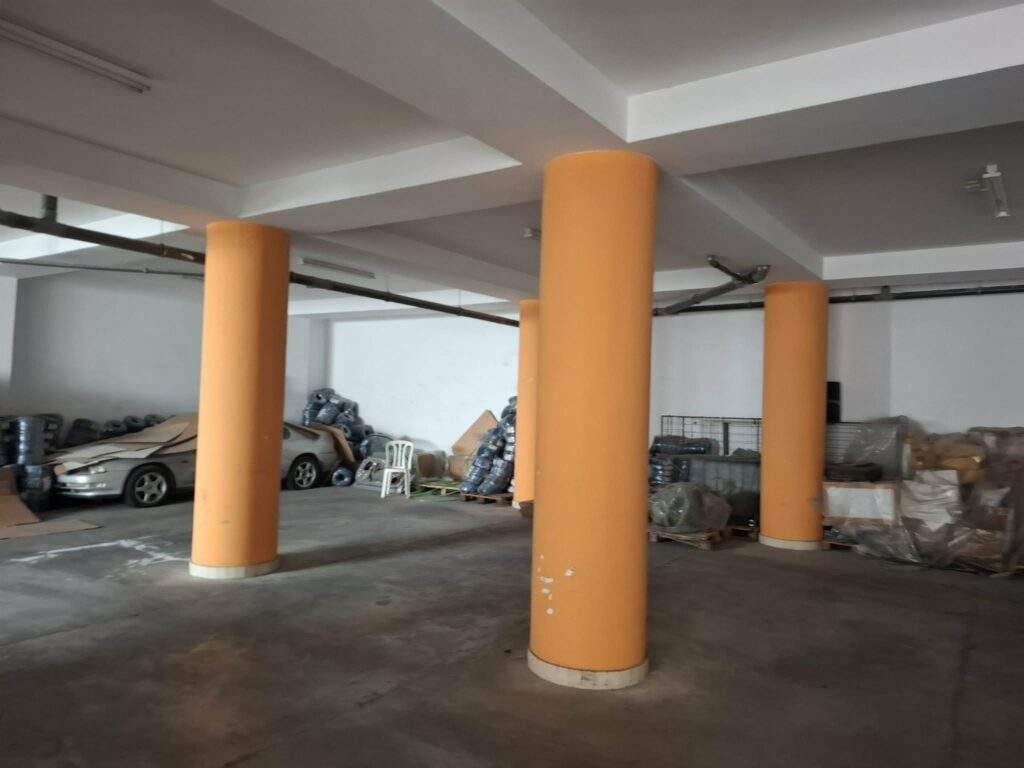
Addressing the public’s understandable concerns about the situation in the shelters, our observations revealed that, in some cases, the basic requirements to house people are met, but in others, the situation is dire.
2,500 shelters cover 45% of the population
In statements made in Nicosia, along with the Minister of the Interior, Konstantinos Ioannou, the Director of Civil Defence, Maria Papa, stated that there are approximately 2,500 shelters available to citizens across Cyprus, which cover about 40% to 45% of the population.
Regarding how citizens can find the nearest shelter, Papa explained that the information can be accessed either through the “SafeCY” app, which allows citizens to locate the nearest shelter wherever they are, or by contacting the Civil Defence Crisis Centre at the numbers 22 403 451 or 22 403 452.
It is worth noting that while the “SafeCY” app provides the address of the nearest shelter, citizens must use a separate application, such as Google Maps, to reach it.
Minister of the Interior Konstantinos Ioannou highlighted that, in cooperation with the Department of Town Planning and Housing, and following consultations, additional underground spaces for shelters will be made available by private individuals through incentives for additional building density.
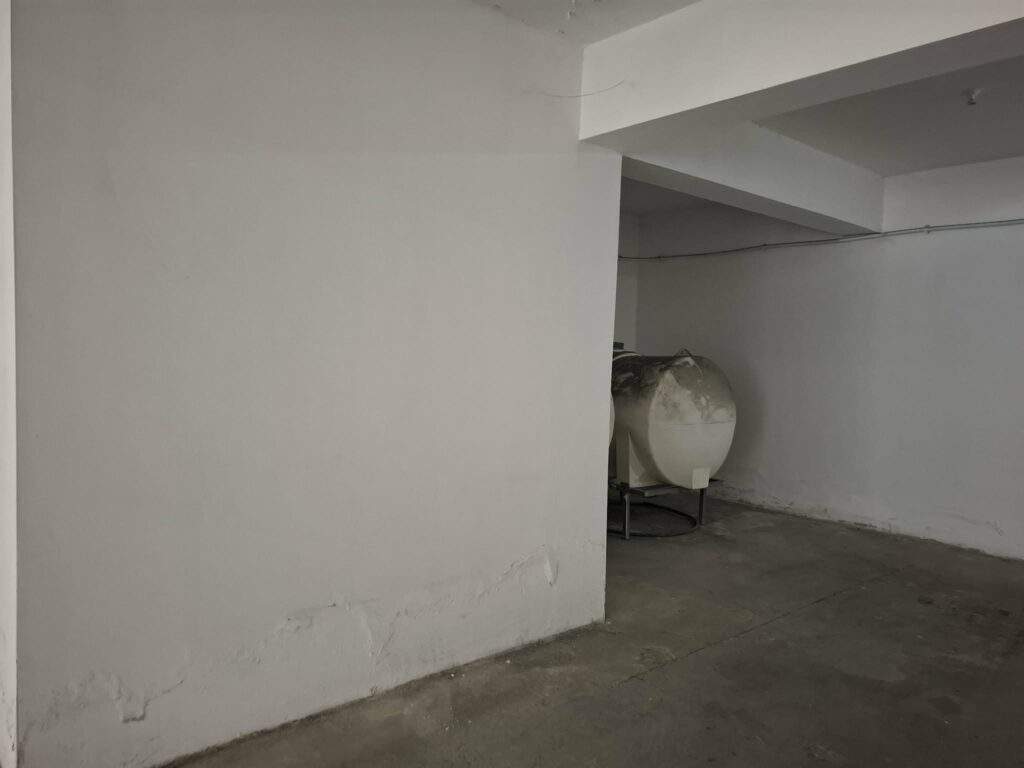
It is also noted that the suitability of shelters is determined by Civil Defence supervision to ensure that the spaces are in working order. However, it is the responsibility of the owner of each property with a shelter to maintain the spaces clean and in suitable condition.
The history of shelters
On its website, Civil Defence states that the creation of shelters/protection spaces is a basic measure for protecting civilians for short periods during hostilities.
According to Civil Defence, the shelter creation program began in 1999, and at that time, two main options were presented to the state:
Creating underground shelters in large open spaces, which would be expropriated for this purpose.
Creating shelters in existing underground spaces.
After studying the two options, the first was dismissed due to the enormous cost, according to Civil Defence.
Therefore, Cyprus opted for the second choice — creating shelters in existing underground spaces on a large scale.
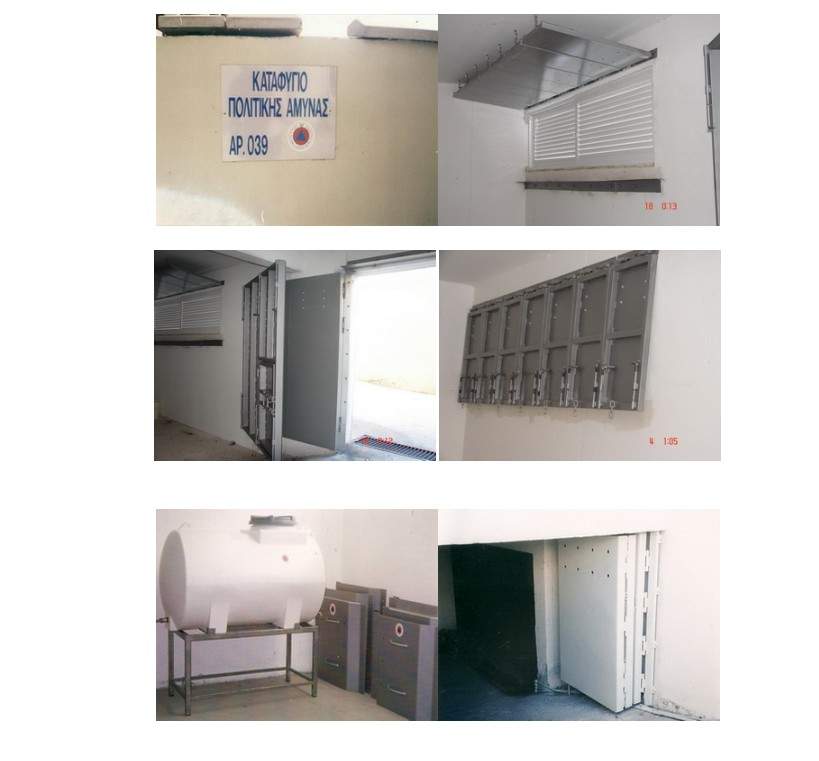
Civil Defence also provided images of how a suitable shelter should look, meeting the necessary standards.