


The US Supreme Court ruled on Friday that President Trump does not have the authority to unilaterally impose sweeping global tariffs under a federal emergency powers law.
The 6-3 decision delivers a significant blow to the president’s signature economic policy. Chief Justice John Roberts, writing for the majority, stated that the International Emergency Economic Powers Act (IEEPA) does not authorise the president to impose duties or taxes.
Roberts noted that the statute contains no reference to tariffs and that the government could point to no instance where Congress used the word “regulate” to authorise taxation. Justices Neil Gorsuch, Amy Coney Barrett, and the three liberal justices joined the majority, though they differed on their legal reasoning.
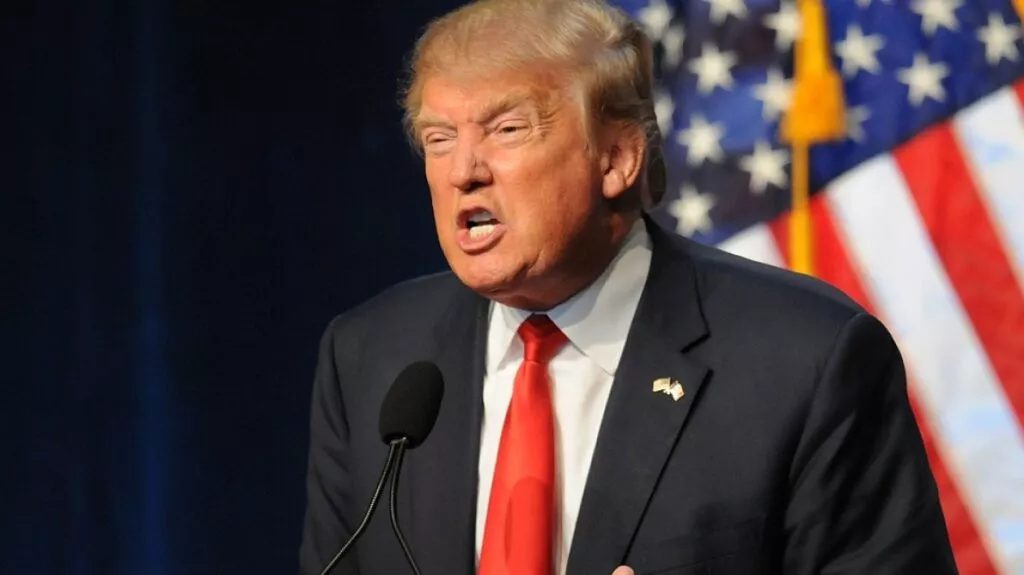
During remarks at the White House, Trump lambasted the ruling, calling the majority justices a “disgrace to our nation.” He expressed shame over the court’s lack of “courage” to support his agenda but immediately announced a new 10% global tariff using Section 122 of the Trade Act of 1974. This alternative law allows a baseline duty of up to 15% for a limited period of 150 days to address balance-of-payment deficits.
The legal battle marked the first time the Supreme Court evaluated a second-term policy from the Trump administration. While the court has previously allowed the president to enforce plans temporarily during legal challenges, this ruling represents his most significant second-term loss to date.
In a dissenting opinion, Justice Brett Kavanaugh, joined by Clarence Thomas and Samuel Alito, argued that tariffs are a traditional tool for regulating imports. He warned that forcing the government to refund billions in collected duties would result in a “mess” for the US Treasury and potentially disrupt existing trade deals with the UK, China, and Japan.
The ruling does not prevent the president from using other trade authorities to impose levies. Trump has already utilised different laws to place duties on copper, steel, and aluminium. Despite the administration’s claim that foreign producers pay the costs, an analysis by the Federal Reserve Bank of New York found that nearly 90% of the tariff burden fell on US companies and consumers last year.
The decision comes just four days before the president’s State of the Union address, where he was expected to highlight his first-year accomplishments.
Information taken from CBS News.

