
Social media has turned into a digital public square where criticism, accusations, anger and disinformation collide without filters. Over at least the past two months, posts that appear online have repeatedly exploded into major public controversies within hours and then dominated the headlines of traditional media across the board.
The list is long. It starts with disinformation around the works of Giorgos Gavriil and the public “lynching” of the artist. It continues with posts by Nicoletta Tsikkini about the President’s wife and the legal battle between them, the video attributed to “Emily Thompson” and its fallout, and the events unfolding around Anna Fotiou, wanted by the Cyprus Police and widely known online as Annie Alexui. These cases have reignited fundamental questions. Where does one person’s right to speak end, and where does another person’s right to feel harmed begin? Is there a red line, and if so, who draws it?
Lawyer Corina Demetriou addressed these issues in an interview with Phileleftheros tis Kyriakis. She focused on freedom of expression on social media. The debate also drew political responses from Demetris Demetriou, chair of parliament’s Institutions Committee and a DISY MP, and Giorgos Koukoumas, deputy chair of the Human Rights Committee and an AKEL MP.
Demetriou says limits apply online just as they do in the physical public sphere. The law restricts racist speech, homophobic speech and rhetoric that incites violence. It also covers stalking and harassment. The real problem, she argues, lies in enforcement. Even though a European regulation sets rules for how social media and large digital platforms operate, there is no effective mechanism to apply them. Platforms host countless comments that breach legal limits, yet no one systematically monitors, assesses or reports them.
Public figures face a different standard. Case law on libel requires them to tolerate harsher criticism. A statement that could amount to libel against a private individual may not do so when aimed at a public figure. Demetriou notes that while legal limits still exist, it is often in the interest of public figures to tolerate almost everything except defamation. She defines defamation as attributing specific acts to someone who did not commit them. In relation to Nicoletta Tsikkini’s posts about Filippa Karsera, Demetriou sees nothing legally problematic, regardless of whether one agrees with Tsikkini’s tone or style. She adds that “character assassination” does not result from posts by one or a few individuals, but from the reaction of society as a whole.
On corruption, Demetriou argues that public figures carry an even greater duty of tolerance. Exposing corruption involves serious risks, which is why whistleblowers need strong protection. Those who report corruption deserve safeguards, while those accused must show restraint. She believes social media can play a decisive role in tackling corruption because of the scale and pressure public exposure can generate.
The most talked-about figure of recent weeks is Anna Fotiou, known online as Annie Alexui. She is currently in Russia, where she has been granted asylum. From there, she makes daily claims about her past, including allegations of prostitution and abuse by her family and by members of the police, as well as accusations against people with public profiles, officials and others. She uses public exposure as a tactic she openly describes as revenge. She posts names, surnames and often audiovisual material without hesitation.
Demetriou warns that this approach is dangerous for Alexui herself. It risks undermining cases in court by breaching the presumption of innocence. At the same time, she stresses that Alexui initially tried to pursue her complaints through formal channels and was ignored. If her claims are true, Demetriou calls the state’s handling of her case tragic and compares it to the case of Eleni Frantzi. She says it is unacceptable for victims to be driven to extreme measures. What is missing, she argues, is a link that can bring victims’ testimony into the criminal justice system. Victims act only as witnesses and have no other role. They could have stronger rights, including access to evidence and the ability to comment on it.
Demetriou also highlights an unprecedented development: a person facing prosecution in Cyprus has received asylum from Russia. She sees this as a blow to the country and a cause for serious concern, as it suggests persecution by Cypriot authorities and a failure to provide protection. Similar patterns, she notes, have appeared in cases involving Russians seeking asylum abroad. As long as the state fails to function properly, she believes, cases like Annie Alexui will continue to emerge.
The debate has reached education. As political debate shifts almost entirely online, the school system faces pressure to modernise. In this context, DISY MP Fotini Tsiridou recently submitted a bill proposing compulsory teaching of Digital Citizenship and Safe Behaviour on Social Media in public and private schools at all levels. The aim is to equip children and teenagers to recognise boundaries, protect privacy, manage speech and anger, think critically and seek help when needed.
Other countries face similar challenges. France has followed Australia by adopting a bill that bans social media use for children and teenagers under 15 to protect their health. If implemented, France would become the first EU country to impose an age limit on access to social media. Earlier this month, Australia confirmed that almost five million social media accounts belonging to teenagers were deactivated after a ban on users under 16 came into force last December.
Demetris Demetriou says politics now unfolds without filters. Anyone with access to social media can act as a journalist, analyst, or detective, without the fact-checking demanded by journalistic ethics. He sees risks everywhere, but also a benefit. Rapid networking and easy dissemination can serve the public interest. Information that might once have been buried can now surface. The system, he says, must then investigate and act, whether against those who spread false claims or against those exposed by true ones. He calls for legal reform to align offline criminal offences with online conduct and for education that builds media and digital literacy. Public figures, he adds, must show patience and restraint.
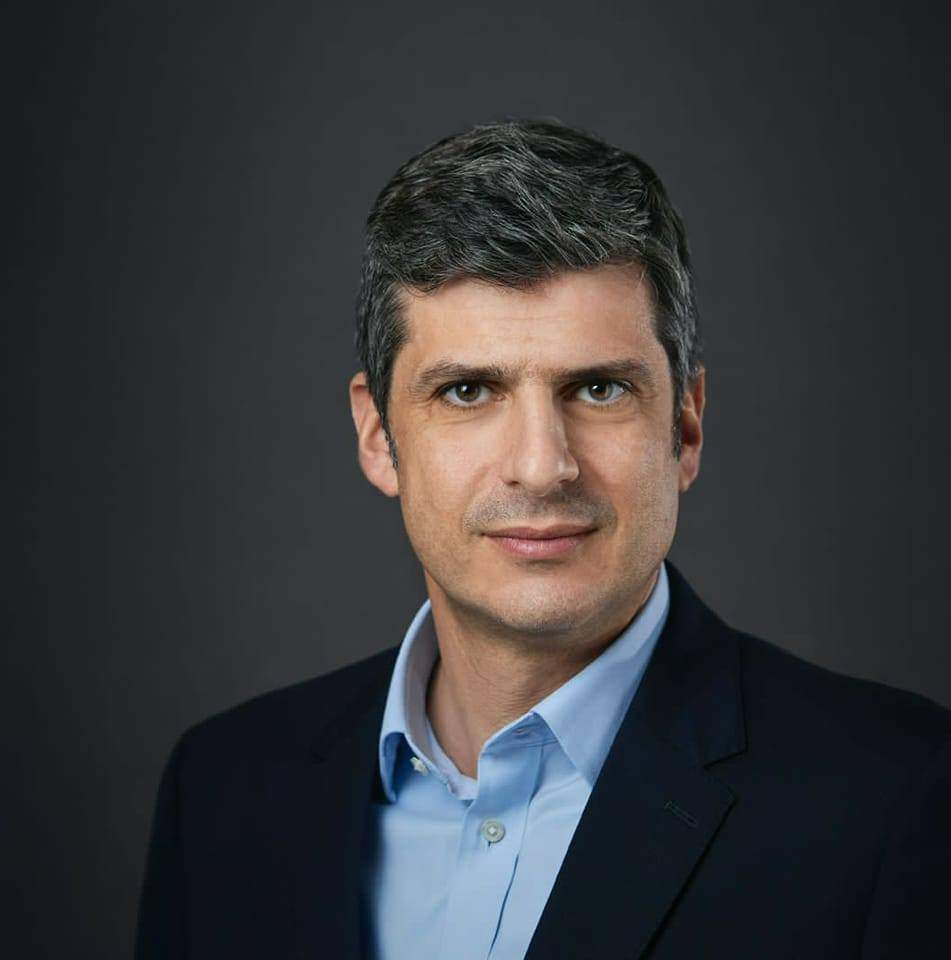
Giorgos Koukoumas insists that freedom of expression is constitutionally protected and non-negotiable. Legal limits focus on hate speech and incitement to violence. He argues that those in power tolerate neither and instead seek to curb criticism. He points to inaction against racist abuse online, while the Attorney General has proposed criminalising what he calls “undermining institutions”, meaning criticism of the prosecution service or government. Public figures, Koukoumas says, must accept stronger scrutiny. He cites the European Court of Human Rights in support of this principle.
He also points to common sense. When authorities fail to investigate named allegations of serious crimes, including abuse of minors, violence against women and corruption involving police officers or officials, public exposure through social media becomes the only remaining tool. Publicity, he says, forced the authorities to act on Annie Alexui’s claims. Instead of targeting the complainant, the state should explain why it failed to investigate earlier and why it still does not examine all her allegations. Limits on free expression exist, Koukoumas concludes, but they must never become an excuse to silence social or political criticism or to bury corruption.