


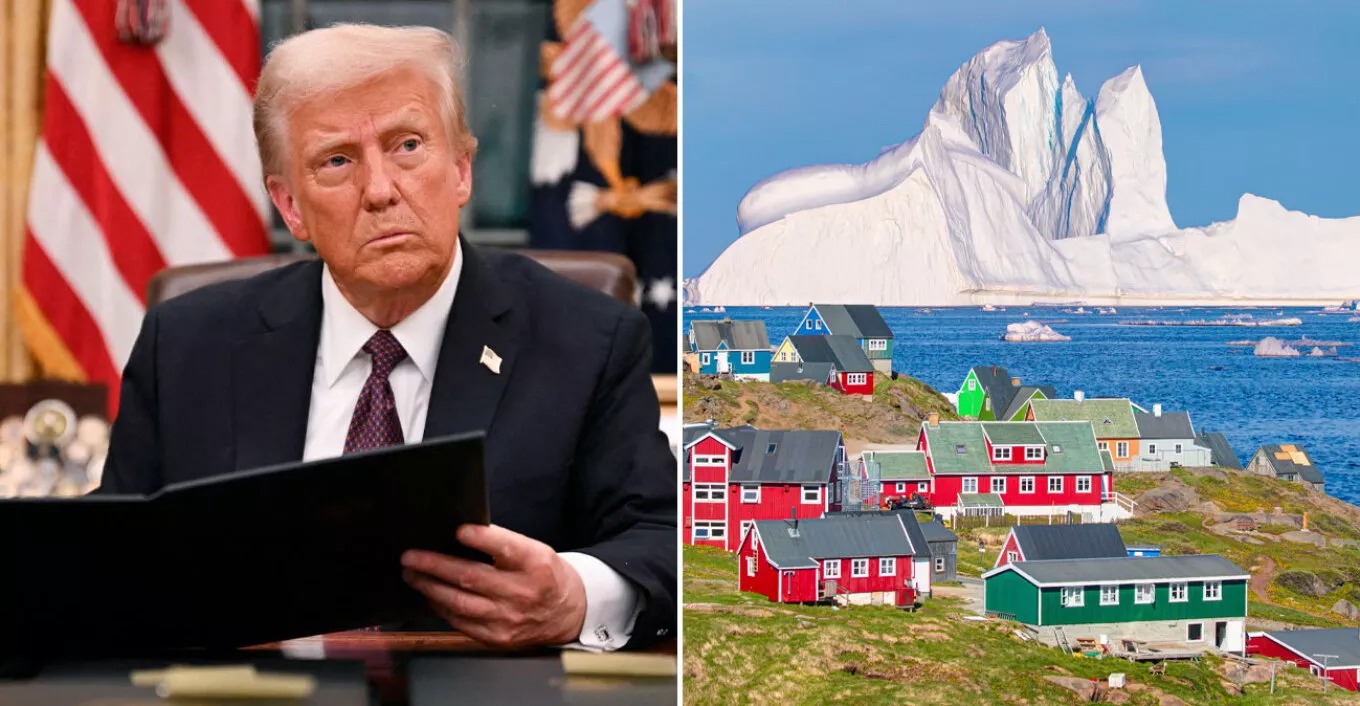
Donald Trump pulled back from weeks of threats against Greenland on Wednesday, announcing a vague framework deal after markets plunged and European leaders pushed back hard against his demands for the Arctic territory, according to a Guardian report.
The president told business leaders at the World Economic Forum he wanted Greenland, including right, title and ownership, but dropped his threats of military action.
Hours later on social media, he announced a framework of a future deal and scrapped tariff threats against eight European countries. Speaking to CNBC after markets closed, he called it a concept of a deal.
Danish Foreign Minister Lars Løkke Rasmussen welcomed the shift. The day ended better than it started, he said, adding that officials should now address US Arctic security concerns whilst respecting Denmark’s red lines.
Italian Prime Minister Giorgia Meloni also welcomed the move, but NATO chief Mark Rutte, who negotiated Wednesday’s deal, cautioned that a lot of work remained.
Fox News asked Rutte whether Greenland would stay in the Kingdom of Denmark under the deal. The issue hadn’t come up, Rutte said, offering few details. A NATO spokesperson later said Rutte never proposed any compromise on Greenland’s sovereignty.
Trump gave few specifics but said talks continue on a US missile defence shield partly based in Greenland.
Danish MP Sascha Faxe attacked Greenland’s exclusion from the talks. It’s not real negotiations—it’s two men who had a conversation, she told Sky News. There can’t be a deal without Greenland at the table.
Media reports suggest the compromise would give the US sovereignty over small pockets where military bases sit—similar to UK bases in Cyprus, the Telegraph reported, citing unnamed officials.
The US already has extensive access under agreements going back decades, with options to expand by building bases and conducting military operations.
The framework would also let the US mine rare earth minerals without asking Denmark, according to the Telegraph.
Whether Denmark agreed to any of this remains unclear. Greenlandic MP Aaja Chemnitz Larsen said Wednesday night that NATO having any say over the territory’s sovereignty or minerals was completely out of the question.
Trump’s reasons for backing down are murky. After days of escalating tensions that triggered the worst transatlantic crisis in decades—with Canadian Prime Minister Mark Carney delivering a defence of the rules-based order on Tuesday—the president suddenly reversed course.
Sweden’s Foreign Minister Maria Stenergard said European pressure worked. The allies’ efforts had an effect, she said, adding they wouldn’t be blackmailed.
Dutch Prime Minister Dick Schoof called scrapping the tariffs a sign of de-escalation. Trump had threatened Denmark, Norway, Sweden, France, Germany, the UK, the Netherlands and Finland with 10% tariffs from 1 February over their opposition to his Greenland takeover bid.
Markets likely played a role. Trump’s hawkish comments Tuesday sparked a sharp US stock selloff. Global markets bounced Wednesday after he announced the framework and dropped the tariffs.
The market bounced when he said we wouldn’t use force, said Mark Hackett, chief market strategist at Nationwide in Boston. Financial analyst Matthew Smart said uncertainty just got priced out.
Trump has form on this. Last April, he backed down on his global trade war after markets tanked. The Financial Times dubbed it Taco—Trump Always Chickens Out.
US outlet Semafor reported Trump appeared frustrated by this week’s market slide and noted the huge risks of antagonising European allies.
Countries like the UK, Belgium and France hold trillions in US treasuries, Semafor reported. If they sell, interest rates could skyrocket.
In Greenland, residents dismissed Trump’s claims.
He’s lying, one man in Nuuk told AFP.
Care worker Anak agreed. Greenland belongs to the Greenlanders, she told the news agency.
(information from The Guardian)
Read more:

